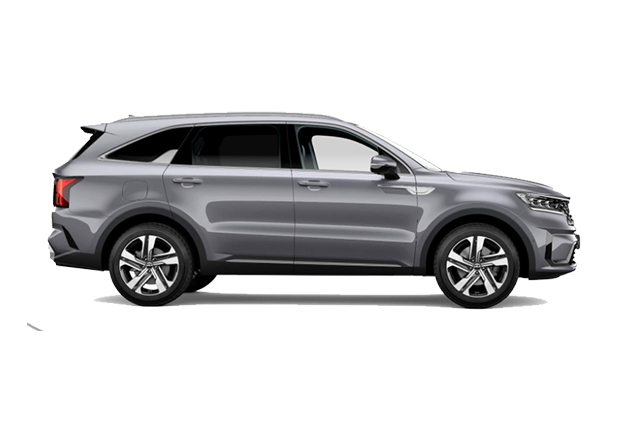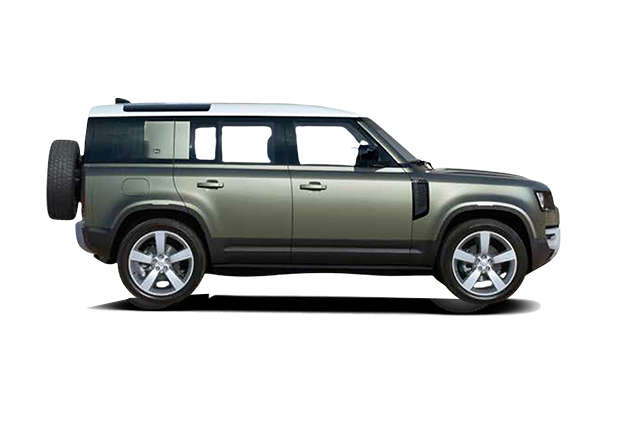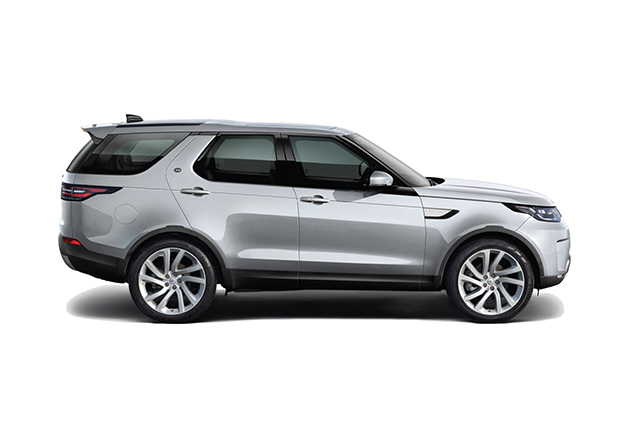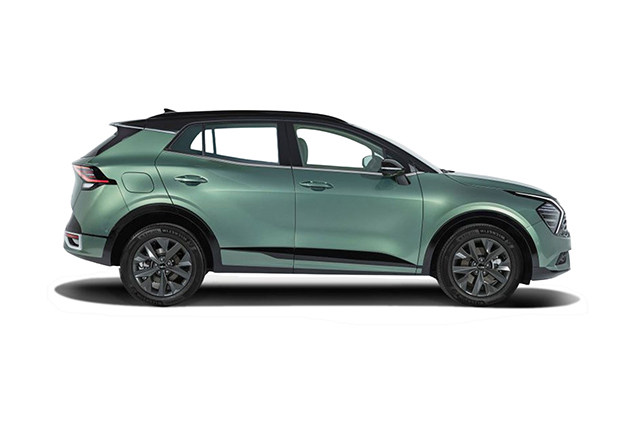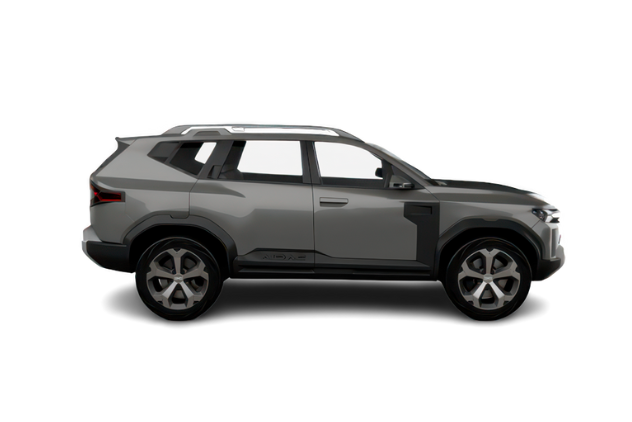
Dacia Bigster AWD
Manual | 4×4. A roomier step up from the Duster, with extra space for longer trips and budget Highland access.
Seats 5
Luggage 3 Large

Iceland’s weather follows a dramatic subarctic cycle, shifting from dark, snowy winters with frequent storms to mild, bright summers defined by the Midnight Sun. If you are planning a self-drive trip, the absolute best time to visit Iceland by rental car is between June and August for optimal road conditions and full highland access, or during the shoulder months of May and September for quieter routes and milder transitions. To ensure your safety and comfort, your choice of rental vehicle must match these monthly shifts. In this comprehensive guide, we analyze average temperatures, daylight availability, road safety considerations, and vehicle recommendations for every single month so you can plan your road trip with total confidence.
To help you plan your journey effectively, we have compiled a detailed overview of the meteorological conditions you will encounter throughout the year. This summary will help you understand the big picture before you dive deeper into the specific seasonal characteristics of our beautiful island.
| Month | Avg. Temperature (°C / °F) | Daylight Hours | Weather Conditions | Road Conditions | Recommended Car |
| January | -1°C to 1°C (30°F to 34°F) | 4 to 5 hours | Heavy snow, high winds, ice storms | Very challenging, snow-covered, icy | Studded-tire 4×4 SUV |
| February | -1°C to 2°C (30°F to 36°F) | 7 to 10 hours | Frequent snow showers, heavy wind | Challenging, icy, regular road closures | Studded-tire 4×4 SUV |
| March | 0°C to 3°C (32°F to 37°F) | 10 to 13 hours | Unpredictable snow, sleet, and rain | Slippery, slushy, active winter conditions | 4×4 SUV with winter tires |
| April | 2°C to 5°C (36°F to 41°F) | 13 to 16 hours | Mild showers, occasional late snow | Improving, mostly wet, some ice in North | Standard AWD or 4×4 vehicle |
| May | 5°C to 8°C (41°F to 46°F) | 16 to 20 hours | Crisp spring days, light rain, low wind | Clear Ring Road, highland roads closed | Standard sedan or compact SUV |
| June | 8°C to 11°C (46°F to 52°F) | 20 to 22 hours | Mild, bright, Midnight Sun, low rain | Excellent, F-roads begin to open late June | 2WD compact or 4×4 for Highlands |
| July | 10°C to 13°C (50°F to 55°F) | 18 to 21 hours | Warmest month, stable, sunny intervals | Excellent, all highland F-roads open | 2WD for Ring Road, 4×4 for Highlands |
| August | 9°C to 12°C (48°F to 54°F) | 15 to 18 hours | Mild, slight increase in rain and wind | Excellent, F-roads remain open | 2WD for Ring Road, 4×4 for Highlands |
| September | 6°C to 9°C (43°F to 48°F) | 12 to 14 hours | Cooler days, autumn colors, night aurora | Good, F-roads close, wet pavement | AWD crossover or robust 4×4 SUV |
| October | 3°C to 6°C (37°F to 43°F) | 9 to 11 hours | Rainy, windy, first winter snows | Slippery, icy mountain passes, wet leaves | 4×4 SUV with winter tires |
| November | 0°C to 3°C (32°F to 37°F) | 5 to 8 hours | Early winter conditions, cold winds | Challenging, frequent snow and black ice | Studded-tire 4×4 SUV |
| December | -1°C to 1°C (30°F to 34°F) | 4 to 5 hours | Dark, snowy, festive winter storms | Icy, snowy, unpredictable closures | Studded-tire 4×4 SUV |
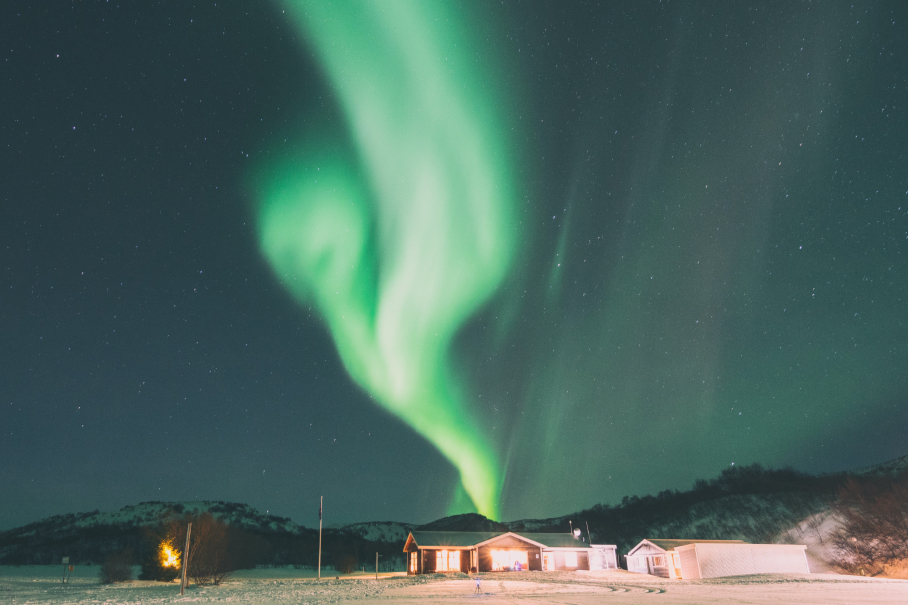
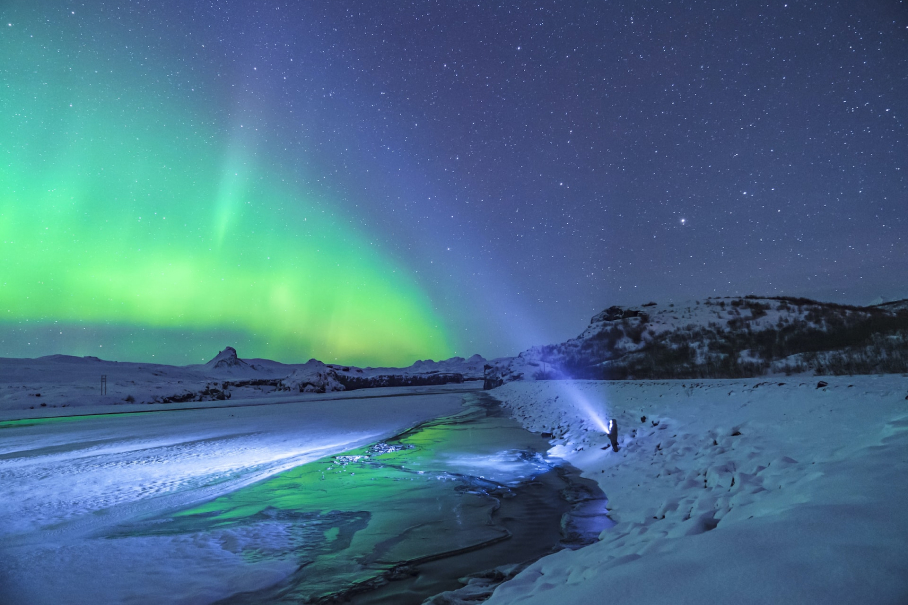
To determine the best time to visit Iceland due to the weather, you must first define your specific travel goals. No single month offers the perfect combination of all Icelandic attractions. Instead, the year divides into distinct travel seasons, each offering optimal conditions for different activities. If your primary goal involves witnessing the Aurora Borealis, you should prioritize the darker months from September to April. During this period, the subarctic sky becomes dark enough to show the green and purple solar particles. However, you must prepare for colder temperatures and potentially challenging driving conditions. To maximize your chances of clear skies and strong aurora displays, late September and March are highly favorable due to the equinox solar activity.
For travelers who wish to explore the interior of the island, planning around the Iceland climate by month is essential, as it restricts highland access to a narrow summer window. The high-altitude interior, home to Landmannalaugar and Þórsmörk, remains buried under snow until mid-to-late June. If you want to conquer these rugged landscapes, you must plan your self-drive trip for July or August. During these peak summer months, the government opens the F-roads, allowing robust four-wheel-drive vehicles to cross unbridged rivers and navigate rough gravel tracks. This is also the premier season for hiking, camping, and enjoying the lush, green landscapes of the countryside under the magical glow of the Midnight Sun.
If you prefer a quieter, more budget-friendly experience, you should look at the shoulder seasons of May and September. During these months, the general Iceland temperature by month remains relatively mild, yet you will encounter far fewer tourists at popular sights like the Golden Circle and the south coast waterfalls. In May, you can enjoy the long spring days as the snow melts, revealing blooming lupines and nesting puffins. In September, the autumn colors transform the valleys into shades of gold and red, and you might even catch the first Northern Lights of the season without the freezing temperatures of deep winter. To make the most of these transitional months, we recommend securing a reliable car rental in Iceland option, which provides the necessary traction for sudden, early-season snow flurries on mountain passes.
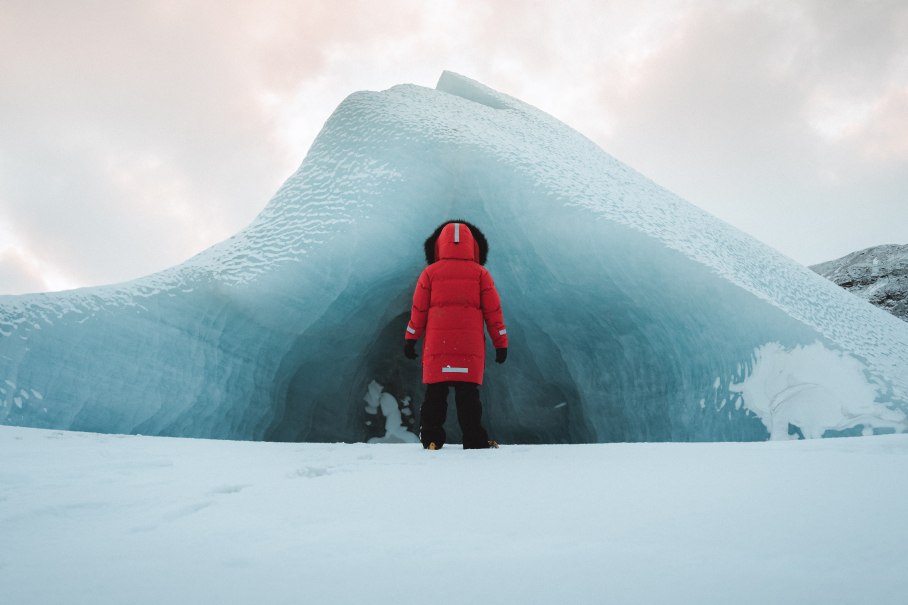
For those interested in exploring the unique ice caves within the Vatnajökull glacier, winter is the only viable option. The freezing temperatures from November to March stabilize these natural structures, making them safe for guided tours. You can book authorized glacier excursions directly through our TourDesk platform. Driving during these months requires a high level of concentration and experience. You will experience short days, but you will also get to see the Icelandic landscapes transformed into a snowy winter wonderland. If you plan to tackle these snowy conditions, you should familiarize yourself with the rules of driving in Iceland to ensure you navigate the icy roads safely and confidently.
Let us take a detailed journey through the calendar to analyze the Iceland weather by month, helping you understand the specific weather patterns, daylight variations, and driving considerations you will face throughout the year.
January represents the peak of the subarctic winter. Understanding how the Icelandic weather by month shifts is crucial, as it is at its coldest and most unpredictable during this time, with average temperatures hovering around -1°C to 1°C (30°F to 34°F). You will only experience 4 to 5 hours of daylight each day, with the sun rising around 11:00 AM and setting by 3:30 PM. Road conditions are consistently icy and snow-covered. Gale-force winds can blow snow across the asphalt, creating dangerous whiteout conditions. We strongly advise against long-distance driving unless you have significant experience with winter roads. You must drive a studded-tire 4×4 vehicle and remain highly flexible with your itinerary, as search and rescue teams frequently close roads during winter storms. Dedicating extra time to monitor daily travel alerts is a basic winter survival rule.
February behaves very similarly to January, but you will benefit from a noticeable increase in daylight, which expands to between 7 and 10 hours by the end of the month. Analyzing the Iceland temperature by month shows that it remains cold, averaging between -1°C and 2°C (30°F to 36°F). This combination of cold temperatures and longer days makes February one of the most popular winter months for tourists. You can enjoy winter activities like ice caving and Northern Lights hunting with more daylight hours for sightseeing. However, road conditions remain highly challenging. Heavy snowstorms and black ice are common, meaning you should still rent a heavy-duty 4×4 SUV with studded tires to maintain safety on the roads. The extra daylight simply gives you a wider safety margin to reach your accommodation before dark.
March ransition from winter to spring, though winter retains a strong grip on the island. The general Icelandic climate by month starts to soften slightly, with temperatures averaging 0°C to 3°C (32°F to 37°F). Daylight hours increase dramatically to 10–13 hours, giving you plenty of time for road trips along the south coast. The weather in March is notoriously fickle; you can experience sunshine, rain, sleet, and heavy snow all within a single afternoon. Road conditions vary from clear, wet asphalt to slush and packed ice. We highly recommend a 4×4 SUV for driving during this month, especially if you plan to travel beyond the capital region to the north or east, where snow accumulates heavily. This unpredictable behavior is why locals say that if you don’t like the weather, just wait five minutes.
April April brings the first real signs of spring to the Icelandic landscape. The average temperature rises to between 2°C and 5°C (36°F to 41°F), and the snow begins to melt rapidly in lowland areas. Daylight hours extend to an impressive 13 to 16 hours, providing ample time for exploring. While the Ring Road is generally clear of heavy snow, mountain passes in the East Fjords and North Iceland can still experience icy patches and sudden snow flurries. April represents a fantastic shoulder season to experience the country with fewer crowds, but you should still choose a standard AWD or 4×4 crossover to handle any late-season winter weather safely. It is a beautiful month of transition where you can witness the earth waking up from its winter sleep.
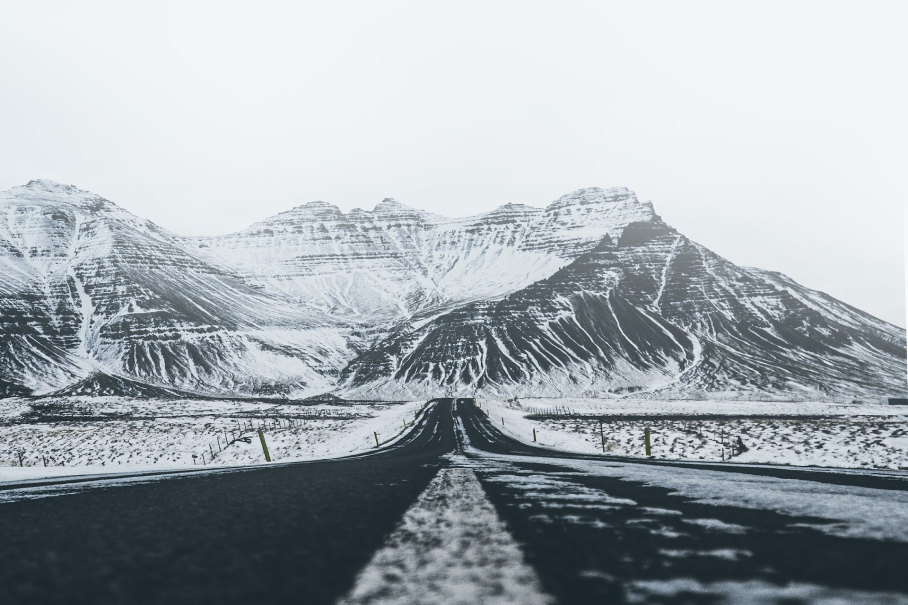
May is one of the driest and most beautiful months of the year in Iceland. The best time to visit Iceland often points to May for travelers who want to avoid both the winter snows and the summer crowds. Average temperatures range from 5°C to 8°C (41°F to 46°F), and daylight stretches to 16–20 hours. The landscape begins to turn green, and migratory birds, including the famous puffins, arrive on the coastal cliffs. Road conditions are excellent along the Ring Road, making 2WD compact cars and sedans perfectly suitable for coastal routes. However, please note that the highland F-roads remain strictly closed due to muddy conditions caused by melting snow. Attempting to access these areas early damages the fragile tracks and is strictly illegal
June is the month of the Midnight Sun, featuring 20 to 22 hours of bright daylight where the sun never truly sets. The local Iceland weather by month is delightfully mild, with average temperatures ranging from 8°C to 11°C (46°F to 52°F). Rainfall is generally low, and winds are calmer than in previous months. This is an exceptional time for a self-drive trip, as you can drive at midnight under a golden sky. The highland F-roads usually begin to open toward the end of June, depending on snowmelt. If you plan to explore these rugged interior routes as soon as they open, you must rent a robust 4×4 vehicle equipped for rough gravel and river crossings. This endless light completely removes the stress of rushing to your destination before nightfall.
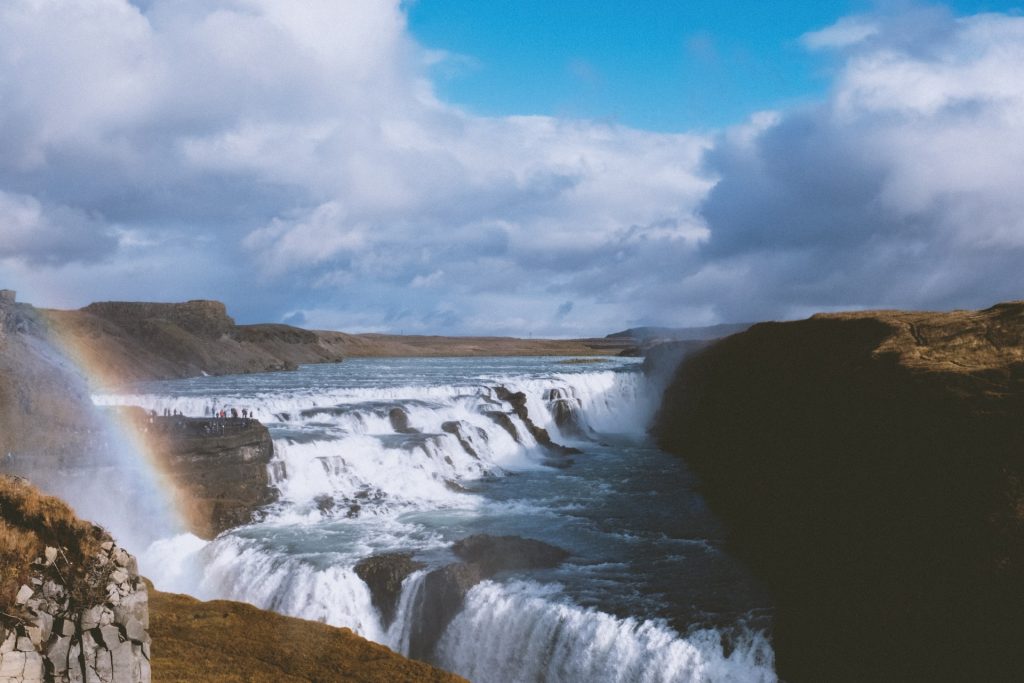
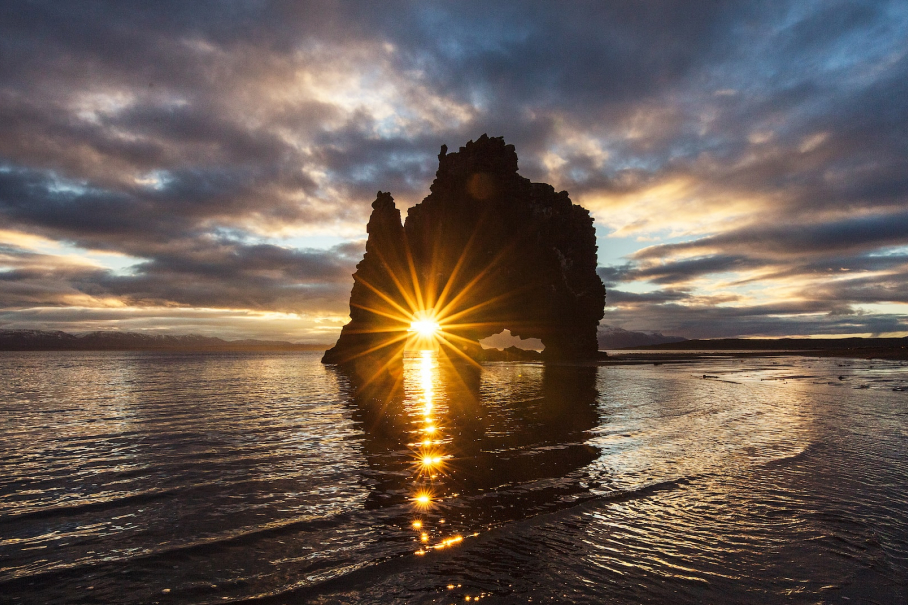
July stands as the warmest and most stable month of the year. The average Iceland temperature by month peaks between 10°C and 13°C (50°F to 55°F), though sunny days can easily push temperatures past 15°C (59°F). You will enjoy 18 to 21 hours of daylight, allowing for endless exploration. All highland roads are open, making this the prime month for visiting Landmannalaugar, Askja, and other remote interior sites. Road conditions are at their absolute best across the entire country. While a 2WD car is perfectly adequate for the paved Ring Road, we strongly advise renting a 4×4 SUV if you want to venture onto the unpaved gravel roads of the Highlands. July provides the absolute peak of freedom for explorers who want to see every corner of the island.
August continues the warm, stable conditions of high summer, with average temperatures ranging from 9°C to 12°C (48°F to 54°F). Daylight hours remain long, though they begin to decrease to 15–18 hours by the end of the month, bringing back dark night skies. This shift means you can occasionally see the first faint Northern Lights of the season late in the month. Driving conditions are excellent, and the Highlands remain fully accessible. August is a fantastic month for a comprehensive road trip around the entire island, including the Westfjords. Be sure to book your vehicle well in advance, as summer is the busiest travel season of the year. The slight return of twilight also marks the beginning of spectacular, long-lasting Arctic sunsets.

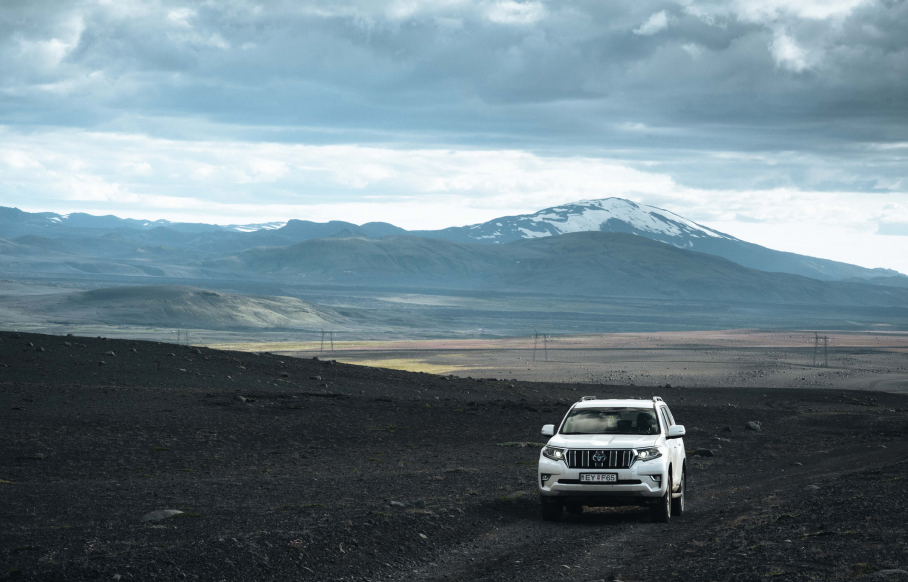
September ushers in the beautiful autumn season. The overall Icelandic climate by month begins to cool, with average temperatures dropping to 6°C to 9°C (43°F to 48°F). Daylight hours return to a balanced 12 to 14 hours, offering a normal day-and-night cycle. The autumn foliage paints the birch forests and lava fields in stunning warm tones. Road conditions remain generally good, though you can expect more frequent rain and wind. Highland F-roads typically close by mid-September due to early snowfalls in the mountains. We recommend an AWD crossover or 4×4 SUV for September driving, as mountain passes can experience sudden, temporary ice and sleet. It is the favorite month for photographers due to the golden hours of soft, perfect daylight.
October brings a dramatic shift as winter begins to reassert itself. Temperatures drop to 3°C to 6°C (37°F to 43°F), and wet, windy weather becomes the norm. Daylight decreases to 9–11 hours. October is a highly unpredictable month; you might enjoy a crisp, sunny autumn day or find yourself driving through a sudden blizzard. Mountain passes frequently freeze, and black ice becomes a daily hazard. The summer tourists have departed, making this a great time to hunt for the Northern Lights in relative peace. To ensure your safety, you should rent a 4×4 SUV equipped with winter tires to handle the rapidly changing road conditions. Flexibility is paramount during this month, as your daily itinerary will be entirely dictated by the morning weather report.
November marks the official start of winter. The deep Iceland weather by month turns properly cold, with temperatures averaging between 0°C to 3°C (32°F to 37°F). Daylight hours shrink rapidly to 5–8 hours, limiting your sightseeing window. Heavy snowfalls, strong winds, and icy roads are common across the country. Driving in November requires a sturdy 4×4 vehicle equipped with high-quality winter tires (and studded tires if you plan to travel outside the capital region). You must monitor weather and road conditions daily, keep your driving distances short, and maintain a flexible travel itinerary to accommodate potential road closures. This is also the opening season for exploring the spectacular, naturally formed glacier ice caves.
December is a magical, festive month, despite being the darkest time of the year. The average temperature ranges from -1°C to 1°C (30°F to 34°F), and you will only have 4 to 5 hours of daylight. The snow-covered landscapes and holiday lights in the towns create a fairytale atmosphere. However, driving conditions are at their most challenging. Roads are frequently covered in thick ice and packed snow, and powerful winter storms can roll in with little warning. If you choose to embark on a self-drive trip in December, you must rent a 4×4 SUV with studded tires, drive with extreme caution, and closely follow local safety advisories. The cozy reward of warming up in a local geothermal pool after a short day of winter exploring makes the darkness completely worth it.
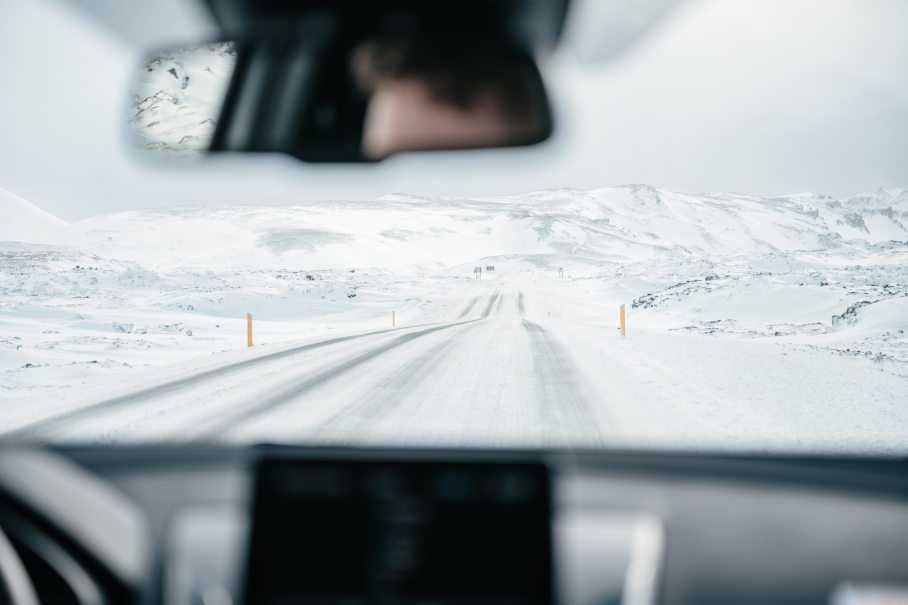
Selecting the right rental vehicle is the most critical decision you will make for your self-drive trip. Understanding the Iceland weather by month dictates which type of car is safe and practical for each season. To help you make an informed choice, let us break down our vehicle recommendations by season:
Manual | 4×4. A roomier step up from the Duster, with extra space for longer trips and budget Highland access.
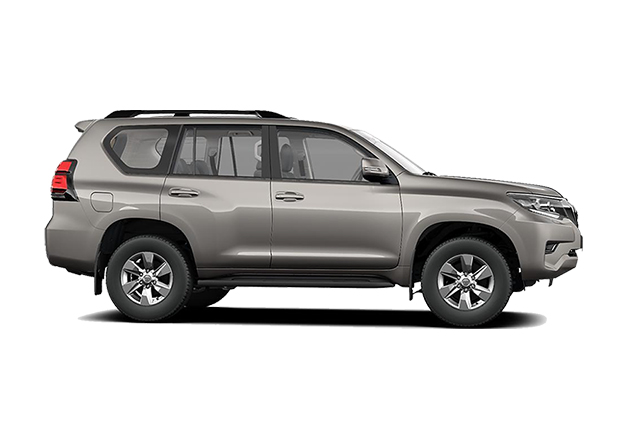
Automatic | 4×4. High ground clearance and strong suspension for full Ring Road comfort and tough terrain.
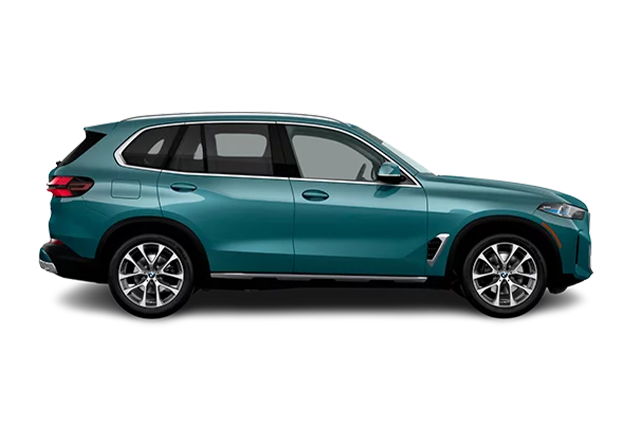
Long Range | Automatic | 4×4. Premium fully-electric AWD with extended range for quiet, smooth paved road touring.
*Fleet availability varies by season. F-road certification applies to designated models like the Land Cruiser and Bigster; EV 4x4s are strictly for paved/approved gravel routes.
Driving in Iceland is a thrilling experience, but it requires a high level of respect for the forces of nature. The local climate is notoriously volatile, and conditions can change dramatically within a matter of minutes. To ensure a safe and successful road trip, you should incorporate these practical safety tips into your daily travel routine:
We have compiled answers to some of the most frequently asked questions:
July is widely considered the best month to visit Iceland for good, stable weather. It is the warmest month of the year, with average temperatures ranging from 10°C to 13°C (50°F to 55°F). You will also enjoy nearly 21 hours of daylight and fully open roads.
January is the coldest month of the year in Iceland, with average temperatures hovering between -1°C and 1°C (30°F to 34°F). While these temperatures are milder than in many other subarctic destinations, the strong winds and damp ocean air can make it feel significantly colder. You must pack warm, windproof layers and prepare for snowy, icy driving conditions.
July stands as the warmest month of the year, closely followed by August. Temperatures during these peak summer months typically average 10°C to 13°C (50°F to 55°F), though exceptional sunny days can push the thermometer up to 20°C (68°F) in some sheltered valleys. This mild weather is ideal for hiking, camping, and exploring the outdoors.
Yes, your need for a 4×4 vehicle depends heavily on the month of your visit and your planned itinerary. From November to March, we strongly recommend a 4×4 SUV with winter tires to safely navigate snow, ice, and strong winds. During the summer (June to August), a 2WD car is sufficient for the paved Ring Road, but you must have a 4×4 vehicle if you plan to drive on any of the unpaved highland F-roads.
The best time for an extensive road trip is during the summer months of June, July, and August. These months offer the longest daylight hours, the most stable weather, and completely open roads, allowing you to easily complete the full Ring Road circuit, explore the Westfjords, or venture into the Highlands. If you prefer to avoid the summer crowds, May and September are also fantastic, milder shoulder months for a scenic drive.