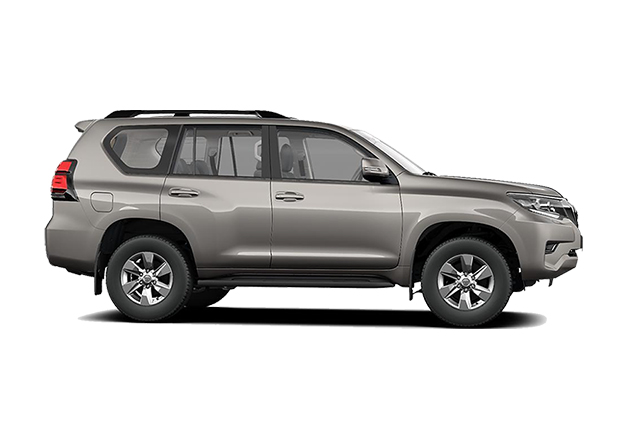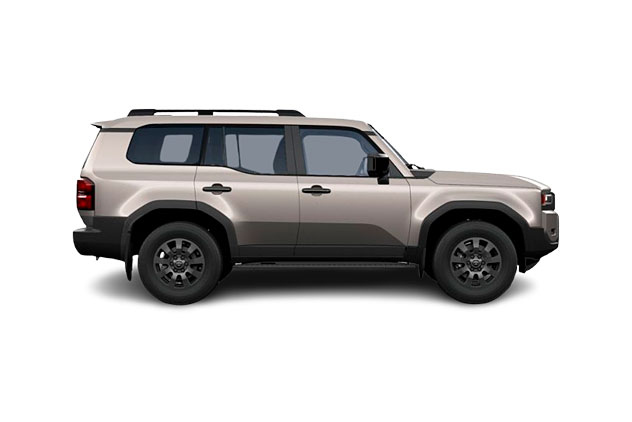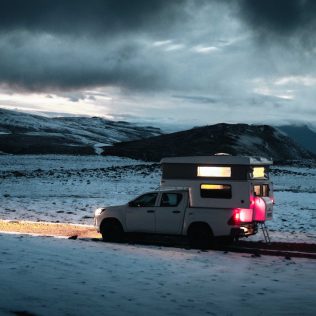
If you’re researching a 4×4 camper rental in Iceland, you’re probably not just looking for a vehicle. You’re trying to figure out what kind of trip you want to have. Are you planning a simple summer Ring Road loop? Or are you picturing yourself driving into the Highlands, parking near a geothermal valley, and waking up miles from the nearest tour bus? The answer to whether you need a 4×4 camper depends entirely on that vision.
This guide breaks down when a 4WD camper is necessary, where it gives you real advantages, which destinations require it, and which camper setup makes the most sense for your route.
Table of Contents
- Why Rent a Camper in Iceland?
- Do You Actually Need a 4×4 Camper?
- The Best Times to Rent a 4WD Camper
- Top Places to Visit with a 4×4 Camper
- How to Choose the Right Option
- 4X4 Camper Safety Tips
- 7–10 Day Iceland 4×4 Camper Itinerary
- Additional Resources
- Frequently Asked Questions
Why Rent a Camper in Iceland?
Iceland is not designed for static travel. Distances between towns are long, the Icelandic weather shifts quickly, and the light changes dramatically throughout the day. One unexpected waterfall stop can turn into a two-hour detour. With a camper, your itinerary becomes flexible. You’re not tied to hotel check-in times. You can stay closer to hiking trails. You can adjust your route based on wind forecasts or road closures. In peak summer, when hotel prices surge, a camper also keeps accommodation costs more predictable. But while a camper itself is incredibly practical in Iceland, not every camper is suited for every route. That’s where 4WD comes in.
Do You Actually Need a 4×4 Camper in Iceland?
Not every traveler in Iceland needs a 4×4 camper. If you’re visiting in peak summer and sticking strictly to the paved Ring Road, stopping at major highlights like Skógafoss or Jökulsárlón, a 2WD camper can work. But that’s a fairly narrow version of the trip. Iceland’s landscape quickly changes once you move beyond the main highway. Gravel roads are common, even near popular areas. Access roads to viewpoints, trailheads, and smaller campsites are often uneven or loosely surfaced. In dry summer weather, these are manageable. Add wind, rain, or shoulder-season conditions, and they require more attention.
A 4×4 camper becomes necessary if:
- You plan to drive F-roads, which legally require 4WD vehicles.
- You want to explore the Highlands.
- You’re traveling outside peak summer, when snow, ice, or heavy rain can affect road conditions.
Even on paved routes, Iceland’s weather introduces variables that many first-time visitors underestimate. Strong crosswinds can affect high-sided vehicles, sudden rain can loosen gravel and early autumn frost can make rural stretches slick in the morning. A 4WD camper gives you flexibility because you don’t have to second-guess whether a detour is suitable or have to turn around when you hit a gravel patch. Plus, a 4X4 gives you access to the Icelandic Highlands.
The Best Times to Rent a 4WD Camper in Iceland
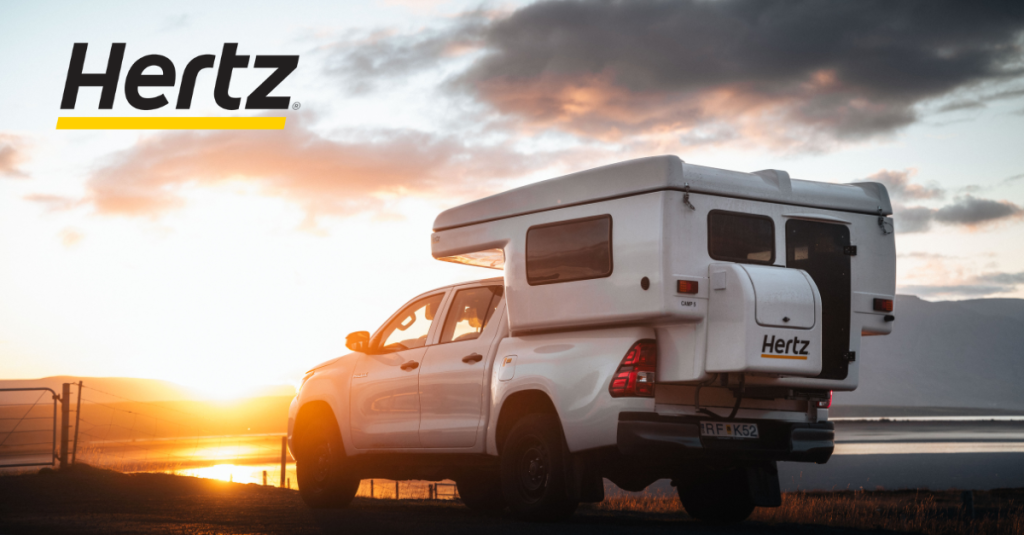
Summer in Iceland is widely considered the best time to visit Iceland if you’re planning to camp. From late June through early September, most roads are open, including the F-roads that lead into the Highlands. Campsites operate nationwide, river crossings are more manageable, and long daylight hours make interior travel easier. If exploring the Highlands is part of your plan, summer is the only season when that’s realistically possible with a rental vehicle.
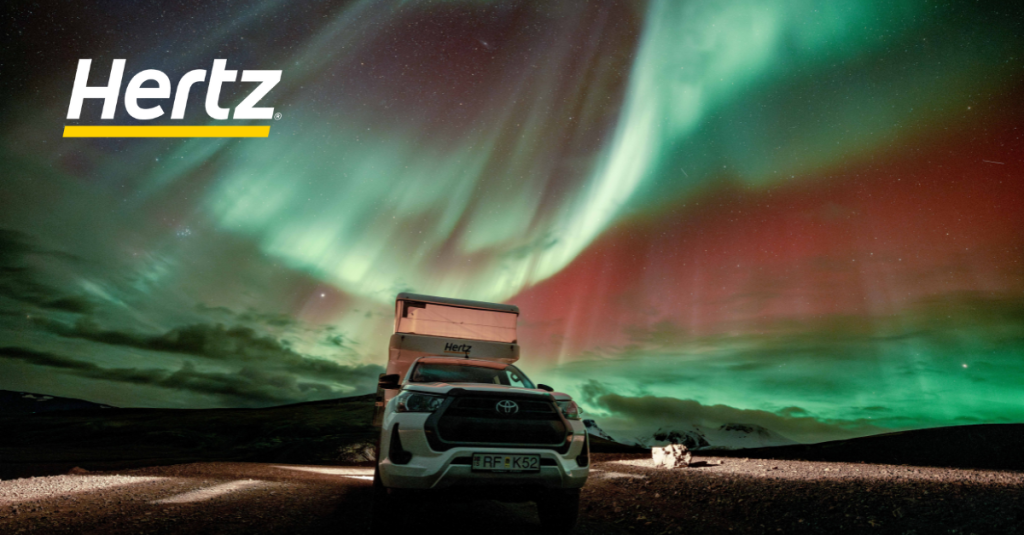
In winter in Iceland, all F-roads are closed, but a 4×4 camper still offers clear advantages. Snow, ice, and strong winds can affect even the main roads, and added traction improves stability in changing conditions. A heated camper is essential during colder months, and advance campsite planning becomes more important, as many close outside peak season.
If your route includes the Highlands, summer is the right time for a 4WD camper. If you’re traveling in winter or shoulder season, 4×4 adds confidence when road conditions are less predictable.
Best Places to Visit in Iceland with a 4×4 Camper
A 4×4 camper rental in Iceland gives you the opportunity to experience some of the country’s most incredible destinations. Here are some of the top places to visit with a 4×4 camper.
Landmannalaugar
Landmannalaugar is one of Iceland’s most extraordinary regions. The mountains are streaked with reds, oranges, and greens, with steam rising from geothermal vents. Natural hot springs sit beside lava fields. Getting there requires F-road access, and depending on your approach, you may encounter river crossings and uneven terrain. With a 4×4 camper, you can spend the entire day hiking the Laugavegur trail network, soak in the geothermal pool at sunset, and camp nearby without driving back to the South Coast.
Askja
Askja lies deep in the central Highlands. The drive itself is part of the adventure, crossing the vast volcanic plains before reaching a dramatic caldera with a striking blue crater lake. This is one of the most remote destinations accessible by road in Iceland. The services in this area are minimal, and road conditions vary, so you need a 4×4 camper, or Askja simply isn’t on the table.
Kjölur Route and Kerlingarfjöll
The F35, also known as the Kjölur Route, cuts through the interior between north and south Iceland. Along the way, you’ll pass geothermal areas like Hveravellir and reach the steaming hills of Kerlingarfjöll. This is one of the more accessible Highland drives, but still restricted to 4WD vehicles. Driving it in a 4×4 camper allows you to slow down, stop frequently, and camp in designated Highland sites without needing to retrace your route.
Thórsmörk Valley
Thórsmörk is a paradise for hikers, surrounded by glaciers and steep ridgelines. Access involves rough Highland roads and river crossings. Even among 4WD vehicles, route choice matters. A 4×4 camper allows you to use Thórsmörk as a base for multi-day exploration instead of a quick in-and-out visit.
Choosing the Right 4×4 Camper for Your Route
Not all 4×4 camper rentals in Iceland are built for the same type of travel. Your choice depends on how remote you plan to go and how much interior comfort you want.
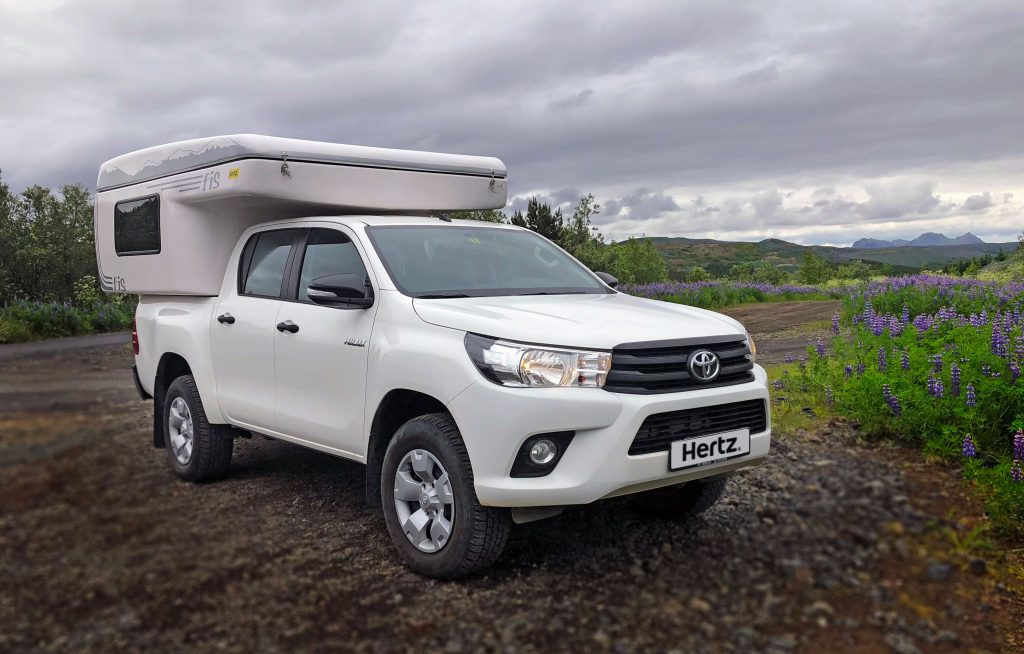
Toyota Hilux 4WD Camper
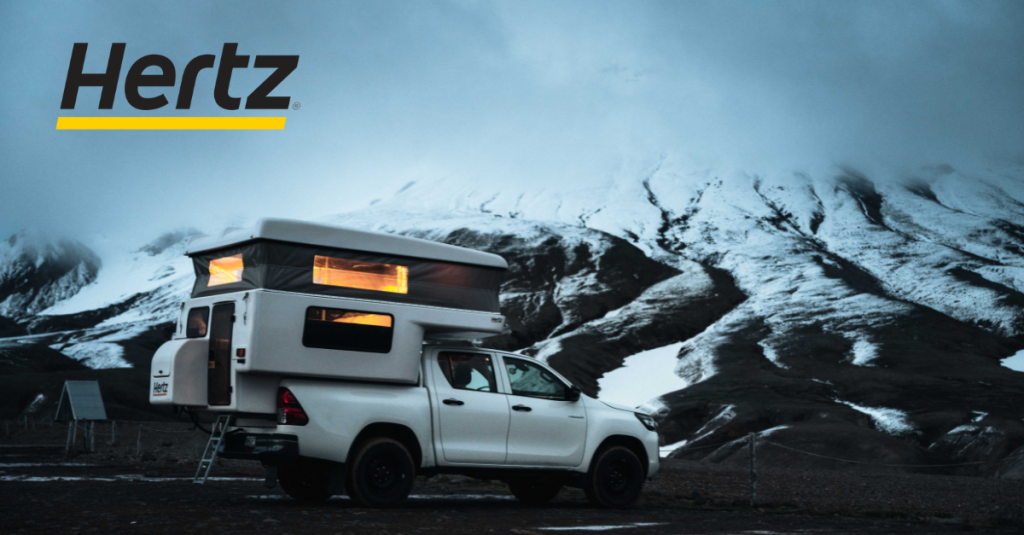
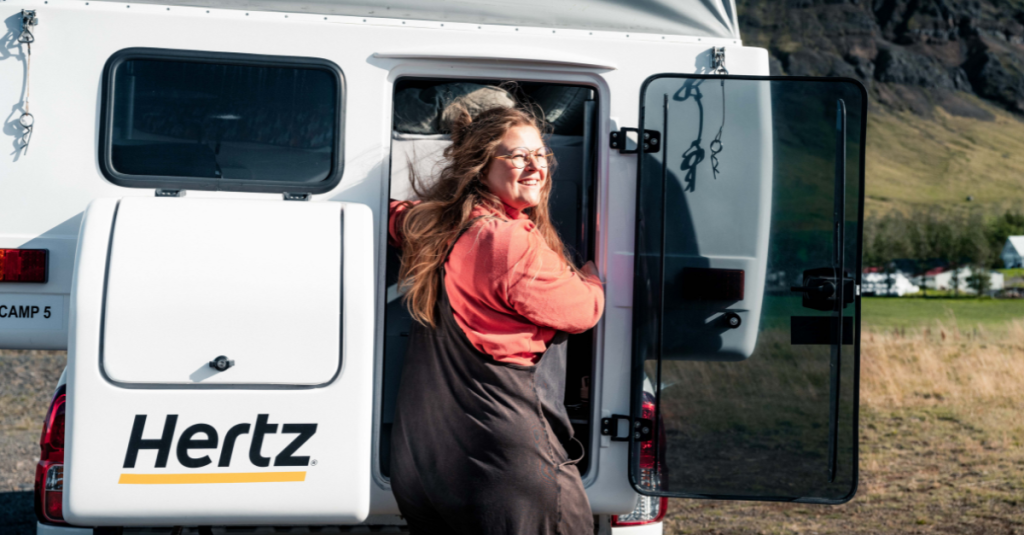
The Toyota Hilux Camper is the more robust Highland option. It’s designed for Iceland’s rugged terrain and F-roads when they are open. It offers an enclosed sleeping area, powerful heating, a double bed in lift-up storage, a foldable table that converts into a second bed, and a built-in water and refrigeration system.
If you’re planning multi-day stays in the Highlands or want stronger insulation against unpredictable weather, the Hilux is the more comfortable and capable choice.
Find more information here.
Dacia Duster 4×4 with Rooftop Tent
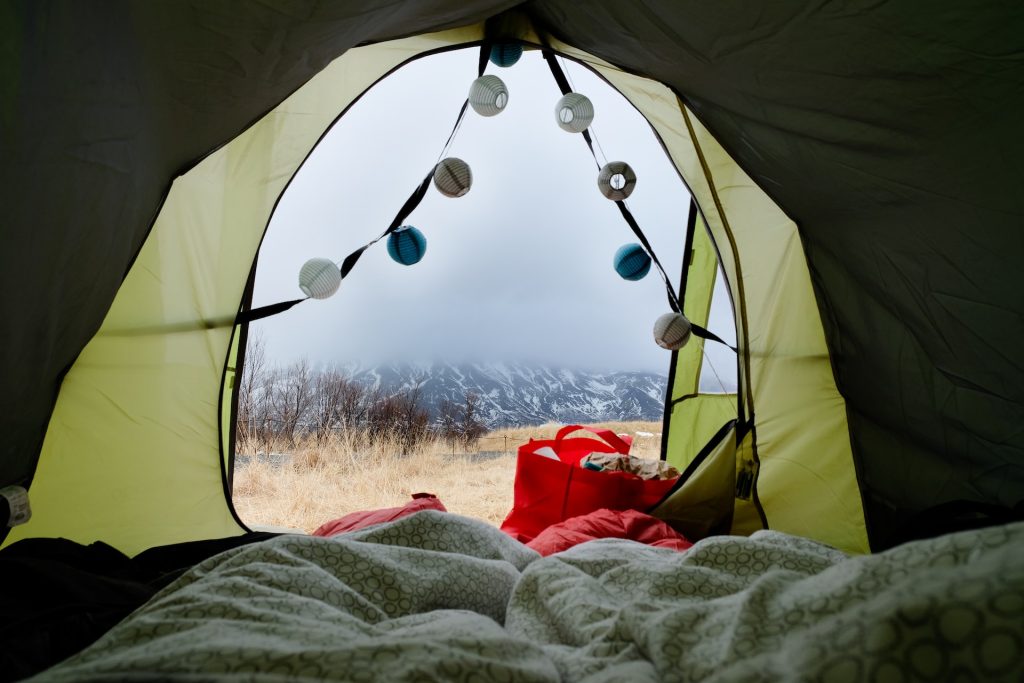
The Dacia Duster Camping setup is a lighter, more budget-conscious option. It combines a Highland-authorized 4WD SUV with a rooftop tent. It’s ideal for summer travelers who want F-road access without the size and cost of a larger camper. The manual transmission provides better control on steep gravel slopes, and the rooftop tent keeps the luggage area free for gear.
However, it is not suitable for deep river crossings, so careful route planning is important. For summer Highland travel on routes like F35 or certain approaches to Landmannalaugar, it offers an excellent balance of mobility and affordability.
Find more information here.
Navigating Iceland’s Roads: Tips for a Safe Journey
Driving in Iceland requires preparation, regardless of vehicle type. Even though a 4×4 improves traction and access, it doesn’t remove the need for caution. Before heading out each day:
- Check road conditions at road.is
- Review weather forecasts at vedur.is
- Pay attention to wind warnings
When driving:
- Reduce speed on gravel roads
- Approach river crossings cautiously
- Never drive off-road
- Be mindful of strong crosswinds when opening doors
Where Can You Legally Stay Overnight in a Camper in Iceland?
Wild camping with motorized vehicles is illegal in Iceland. You must stay at designated campsites. There are approximately 170 registered campsites across the country, including Highland sites that operate in summer.
These sites are also much more affordable than hotels or Airbnbs, with the cost varying based on the time of year. They typically range from 1,500 ISK to 4,000 ISK (about 12 to 30 USD) per night, and you might even be lucky enough to find some free of charge with the landowner’s permission.
Check out our in-depth Camping in Iceland guide for everything you need to know.
7–10 Day Iceland 4×4 Camper Itinerary (Sample)
This route assumes summer travel (late June–early September) when F-roads are open. It’s designed specifically for travelers renting a 4×4 camper in Iceland who want to combine classic highlights with interior access.
Day 1: Arrival in Reykjavík and Golden Circle
After picking up your 4×4 camper near Reykjavík, begin with the Golden Circle. Visit Thingvellir National Park, Gullfoss, Geysir geothermal area. Spend the night at a campsite near Selfoss or Flúðir. This keeps you positioned well for Highland access in the following days.
Day 2–3: Landmannalaugar via F-Road
Drive into the Highlands toward Landmannalaugar via F-roads. This is where your 4×4 capability matters. The drive includes rough gravel and potential shallow river crossings depending on your chosen route.
Spend one or two nights at the Landmannalaugar campsite. Hike shorter loops or sections of the Laugavegur trail. Soak in the natural hot spring at sunset.
Day 4: South Coast Highlights
Exit the Highlands and rejoin the South Coast. Visit Skógafoss, Seljalandsfoss, Reynisfjara black sand beach. Camp near Vík or Skaftafell.
Day 5: Jökulsárlón and Eastward Drive
Drive to Jökulsárlón and Diamond Beach. Continue east toward the quieter Eastfjords. Gravel stretches are common in this region. A 4×4 offers added stability and confidence. Camp in a fjord-side campsite for a quieter overnight experience.
Day 6–7: Northbound via Kjölur (F35)
Instead of completing the full Ring Road, take the interior F35 (Kjölur Route) back toward the north. Stop at Hveravellir and Kerlingarfjöll. Spend a night at a Highland campsite before continuing north.
Day 8: North Iceland
Explore around Lake Mývatn, visit geothermal areas, and detour toward Dettifoss. Certain access roads here include gravel sections where 4WD adds confidence. Camp near Akureyri or Mývatn.
Day 9–10: Snæfellsnes Peninsula
Return south via the west and explore the Snæfellsnes Peninsula. Visit Kirkjufell and Snæfellsjökull National Park. Finish near Reykjavík and prepare for departure.
Additional Resources to Plan Your Icelandic Camping Trip
Planning a camper trip in Iceland becomes much easier once you understand how campsites and overnight parking work. Not all campsites operate year-round, so it’s important to check which ones are officially registered and when they open during the season. Our campsite directory provides an overview of camping options across the country, helping you plan where to stop each night along your route.
Parking is another detail worth preparing for in advance. Even in designated areas, finding suitable places to park a camper can sometimes be confusing. Our parking guide explains where campervans are allowed and offers practical tips for parking safely while you explore nearby attractions.
If you’re still building your itinerary, you can also browse our guides to Icelandic activities and day-by-day road trip itineraries. These resources highlight both famous landmarks and lesser-known locations around the country, making it easier to plan a route that balances the must-see sights with quieter, off-the-beaten-path stops.
FAQs
-
- Is it safe to drive a 4×4 camper in Iceland?
Yes, provided you check daily road and weather conditions, reduce speed on gravel, and avoid unsafe river crossings. A 4×4 improves traction but does not eliminate risk.
- Is it safe to drive a 4×4 camper in Iceland?
-
- Can you sleep anywhere in a 4×4 camper in Iceland?
No. Wild camping with motorized vehicles is illegal. You must stay at designated campsites across Iceland.
- Can you sleep anywhere in a 4×4 camper in Iceland?
-
- What is the best time to rent a 4×4 camper in Iceland?
The best time to rent a 4×4 camper in Iceland is between late June and early September when F-roads are open and the Highlands are accessible. During winter, F-roads close, but a 4×4 camper can still provide better traction and stability when driving on icy or snowy roads.
- What is the best time to rent a 4×4 camper in Iceland?
-
- Are 4×4 camper rentals good for winter travel in Iceland?
Yes, a properly equipped 4×4 camper with heating and winter tires can be suitable for winter travel. However, winter driving in Iceland requires caution due to snow, ice, and strong winds. Route planning is essential, and some campsites close during winter months.
- Are 4×4 camper rentals good for winter travel in Iceland?
-
- Can you go camping in Iceland in winter?
Winter camping is possible but only for experienced campers with proper gear. Many campsites close for the season, and extreme cold can be challenging.
- Can you go camping in Iceland in winter?
-
- Can you drive F-roads with a campervan in Iceland?
Yes, but only if the campervan is a 4WD vehicle and the F-roads are officially open. Driving F-roads in a 2WD vehicle is illegal and unsafe.
- Can you drive F-roads with a campervan in Iceland?
-
- Do you need a 4×4 camper in Iceland?
You don’t always need a 4×4 camper in Iceland, but it becomes necessary if you plan to drive F-roads or visit the Highlands. F-roads are mountain roads that legally require four-wheel-drive vehicles. If your trip is limited to the Ring Road during summer, a 2WD camper can work, but a 4×4 offers more flexibility on gravel roads and in changing weather conditions.
- Do you need a 4×4 camper in Iceland?
Choose the Right 4×4 Camper from Hertz Iceland
A 4×4 camper rental in Iceland is about unlocking the kind of trip you want to take. If your plans include the Highlands, F-roads, and remote landscapes far from the main highway, having a capable vehicle gives you the access and confidence to explore beyond the standard routes.
Starting your trip should be simple. Picking up your camper near the airport allows you to get on the road quickly, and unlimited mileage means you can follow your itinerary without worrying about distance limits. Whether you’re driving the Ring Road or heading into Iceland’s interior, the flexibility to explore freely makes a difference.
Hertz Iceland has been operating locally since 1971, with vehicles maintained specifically for Icelandic conditions. With reliable 4×4 camper options available year-round, proper heating for colder months, and decades of local experience, you can travel knowing your vehicle is prepared for the journey.
Once your route is mapped out, booking your 4×4 camper in advance ensures you have the right setup for your itinerary, leaving you free to focus on the landscapes, the road ahead, and the experience of exploring Iceland on your own terms.