North Iceland has some of the most unique scenery in the country and deserves far more attention than it gets. If you want geothermal areas, whale watching, quiet fjords, and small villages, this is where to find them.
This guide breaks down the top North Iceland attractions, things to see in Northern Iceland, what to do in Northern Iceland, and how to plan your trip around the main routes. You will also find advice on where to stay, where to eat, what to pack, and how to explore the region safely with help from the Hertz Iceland team, which has been supporting travelers since 1971.
Table of Contents
- North Iceland Attractions & Driving Routes
- Other Things to Do in North Iceland
- Best Time to Visit
- What to Pack
- How to Get to North Iceland
- The Best Things to Do
- Top Natural Attractions
- Where to Stay in North Iceland
- Where to Eat in North Iceland
- FAQs About North Iceland
Is North Iceland Worth Visiting?
Many travelers wonder if North Iceland is worth the time, especially if they already plan to visit South Iceland. The answer is yes. North Iceland offers a quieter, more immersive experience with dramatic fjords, volcanic landscapes, small fishing villages, and incredible wildlife. It is calmer, more spacious, and often more rewarding for travelers who want nature without the heavy crowds.
North Iceland Attractions & Driving Routes
North Iceland has three major attraction areas that showcase the region’s natural beauty and cultural richness: the Diamond Circle, the Myvatn Lake area, and the Arctic Coast Way.
Diamond Circle
The Diamond Circle is a two to three-day journey that introduces visitors to some of the region’s most prominent attractions. Starting with Húsavík, hailed as the “whale-watching capital of Iceland,” travelers can embark on year-round whale-watching tours to encounter humpback whales, minke whales, and blue whales in their natural habitat. Ásbyrgi Canyon is also a top feature on this route, a horseshoe-shaped glacial canyon with towering cliffs and many hiking trails.
Meanwhile, Dettifoss, one of Europe’s most powerful waterfalls, showcases the raw power of nature, with its water cascading into the Jökulsárgljúfur canyon. Lastly, Hljóðaklettar, or “Whispering Rocks,” features basalt column-like formations, which are named for the whispers that hikers hear in the area, created by echoes from the rocks and caves.
Myvatn Lake Area
The Myvatn Lake area is a geothermal and volcanic region located approximately 480 kilometers (298 miles) from Reykjavik. This accessible and rewarding excursion offers a blend of natural phenomena and serene landscapes, featuring the beautiful Lake Myvatn, which was formed by a volcano eruption thousands of years ago. Best of all, this area is very easy to access all year round as it’s located right off the Route 1 Ring Road.
In the area, you’ll find Myvatn Nature Baths with warm, mineral-rich waters against the backdrop of Lake Myvatn, along with volcanic craters and natural lava formations that visitors can hike through. We’d recommend travelers to spend at least a full day at the minimum in this area, especially if you want to spend some time at the baths. The entire area is steeped in local folklore, as it was believed to be the dwelling of Icelandic trolls.
Arctic Coast Way
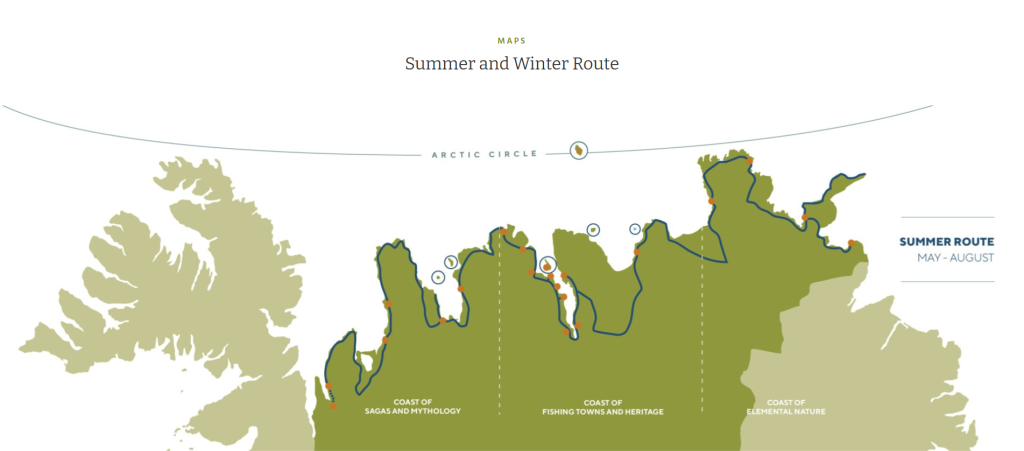
Map via Arctic Coast Way Iceland website
The Arctic Coast Way is a relatively new addition to Iceland’s collection of tourism routes and is often called the Golden Circle of the North. This route presents travelers with a chance to explore the remote coastal landscapes, charming fishing villages, and authentic Icelandic culture of North Iceland.
If you want to take this route, you’ll need to prep in advance because the area is quite remote, and we highly recommend a 4X4 rental car to drive through the North Fjord area, regardless of what time of year you visit.
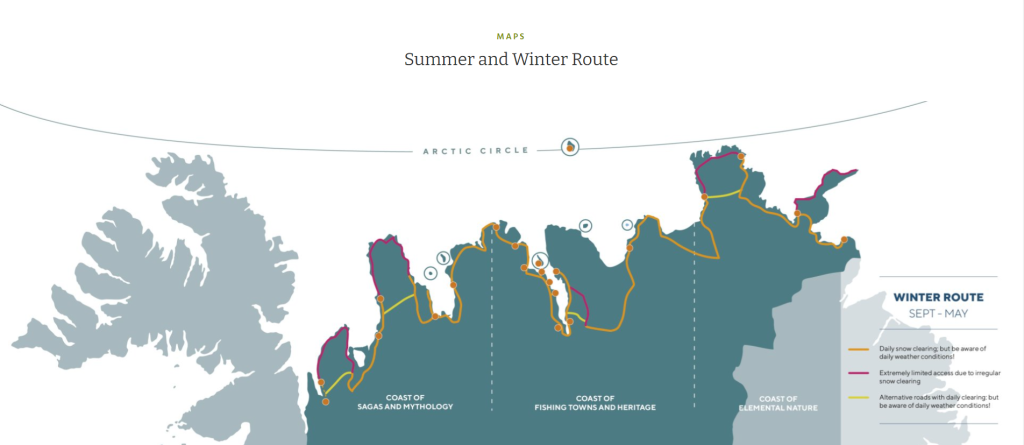
The route is about 900 kilometers (560 miles) in total, and it can take anywhere between 3 and 12 days, depending on how much of the route you want to do. On the route, you’ll find 21 villages, 13 beaches, and six islands, along with many highlights along the way.
Vatnsnes peninsula is a great place to spot seals, and don’t miss Hvitserkur, the huge basalt rock stack that has the nickname “Troll of Northwest Iceland” because of its shape. It is located in Hunafloi Bay.
Other Things to Do in North Iceland
North Iceland is full of smaller towns, remote islands, and hidden natural sights that many travelers overlook. These places often end up being highlights for visitors who want a deeper and quieter experience.
Siglufjörður
A fjord town famous for its fishing history, colorful houses, dramatic mountain backdrop, and the award-winning Herring Era Museum. The coastal drive to Siglufjörður is one of the most scenic routes in the country.
Eyjafjörður
The longest fjord in Iceland and home to Akureyri. The surrounding villages, oceanside hot tubs at Hauganes, and the fjord’s calm water make it ideal for wildlife watching.
Grímsey Island
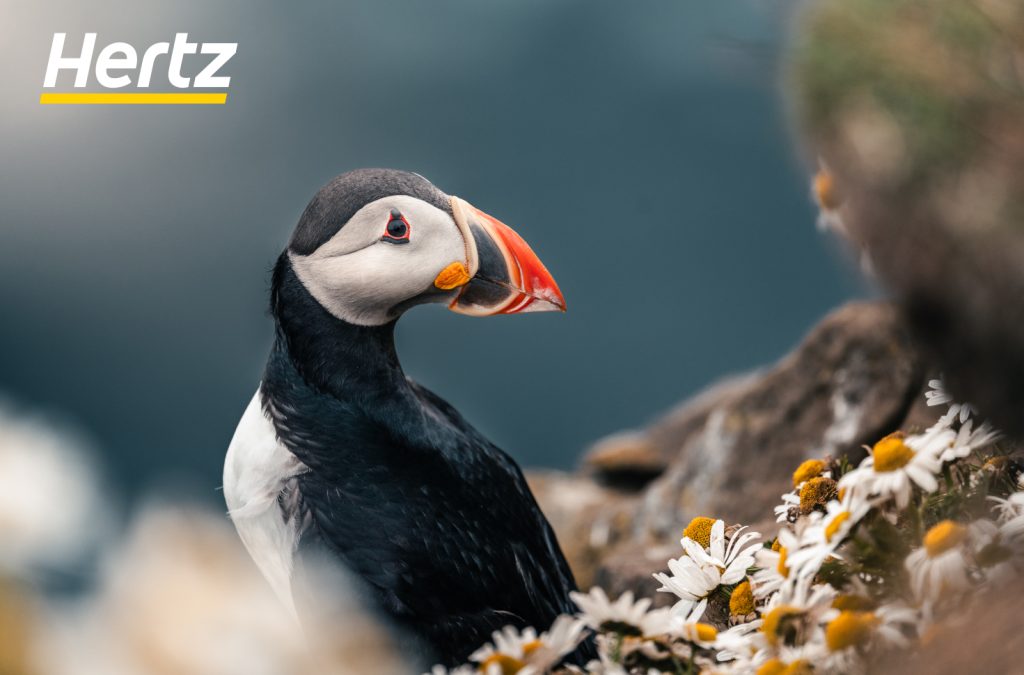
Located right on the Arctic Circle and known for Iceland puffins, hiking trails, and peaceful scenery. Accessible by ferry from Dalvík or by flight from Akureyri.
Hrísey Island
A quiet island in Eyjafjörður known for birdlife, coastal walks, and views of the surrounding mountains.
Hofsós Infinity Pool
A local favorite and one of the most photographed pools in Iceland, overlooking Skagafjörður.
Kolugjúfur Canyon
A deep canyon featuring a series of waterfalls plunging over jagged basalt rocks. Easy to reach and often missed by visitors.
What is the Best Time to Visit North Iceland?
The best time to visit North Iceland is summer, from late May to early September. These months bring long daylight hours, mild temperatures, open hiking trails, and easier driving conditions. The Midnight Sun gives you extra time to explore, and most tours and services operate on full schedules.
North Iceland is still a year-round destination, but each season feels completely different. Winter offers quiet roads, lower prices, fewer visitors, and the chance to see the Northern Lights. You will need a 4X4 vehicle, warm layers, and an eye on weather and road conditions, especially in remote areas. Many of the main sights along the Ring Road stay accessible, although daylight hours are limited.
Spring and autumn work well if you want fewer crowds and better value while still enjoying decent driving conditions. Wildlife viewing, especially in the fjords, can also be excellent in the shoulder seasons.
In short, summer is best for long days and easy travel, while winter is ideal for peaceful scenery and aurora hunting. The right season depends on how you like to explore.
What to Pack for North Iceland
Packing for a trip to Northern Iceland requires careful consideration due to the region’s diverse landscapes and ever-changing weather conditions. Here’s a comprehensive Iceland packing list to ensure you’re well-prepared for your Northern Iceland adventure:
- Warm layers, including thermal clothing, insulated jackets, and moisture-wicking base layers to stay warm.
- Sturdy, waterproof hiking boots with good traction for outdoor exploration.
- Waterproof jacket and pants to stay dry during occasional rain showers.
- Swimwear for enjoying geothermal spas and hot springs.
- Comfortable, moisture-wicking socks for hiking and outdoor activities.
- Gloves, a hat, and a scarf to keep warm in cold conditions.
- Camera
- Durable backpack for carrying essentials during hikes.
- Reusable water bottle
By packing wisely and considering the specific activities you plan to undertake in Northern Iceland, you can ensure that you’re well-prepared for your adventure.
How to Get to North Iceland
There are two realistic ways to explore North Iceland: by rental car or on a guided tour. The region is large and remote, and most North Iceland attractions sit far apart, so choosing the right method is key to having a smooth trip.
Rental Car
A rental car is the most popular and practical, as it provides a high level of flexibility and the freedom to explore North Iceland at your own pace. Self-driving allows you to follow your interests, make spontaneous stops, and uncover hidden gems along the way.
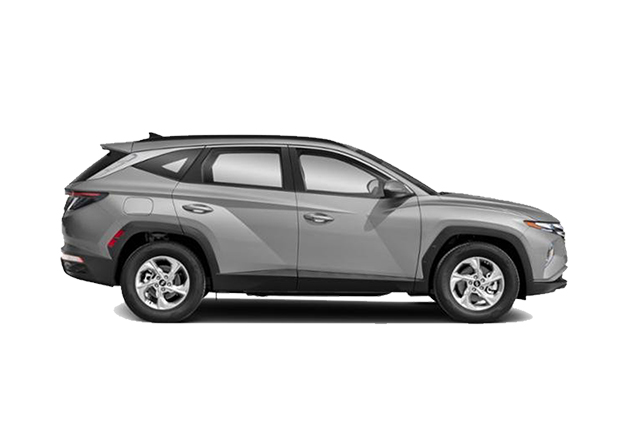
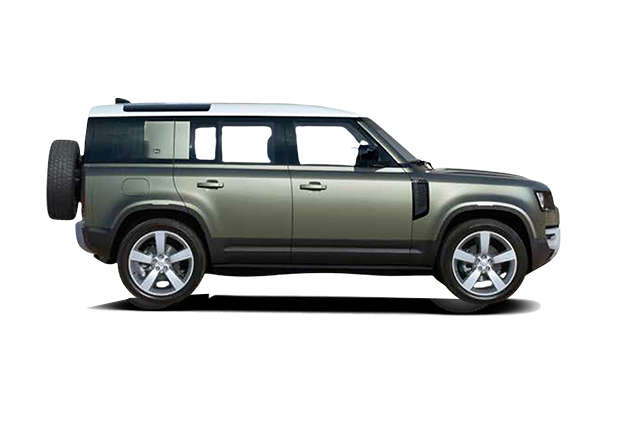
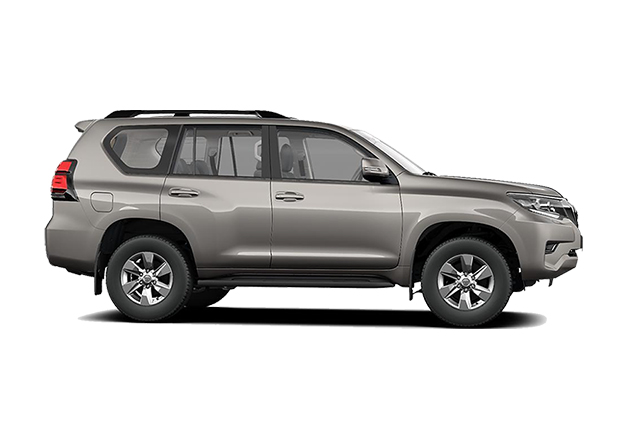
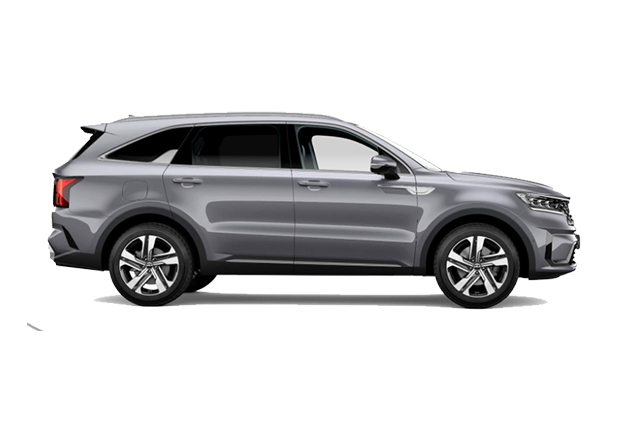
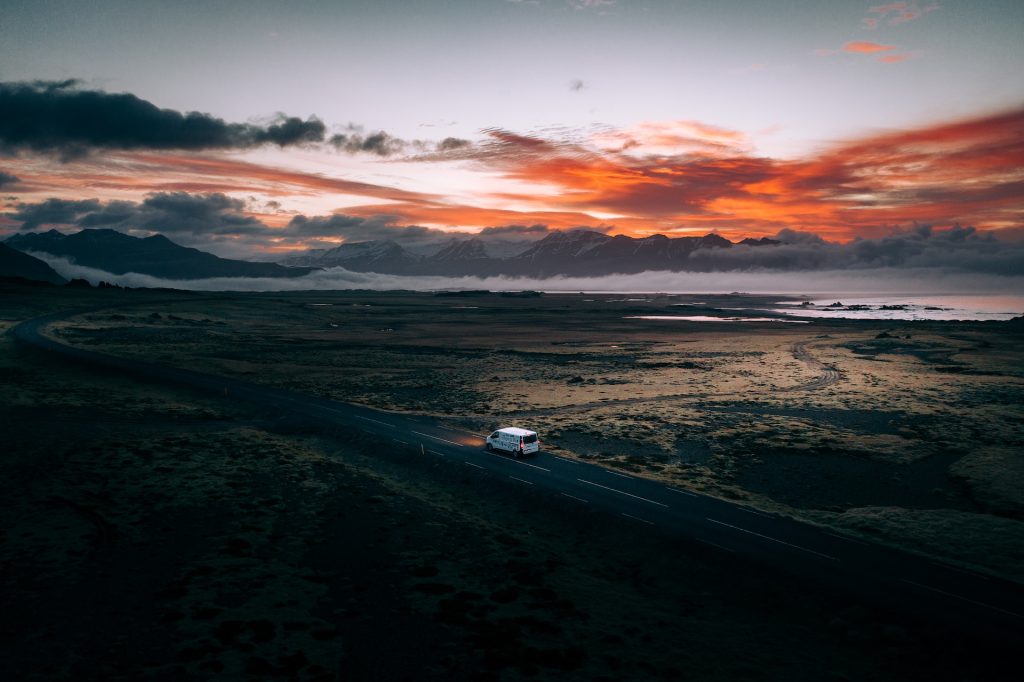
In Northern Iceland, having your own vehicle is particularly advantageous, since many of the areas are quite remote without any public transit routes, and without a rental car, you would be unable to access them. We highly recommend renting a 4X4 SUV or campervan when visiting Northern Iceland, regardless of the time of year.
This will give you more flexibility in terms of getting off the beaten path. That said, a 2WD mid-size car may be appropriate if you’re visiting in the summer and planning to stick to main routes. You can find a full range of options of rental cars here. With over 50 years of local experience, the Hertz Iceland team can help you choose the right vehicle for the season and your route.
If you do rent a vehicle, make sure to keep these Iceland safe driving tips in mind:
- Weather can be unpredictable, so always check vedur.is for updates.
- Keep an eye on road conditions by checking road.is.
- Iceland roads can be narrow and winding, so never stop in the middle.
- Plan for frequent rest stops.
- Always obey road signs in Iceland.
Guided Tours
Guided tours of North Iceland work well for visitors who want a low-effort experience or prefer not to drive in Icelandic conditions. Tours operate from Akureyri, Húsavík, and Myvatn, covering whale watching, geothermal baths, volcanic areas, and short sightseeing routes.
A guided tour removes the need to monitor weather or road conditions, but it does mean less flexibility. You will be limited to set routes and timeframes, and most remote villages and coastline viewpoints are not included. Guided tours are ideal if you are short on time or only want to see a few major highlights. For travellers who want to explore deeper into North Iceland, a rental car is the better choice.
What Are the Best Things To Do in North Iceland?
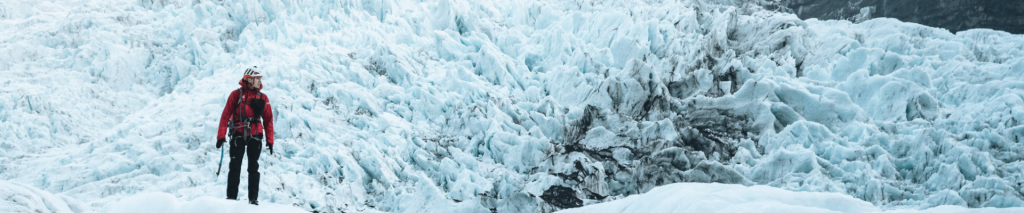
North Iceland offers a wide range of activities and experiences for travelers to enjoy. Here are some of the best things to do in this region:
Whale Watching in Husavik
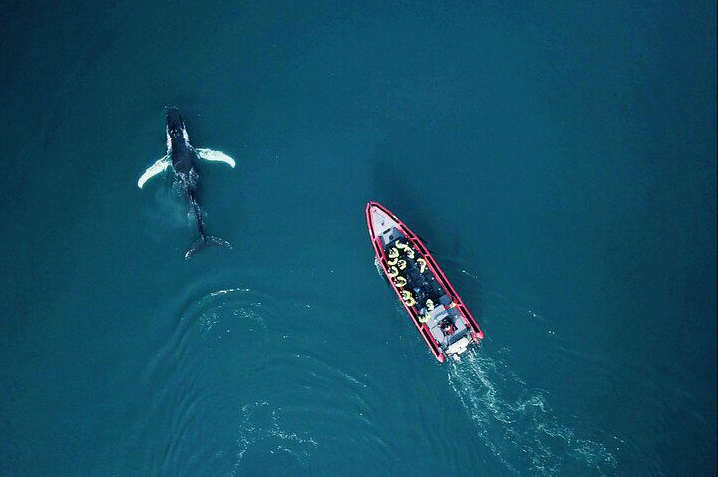
Husavik, situated on the shores of Skjálfandi Bay, is renowned as one of the world’s top whale-watching destinations. The town’s strategic location provides an optimal opportunity to witness 12 different species of whales that inhabit Iceland’s waters, including humpback whales, minke whales, and the majestic blue whale. Whale-watching tours operate year-round, but the best chances of sightings are during the summer months.
Icelandic Horse Riding
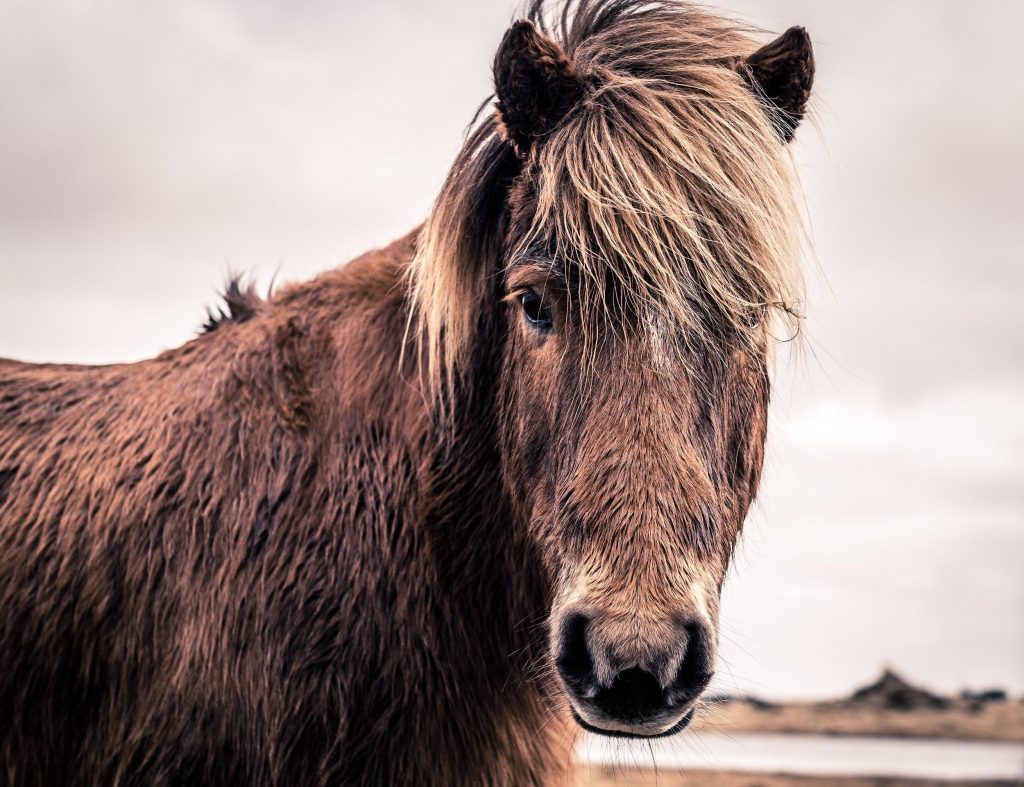
Icelandic horses are a unique and cherished breed known for their friendly disposition, five gaits, and sturdiness. Akureyri, often referred to as the “Capital of the North” and the largest town in North Icelnad, is an ideal place to embark on a horseback riding adventure.
Icelandic horseback riding is a distinctive way to enjoy the landscapes of Northern Iceland, with gentle horses guiding you through trails and scenic countryside. You don’t need to have experience either, as these gentle horses are calm in temperament, and a trained guide will be with you along the way.
Geothermal Spas and Hot Springs
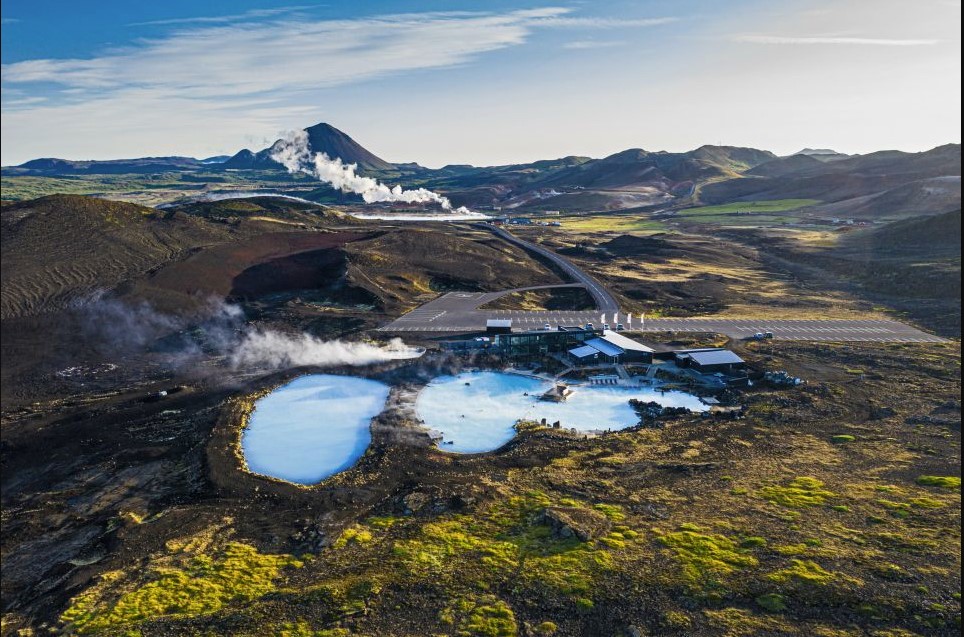
Iceland’s geothermal activity is one of the country’s most notable features, and Northern Iceland is the perfect place to experience it as the area is home to several geothermal spas and natural Iceland hot springs. Some must-visit geothermal spots in Northern Iceland include:
Myvatn Nature Baths: Myvatn Nature Baths sits in the heart of the volcanic Myvatn region and is known for its milky blue water, mineral content, and views over surrounding lava fields. It is open year-round and has two steam baths plus a café. Most travelers visit after exploring nearby craters, mud pools, and hiking trails.
Forest Lagoon: Forest Lagoon is just outside Akureyri and draws its geothermal water from a nearby hot spring deep within the forested hillside. It has two warm pools, a cold plunge, a sauna, and a swim-up bar. It is slightly cooler than Myvatn, which many visitors find more comfortable.
Geosea Geothermal Sea Baths: Located on the coastline of Húsavík, Geosea uses naturally heated seawater and offers some of the best fjord views in the region. The pools overlook Skjálfandi Bay, and it is not unusual to spot whales while you soak. The baths are open year-round and include a sauna and lounge areas.
Explore Akureyri
Akureyri is the largest town in North Iceland and a great base for exploring the region. It has cafés, museums, the botanical garden, whale watching departures, and mountain views over Eyjafjörður. It is also the best place to access many northern Iceland sights.
The Natural Attractions in North Iceland
Exploring North Iceland’s natural attractions is a key part of Iceland Northern area experience. Some of the must-see natural wonders include:
- Goðafoss waterfall: Known as the “Waterfall of the Gods.”
- Skagafjörður Valley: Breathtaking valley featuring pastures surrounded by towering mountains.
- Dimmuborgir Lava Formations: Called the “Dark Castles” as the lava formations resemble an ancient city.
- Asbyrgi Canyon: Horseshoe-shaped canyon with 100m cliffs.
- Krafla Volcano: The Krafla volcano region in Iceland features many hiking trails and scenic viewpoints, including the Viti crater, known for its vivid blue waters.
- Grjótagjá Cave: Famous for both its thermal spring inside but also for its appearance in the television series “Game of Thrones.”
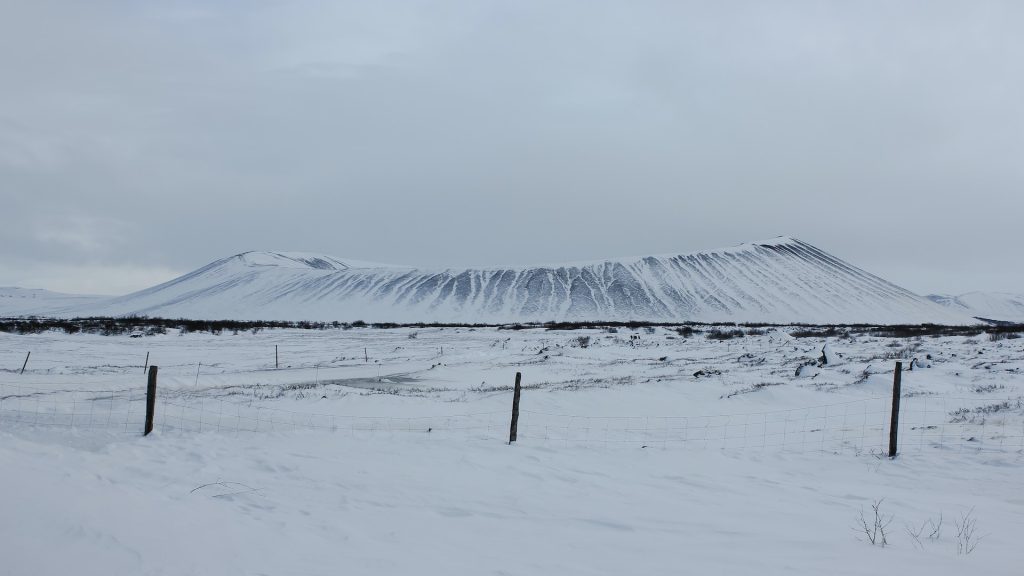
- Hverfjall Crater: A prominent tephra cone or tuff ring volcano in Northern Iceland, easily recognizable due to its massive, circular shape. It offers a unique panoramic view of the surrounding landscape when climbed.
- Dettifoss Waterfall: Located in Vatnajökull National Park, tthe most powerful waterfall in Europe Its roaring waters and misty atmosphere create an awe-inspiring scene.
- Námafjall Geothermal Area: A geothermal hotspot characterized by boiling mud pots, steaming fumaroles, and a striking, otherworldly landscape. The sulphurous fumes and colorful terrain make this a unique place to explore.
- Vatnajökull National Park: One of Europe’s largest national parks. It’s home to Vatnajökull glacier, various active volcanoes, large ice caves, and several awe-inspiring waterfalls, including Dettifoss.
Where to Stay in North Iceland
Finding the right place to stay in North Iceland depends on your travel style. Akureyri offers easy access to food and tours, while Myvatn is perfect for geothermal adventures. Coastal villages along the Arctic Coast Way are ideal for travelers who want quiet scenery and slower days. Here are some well-known accommodation options.
Akureyri
Myvatn Area
Arctic Coast Way and Small Villages
Where to Eat in North Iceland
North Iceland’s food scene is small but memorable, with reliable options for lunch, dinner, and coffee across the region. Akureyri has the most variety, while Húsavík, Myvatn, and Siglufjörður each have places that travelers consistently recommend.
Akureyri
Húsavík
Siglufjörður
Myvatn Area
Frequently Asked Questions
-
- What is there to see in the north of Iceland?
Top sights include Myvatn, Dettifoss, Ásbyrgi Canyon, Húsavík, Akureyri, Siglufjörður, the Arctic Coast Way, Hvitserkur, and the volcanic and geothermal fields around Krafla and Námaskarð.
- What is there to see in the north of Iceland?
-
- What is the most northern part of Iceland?
The northernmost inhabited point of Iceland is Grímsey Island, which sits directly on the Arctic Circle.
- What is the most northern part of Iceland?
-
- Is there anything to do in Northern Iceland?
Yes. The region is full of outdoor activities and natural attractions, from hot springs and whale tours to lava formations, bird cliffs, scenic drives, and quiet coastal towns.
- Is there anything to do in Northern Iceland?
-
- Can you hike in Iceland in the winter?
Some hikes are possible in winter, but many trails are inaccessible due to snow and ice. Always check conditions, go with a guide, and wear proper gear.
- Can you hike in Iceland in the winter?
-
- Which part of Iceland is most beautiful?
Beauty is subjective, but many travellers consider North Iceland the most scenic because of its mix of volcanic terrain, fjords, and remote coastal landscapes. It also has fewer visitors than the south.
- Which part of Iceland is most beautiful?
-
- Which is better, North or South Iceland?
South Iceland is ideal for quick sightseeing, while North Iceland is better for quieter nature, wildlife, geothermal areas, and longer, more relaxed road trips. The right choice depends on your travel style.
- Which is better, North or South Iceland?
-
- What is the largest city in North Iceland?
Akureyri is the largest town in North Iceland and is often called the Capital of the North.
- What is the largest city in North Iceland?
-
- How do you get around North Iceland?
The most practical way to explore North Iceland is by rental car since public transport is limited and most attractions are spread out. Guided tours are available from Akureyri and Húsavík.
- How do you get around North Iceland?
Get Ready for Your North Iceland Adventure
North Iceland is full of hidden gems, geothermal areas, fjords, small villages, and wildlife that many travelers miss when focusing only on the south. Whether you visit in summer for long daylight or in winter for peaceful roads and Northern Lights, the region is rewarding in every season.
As you plan your trip, consider your travel style and the type of vehicle you need. With over 50 years of local expertise, Hertz Iceland provides guidance and safe driving support so you can explore the region with confidence. Book your rental car online in advance and start planning your Northern Iceland adventure.