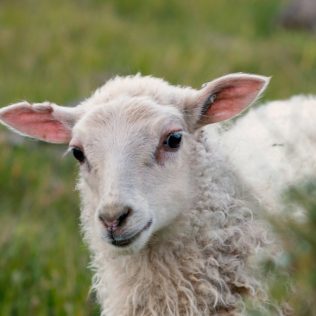
As long as there have been people in Iceland, there have been sheep. Icelandic sheep have been part of the country’s landscape since the Viking settlement in the 9th century. Today, with an estimated 450,000 to 500,000 sheep in a country of roughly 390,000 people, sheep in Iceland actually outnumber humans.
And if you’re planning a self-drive trip, you will see them. A lot.
From lava fields along the Ring Road to grassy farmland near the Golden Circle, Icelandic sheep are everywhere. They graze beside waterfalls, wander across rural roads, and dot the hillsides in every direction.
In this article, we delve into the significance, history, characteristics, and best places to see Icelandic sheep as part of your Iceland itinerary.
Table of Contents
- The History of Icelandic Sheep
- What Icelandic Sheep Look Like
- When Is the Best Time to See Icelandic Sheep?
- Where to See Icelandic Sheep
- What Are Icelandic Sheep Famous For?
- Safety Tips for Sheep Viewing
- Frequently Asked Questions
The History of Icelandic Sheep
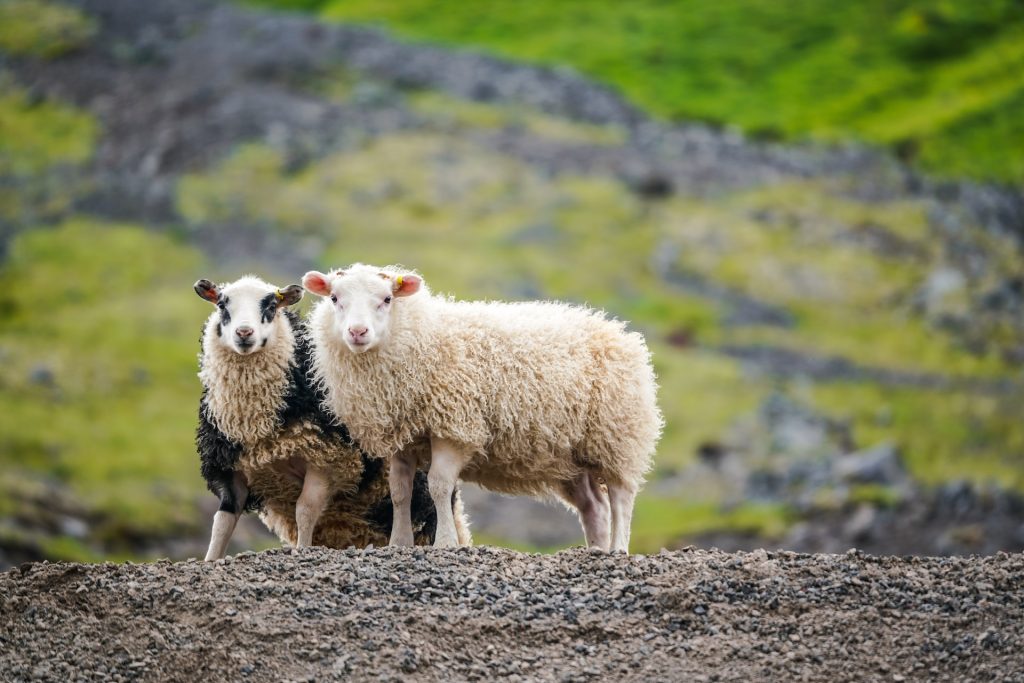
When Viking settlers arrived in the 9th and 10th centuries, they brought sheep with them. Because Iceland remained isolated for centuries, and because importing other sheep breeds is strictly forbidden today, modern Icelandic sheep are direct descendants of those early flocks. That means they have evolved in near isolation for over 1,100 years. This isolation is what makes Icelandic sheep special. They are one of the purest surviving heritage sheep breeds in the world.
They are also exceptionally hardy. Iceland’s climate is windy, wet, and unpredictable. Yet these sheep thrive outdoors for much of the year.
What Icelandic Sheep Look Like
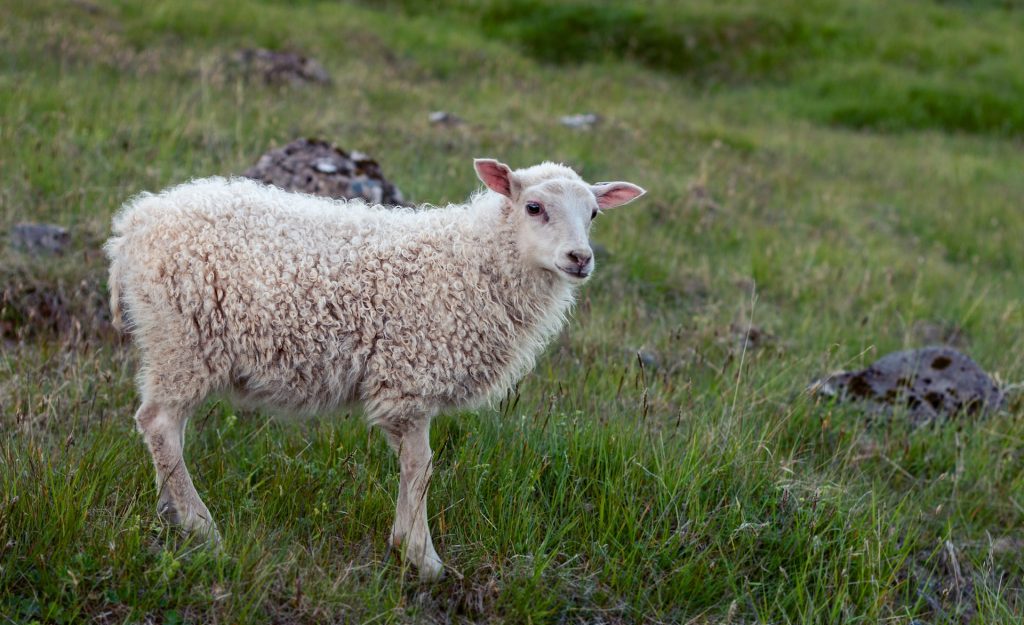
Icelandic sheep are medium-sized, typically weighing between 45 and 72 kilograms. Rams are noticeably larger than ewes. They have:
- A triangular-shaped face
- Expressive eyes
- Curved horns (though some are hornless)
- A sturdy, compact build
Their colors vary. While many are white, you’ll also see black, brown, grey, and mixed patterns across the countryside. Are Icelandic sheep friendly? Generally, yes. They have a calm temperament and are used to open grazing. But they are livestock, not pets. It’s best to observe from a respectful distance.
The Dual Coat of Sheep in Iceland
One of the most distinctive features of Icelandic sheep is their fleece. They have two types of wool: the long, coarse, water-resistant outer fibers (called the Tog), and the soft, insulating inner fibers (called the Þel). This dual-coated structure provides natural waterproofing and insulation. Rain hits the outer layer and runs off. The inner layer traps warmth. This is why Icelandic wool is so special. It’s breathable, warm, and weather-resistant all at once. This fleece made survival possible for early Icelanders. It also gave rise to one of Iceland’s most iconic garments: the lopapeysa sweater.
When Is the Best Time to See Icelandic Sheep?
While you can see sheep in Iceland throughout the year, there’s a window when they truly take over the landscape.
May to September: Free Grazing Season
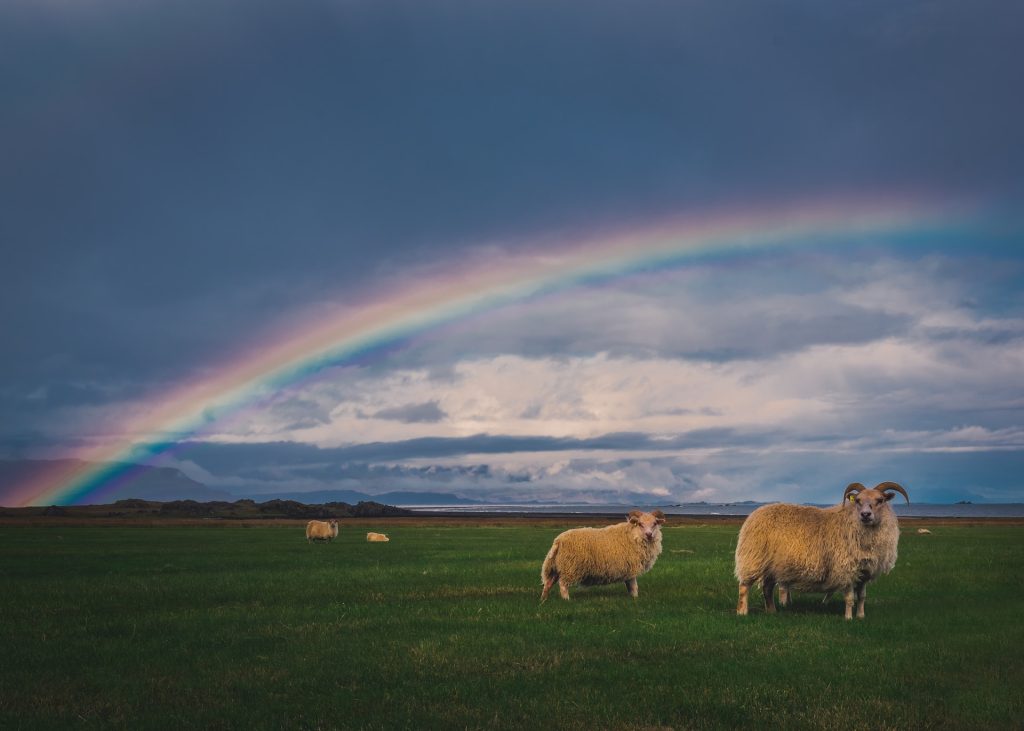
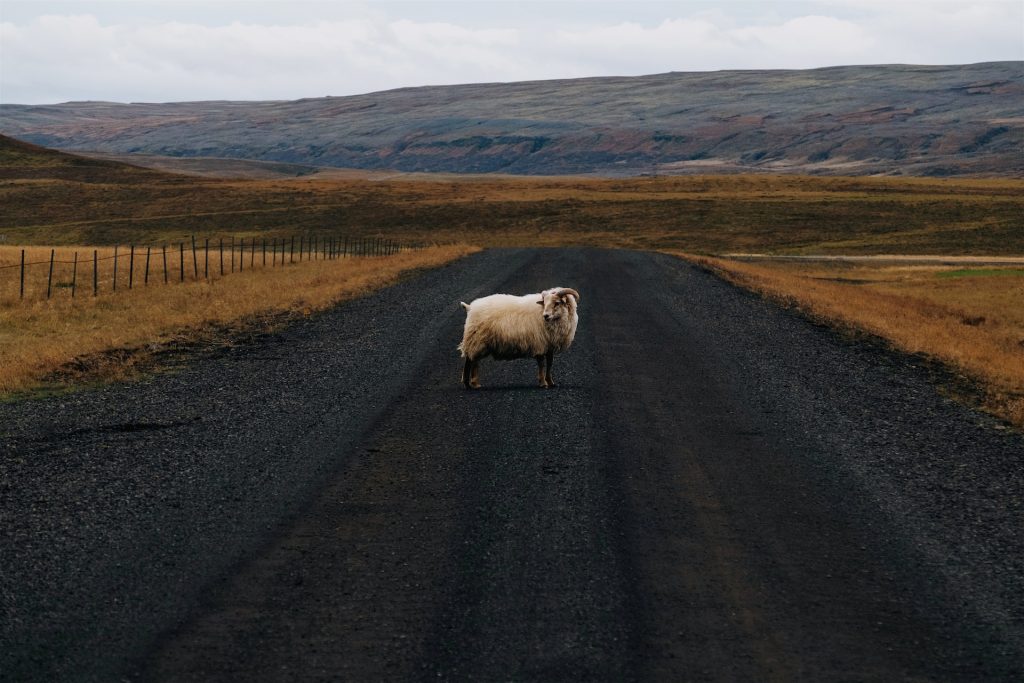
If you want guaranteed sheep sightings, visit between late spring and early autumn. In May and June, lambs are born. By summer, farmers release sheep into open grazing areas. There are very few fences in rural Iceland, so sheep roam freely across fields, lava plains, and hillsides. Summer in Iceland is peak sheep season, and you will see them resting beside roads, climbing rocky terrain, grazing near glaciers, or even standing right in front of your car.
September: Réttir
In September, Iceland celebrates Réttir, the traditional sheep roundup. Farmers gather sheep from the Highlands and sort them in communal pens. The event has been happening for centuries and remains one of Iceland’s most authentic rural traditions. For travelers, it’s a rare chance to see hundreds of sheep in one place and experience local culture beyond tourist attractions.
Where to See Icelandic Sheep on Different Driving Routes
You can find sheep almost anywhere outside cities, but certain routes offer especially reliable sightings.
Ring Road
The Iceland Ring Road circles the entire country and passes through farmland, lava fields, fjords, and remote valleys. Sheep are particularily common in The East Fjords, North Iceland and the rural stretches between small towns. Sheep crossing signs are frequent. If you see one sheep near the road, slow down immediately because others are usually close behind.
The Golden Circle
Even on The Golden Circle, Iceland’s most visited route, sheep sightings are quite common. Between Thingvellir, Geysir, and Gullfoss, you’ll drive through open countryside where sheep graze freely. This is one of the easiest ways for short-stay visitors to encounter Iceland sheep.
The South Coast
The South Coast of Iceland combines incredible scenery with the opportunity for consistant sheep sightings. You might encounter sheep near Iceland waterfalls, on volcanic plains, near black sand beaches, or with glaciers as the backdrop. You might be surprised how close they wander to popular stops.
Icelandic Highlands (Summer Only)
During the summer months, many sheep spend months out grazing in the Highlands of Iceland. The Highlands are only accessible via F-roads, which are only open during the summer months when the roadways are clear. You will also require a 4X4 vehicle to access this region of Iceland. this remote area is where sheep roam free before being gathered during Réttir. If you’re planning a Highlands adventure, sheep encounters are part of the experience.
What Are Icelandic Sheep Famous For?
Icelandic sheep are not just a common sight along the roadside. They are deeply woven into Iceland’s history, economy, clothing, and cuisine. For over a thousand years, these animals have helped people survive in one of Europe’s harshest climates. Their wool kept settlers warm. Their meat sustained families through long winters. Even their milk once played a central role in daily life. Here’s what Icelandic sheep are most famous for today.
Wool Products – The Icelandic Traditional Sweater (Lopapeysa)
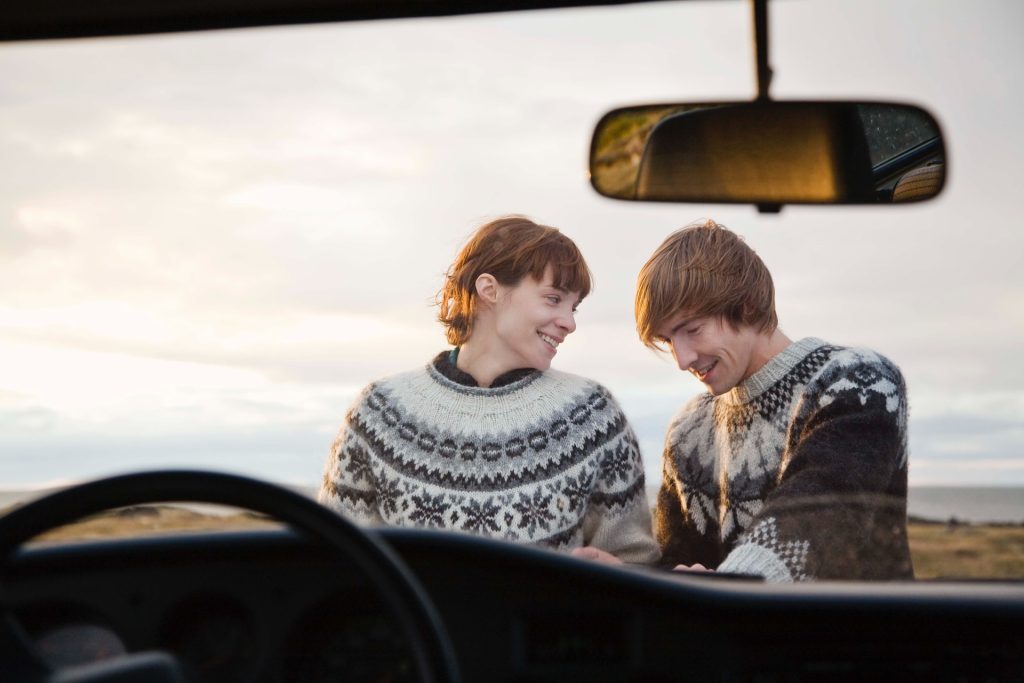
Thanks to their uniquely weather-adapted fleece, Icelandic sheep produce wool that performs exceptionally well in harsh conditions. That natural resilience gave rise to one of Iceland’s most recognizable garments: the lopapeysa. These sweaters are known for their distinct circular yoke patterns, lightweight warmth, breathable insulation and durability in the wind and rain.
Originally they were practical workwear, but they’ve now become a symbol of Icelandic identity. Each design can vary by region and style of the knitter (many of which are still using hand-knitting techniques passed down through generations).
Where to buy authentic Icelandic wool sweaters? If you want to take one home with you then the quality matters. Many souvenir shops sell machine-made versions that mimic the look but may use blended or imported wool. For an authentic hand-knit sweater made from Icelandic wool, visit the Handknitting Association of Iceland in Reykjavík. The cooperative represents local knitters and sells traditional pieces made from locally sourced fleece. You can also find authentic pieces at rural shops along driving routes, seasonal craft markets in the summer or boutique stores in Reykjavik.
Meat Products – Traditional Icelandic Dishes
Icelandic sheep are primarily raised for meat, and Icelandic lamb is considered one of the country’s most important traditional foods. Because sheep graze freely across open pastures, lava fields, and mountain valleys during summer, their diet consists largely of wild grasses and herbs. This free-range lifestyle contributes to the mild, clean flavor Icelandic lamb is known for. One of the most famous dishes is hangikjöt, smoked lamb traditionally served during festive occasions. The meat is often smoked over birch, giving it a distinctive flavor.
Other traditional dishes include:
- Svið – boiled sheep’s head, typically served during midwinter festivals
- Plokkfiskur – a comforting fish and mashed potato dish sometimes prepared with shredded lamb
Explore our full guide to food in Iceland here.
Milk Products
Before modern farming methods allowed large-scale cow dairy production, sheep were Iceland’s primary source of milk for over a thousand years. Prior to the 20th century, farmers struggled to produce enough hay to feed cows through winter. Sheep, being more adaptable, filled the gap. Their milk supported communities long before cow dairy became dominant.
Today, Icelandic sheep are no longer commercially milked on a large scale. However, some small farms still produce sheep milk in limited quantities. It’s rich and nutritious, and occasionally used in specialty dairy products. While rare, sheep milk remains part of Iceland’s agricultural story and a reminder of how central these animals have been to survival and tradition.
Safe Travel Tips for Seeing Icelandic Sheep
While encountering Icelandic sheep is a great experience, it’s important to respect their space and ensure safety for both the animals and travelers. This goes for any interactions with Iceland wildlife. Here are some essential travel tips to keep in mind:
- Be cautious while driving, especially near the roadsides where sheep might be resting. Always maintain a safe speed and stay especially aware near any sheep crossings.
- Resist the urge to touch or interact with the sheep, as they are wild animals and may perceive human contact as a threat.
- Sheep travel in flocks, so if you see one sheep, slow down, as others are likely to follow. This is especially true if there is a lamb around, as they will always cross to be with their mother.
- Avoid getting too close to the sheep, making sudden movements or honking your horn, as this may frighten them and cause them to scatter, leading to potential accidents. Maintain a safe distance to observe them without causing stress.If you wish to see Icelandic sheep up close and learn more about them, consider visiting a farm that allows visitors to interact with the sheep safely and under controlled conditions, such as Bjarteyjarsandur Sheep Farm or the Sheep Farming Museum (Sauðfjársetur á Ströndum) near Hólmavík.
- Always obey speed limits, as Icelandic roads can be narrow and winding. Adhere to road safety guidelines to prevent accidents and ensure the safety of both humans and animals.
- Make sure you have your headlights turned on, day and night. In Iceland, headlights must be on at all times, even during daylight, for better visibility on the country’s often rugged and challenging roads.
Check out our Iceland safe driving tips guide for more ways to stay safe on the roads.
FAQs
-
- What is special about Icelandic sheep?
Icelandic sheep are a genetically isolated heritage breed that has remained largely unchanged since Viking settlers brought them to Iceland over 1,100 years ago. They are known for their hardiness, free-range grazing tradition, and uniquely structured fleece that produces highly durable wool.
- What is special about Icelandic sheep?
-
- Do Icelandic sheep need to be sheared?
Yes. Icelandic sheep are typically sheared once a year, usually in spring. Shearing keeps the fleece healthy and prevents overheating during warmer months.
- Do Icelandic sheep need to be sheared?
-
- Are Icelandic sheep docile?
Generally, yes. Icelandic sheep are calm and well-adapted to open grazing environments. However, they are still livestock and can move unpredictably, especially around lambs.
- Are Icelandic sheep docile?
-
- What age do you butcher Icelandic sheep?
Most Icelandic lamb is processed within its first year. This contributes to the tenderness and mild flavor the meat is known for.
- What age do you butcher Icelandic sheep?
-
- Are there Icelandic sheep in the US?
Yes, small populations exist in the United States and other countries. However, Iceland maintains the largest and most genetically preserved population due to strict import regulations.
- Are there Icelandic sheep in the US?
-
- How big are Icelandic sheep?
They are medium-sized sheep. Ewes typically weigh between 45 and 60 kilograms, while rams can weigh up to 70 kilograms or more.
- How big are Icelandic sheep?
-
- How cold hardy are Icelandic sheep?
Extremely hardy. They are well adapted to Iceland’s cold, windy, and wet conditions and can tolerate harsh winters thanks to their insulating fleece and resilient build.
- How cold hardy are Icelandic sheep?
-
- Is Icelandic wool ethical?
Icelandic sheep are typically raised on small farms and graze freely during summer. This traditional farming system is widely regarded as sustainable and lower-intensity compared to large-scale industrial models.
- Is Icelandic wool ethical?
See Icelandic Sheep on Your Self-Drive Adventure
Icelandic sheep are not a side attraction. They are part of the landscape. From roadside encounters on the Ring Road to remote flocks in the Highlands, these animals have shaped Iceland’s culture, clothing, and cuisine for over a thousand years.
To truly immerse yourself in the Icelandic experience, book a rental car to encounter Icelandic sheep while you explore other Iceland attractions. We always recommend booking in advance, especially if you’re visiting in the summer months, as it’s the height of Iceland’s tourist season. Whether you want to participate in Réttir or simply want to observe the Icelandic sheep against Iceland’s breathtaking scenery, these animals are guaranteed to be a fantastic part of your Iceland adventure.