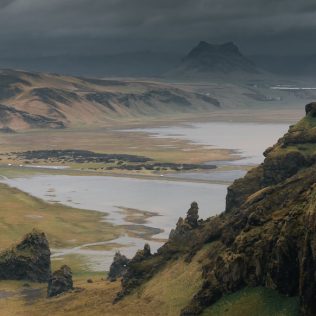
The Iceland landscape is the reason so many travellers put this country at the top of their bucket list. Few places on Earth offer such extreme contrasts in such a small area. In a single day, you can drive past steaming geothermal fields, vast lava plains, towering waterfalls, black sand beaches, and massive glaciers.
What makes Iceland especially unique is how raw and active its landscape still is. Volcanoes continue to reshape the land, glaciers carve valleys and lagoons, and shifting tectonic plates slowly pull the island apart. This constant interaction between fire and ice is what gives Iceland its dramatic, almost unreal appearance.
At Hertz Iceland, we have been helping travellers explore Iceland’s landscapes for over 50 years. Our team lives and drives here year-round, from the Ring Road to remote Highland F-roads, so this guide is based on real local experience, current road conditions, and first-hand knowledge of what it actually takes to explore Iceland safely and effectively.
- Related reads: Iceland nature travel guides, Iceland best attractions guides
What Is the Iceland Landscape Like?
Iceland’s landscape is defined by extreme contrasts, earning it the nickname “the Land of Fire and Ice.” The island features active volcanoes, vast lava fields, Europe’s largest glaciers, powerful waterfalls, black sand beaches, geothermal areas, and rugged fjords. These dramatic landscapes were shaped by volcanic eruptions, glacial movement, and Iceland’s location on the Mid-Atlantic Ridge, where two tectonic plates meet.
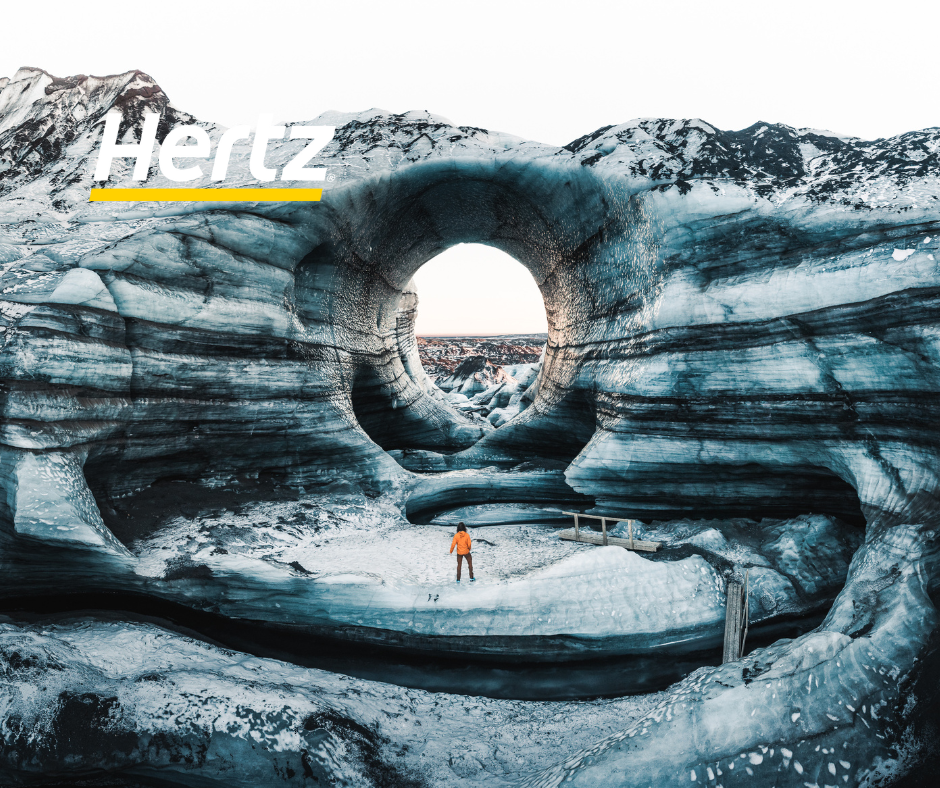
Table of Contents
- How was Iceland’s Landscape Formed?
- Most Famous Landscapes in Iceland
- The 5 Main Types of Icelandic Landscapes
- Best Places to See Iceland’s Landscapes
- Exploring Iceland with a Rental Car
- How Iceland Protects Its Natural Landscapes
- Landscape Photography in Iceland
- Frequently Asked Questions
How Was Iceland’s Landscape Formed?
Iceland’s landscape was formed by the powerful interaction between volcanic activity and ice. The island sits directly on the Mid-Atlantic Ridge, where two tectonic plates are slowly pulling apart. As magma rises from below the Earth’s crust, it creates volcanoes, lava fields, and geothermal areas.
At the same time, glaciers cover more than ten percent of the country. Over thousands of years, moving ice has carved valleys, shaped mountains, and created glacier lagoons. When volcanic eruptions occur beneath glaciers, they can trigger dramatic floods, form ice caves, and reshape the land almost overnight.
This ongoing battle between heat and cold is what makes Iceland’s landscape so diverse and visually striking.
What Are the Most Famous Landscapes in Iceland?
Some of Iceland’s most famous landscapes have become iconic symbols of the country:
- Glaciers such as Vatnajökull, the largest glacier in Europe, with ice caves and glacier lagoons.
- Waterfalls including Gullfoss, Skógafoss, Seljalandsfoss, and Dettifoss, some of the most powerful in Europe.
- Black sand beaches like Reynisfjara, formed from volcanic rock eroded by the ocean.
- Volcanic landscapes featuring lava fields, craters, and geothermal areas.
- Highlands with colorful rhyolite mountains, moss-covered lava, and vast uninhabited wilderness.
The 5 Main Types of Icelandic Landscapes
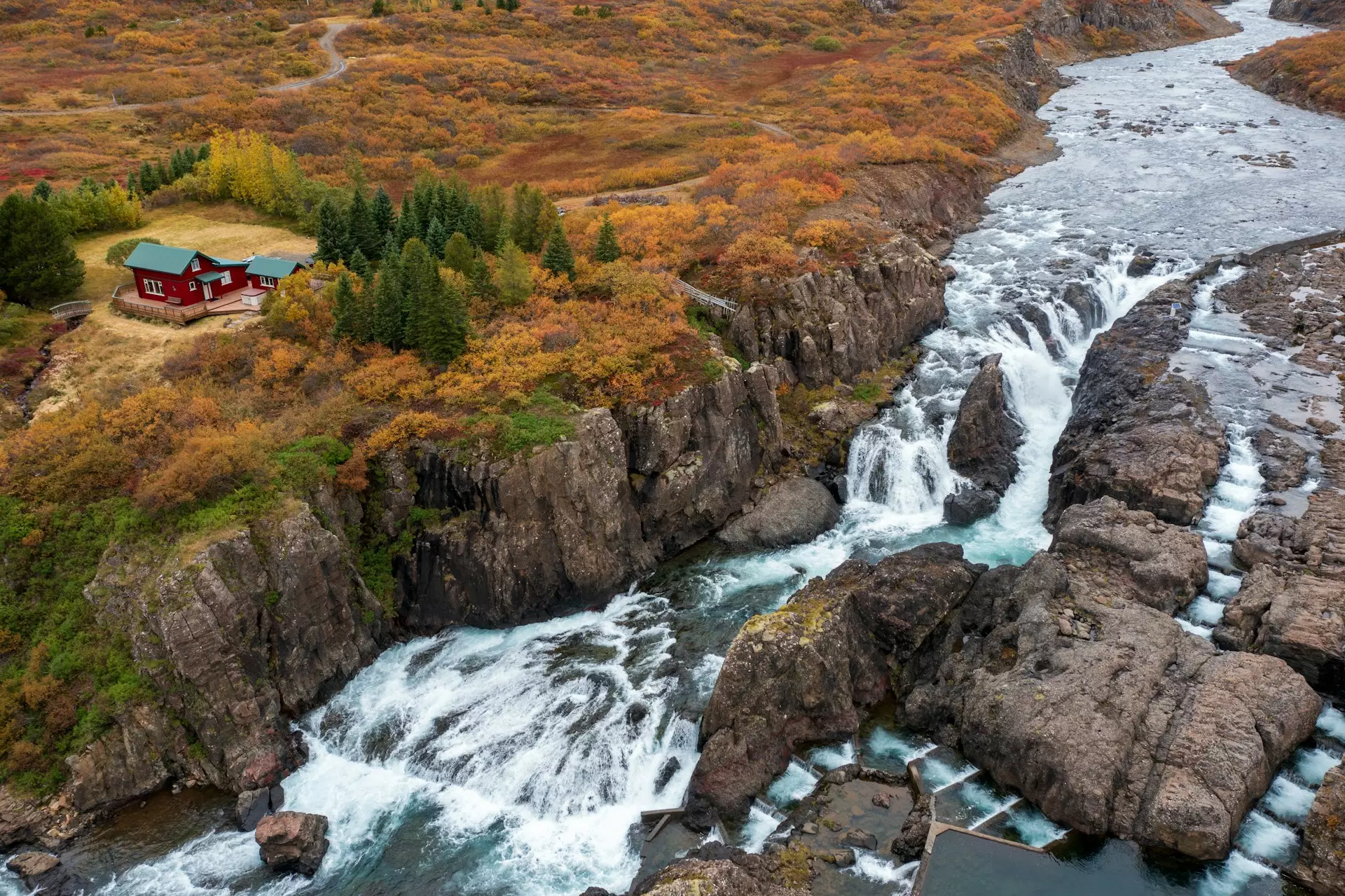
Iceland’s natural scenery can be grouped into five main landscape types. Most regions of the country combine several of these in one area, which is why driving in Iceland often feels like moving through multiple countries in a single day.
1. Volcanic Landscapes of Iceland
Iceland is home to over 100 volcanoes, around 30 of which are considered active. These Iceland volcanoes have shaped much of the country’s surface, creating craters, lava fields, geothermal zones, and ash plains.
The most famous volcano is Eyjafjallajökull, known for its 2010 eruption that disrupted air travel across Europe, which is now covered by a glacier. When you visit Thríhnúkagígur Volcano, you can journey down into the magma chamber itself, making it the only volcano in the world where you can do that. There are also Katla, Krafla and Snaefellsjokull volcanoes, which are must-see Iceland volcanoes if you have time on your vacation.
2. Glacier Landscapes of Iceland
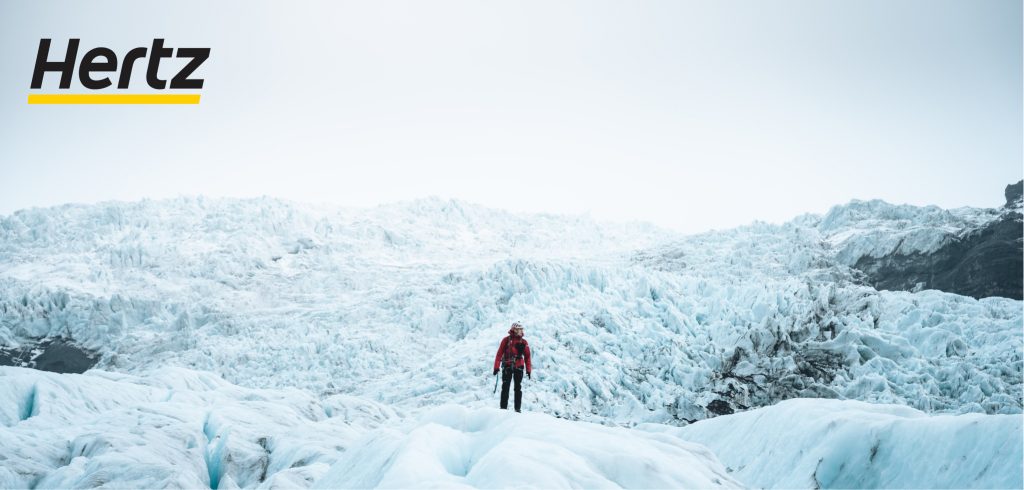
Over 10% of the land in Iceland is covered by glaciers, meaning the snow never melts, even in the summer in Iceland. These icy plains stretch out as far as the eye can see, especially when you’re visiting glaciers like Vatnajökull, the largest glacier in Europe.
Vatnajökull is the largest glacier in Europe and lies within Vatnajökull National Park. Other major glaciers include Mýrdalsjökull and Snæfellsjökull. Visitors can experience glaciers through guided hikes, ice climbing, snowmobiling, and visits to glacier lagoons.
Glacier Ice Caves
Glacier ice caves are one of Iceland’s most unique natural features. These caves form when meltwater flows beneath glaciers and refreezes, creating constantly changing tunnels of blue ice.
You can only visit the glacier ice caves in Iceland with a professional guide, as they are experts in the ice movement and will ensure your safety as you navigate the caves. Some of the best ice caves include the renowned Vatnajökull blue glacier ice cave and the Katla ice cave.
3. Waterfalls in Iceland
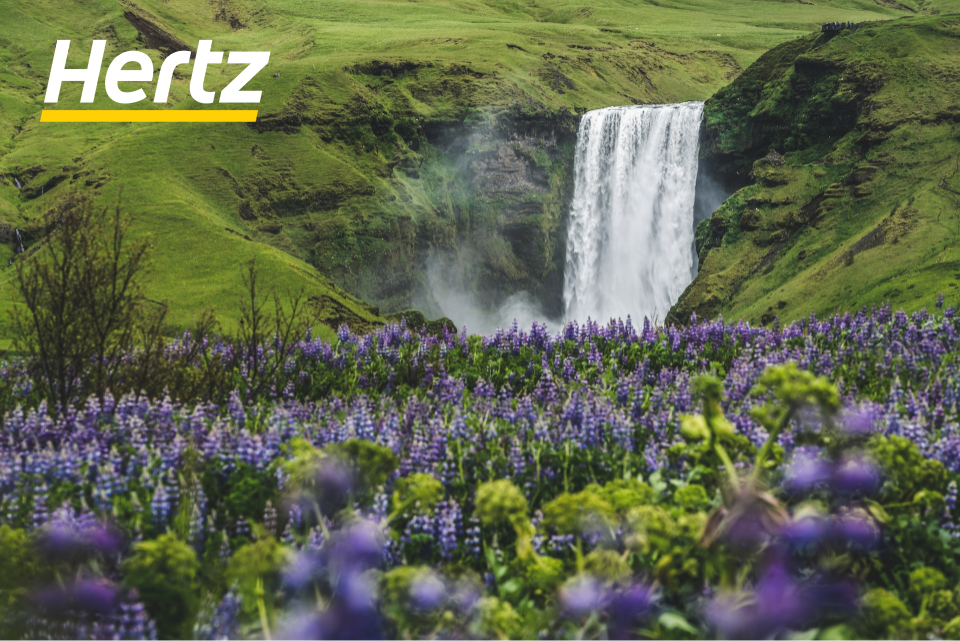
Iceland has an estimated 10,000 waterfalls, fed by glaciers, rivers, and frequent rainfall. While not all are accessible, many of the country’s most impressive waterfalls are easy to reach by car.
From the immense power of Dettifoss to the elegant flow of Seljalandsfoss, Iceland waterfalls are a constant feature of Iceland road trips. Gullfoss is one of the most visited waterfalls in the country due to its proximity to Reykjavík and its dramatic two-tiered drop.
4. Black Sand Beaches of Iceland
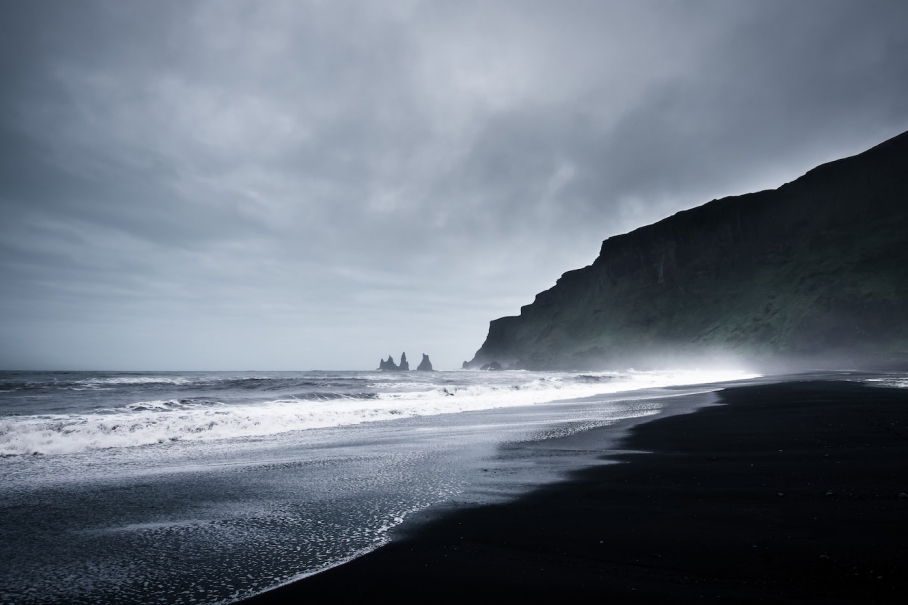
The contrast between the black sand and the wild, blue North Atlantic Ocean is simply mesmerizing, and you’ll find a lot of it in Iceland. Although black sand beaches line much of Iceland’s southern coastline, none are more famous than Reynisfjara beach.
Located near the village of Vík, this beach has been featured in many movies and television shows. These beaches were formed by volcanic activity on the island over the years, as hot lava cools into black rock when it touches the icy ocean water. And as the rock erodes, it creates black sand! At Reynisfjara, you can also see the basalt columns together with the black sand at the same time.
5. Lava Fields of Iceland
Lava fields cover large parts of Iceland and reveal the island’s volcanic history. Some are blanketed in thick moss, while others remain stark and barren. Notable lava fields include:
- Eldhraun Lava Field: Covering 565 km², this lava field is a vast expanse of solidified lava and Icelandic moss.
- Krafla: Lava and ash areas here are devoid of moss, presenting a starkly different experience from Eldhraun.
- Geirlandshraun: This high-walled lava field forms an awe-inspiring canyon, adding an extra layer of drama to the landscape.
- Berserkjahraun: This ancient lava field, over 3,000 years old, is home to caves and lava tunnels that provide a glimpse into Iceland’s geological history.
- Vatnhellir Cave: An 8,000-year-old lava cave that offers a fascinating journey through time.
- Thrihnjukagigur Cave: Descend into the depths of a dormant volcano through a massive vertical lava tube for a truly surreal experience.
- Lofthellir: Located in a lava field, this cave is adorned with stunning ice formations that create a magical ambience.
- Gjabakkahellir Cave: Formed 9,000 years ago and open on both ends, it’s perfect for those who prefer open spaces while still experiencing the wonders of a lava cave.
Best Places to See Iceland’s Landscapes
If you want to experience the full range of Iceland’s landscapes, certain regions stand out for how much natural variety they pack into a single journey. These destinations make it possible to see dramatically different scenery within relatively short driving distances:
Iceland South Coast
The South Coast of Iceland offers one of the most concentrated displays of the country’s landscapes, all accessible within a few days of travel. From the powerful cascade of Skógafoss to the striking black sand beaches near Vík, many of Iceland’s most famous sights sit directly along the Route 1 Ring Road, making this region especially easy to explore.
The South Coast is a strong year-round option, as most attractions remain accessible in both summer and winter. Highlights include Seljalandsfoss and Skógafoss, located just minutes apart, followed by the village of Vík and the dramatic shoreline of Reynisfjara. The route also features long stretches of rugged coastline, as well as two of Iceland’s most iconic sights, Jökulsárlón Glacier Lagoon and nearby Diamond Beach.
Snaefellsnes Peninsula
Often referred to as “Iceland in Miniature,” the Snaefellsnes Peninsula showcases a wide range of Iceland’s geological features within a compact area. The region is dominated by the glacier-capped volcano Snæfellsjökull, a site long associated with folklore, mythology, and Icelandic sagas.
The main driving route around the peninsula is just 90 kilometers long and can technically be completed in a few hours. However, to fully appreciate the landscapes, it is worth setting aside a full day. Notable stops include Kirkjufell, Snæfellsjökull National Park, and the dramatic basalt sea cliffs at Londrangar.
North Iceland
North Iceland offers a striking mix of volcanic terrain, geothermal activity, and quieter, less-visited landscapes. The region is accessible via the Ring Road, with the drive from Reykjavík to Akureyri taking around five hours if driven directly.
Once in the north, numerous secondary routes lead to less crowded natural sites. The area is home to Lake Mývatn, a volcanic lake surrounded by lava formations and geothermal features, as well as the Mývatn Nature Baths. North Iceland is also known for Dettifoss, the most powerful waterfall in Europe.
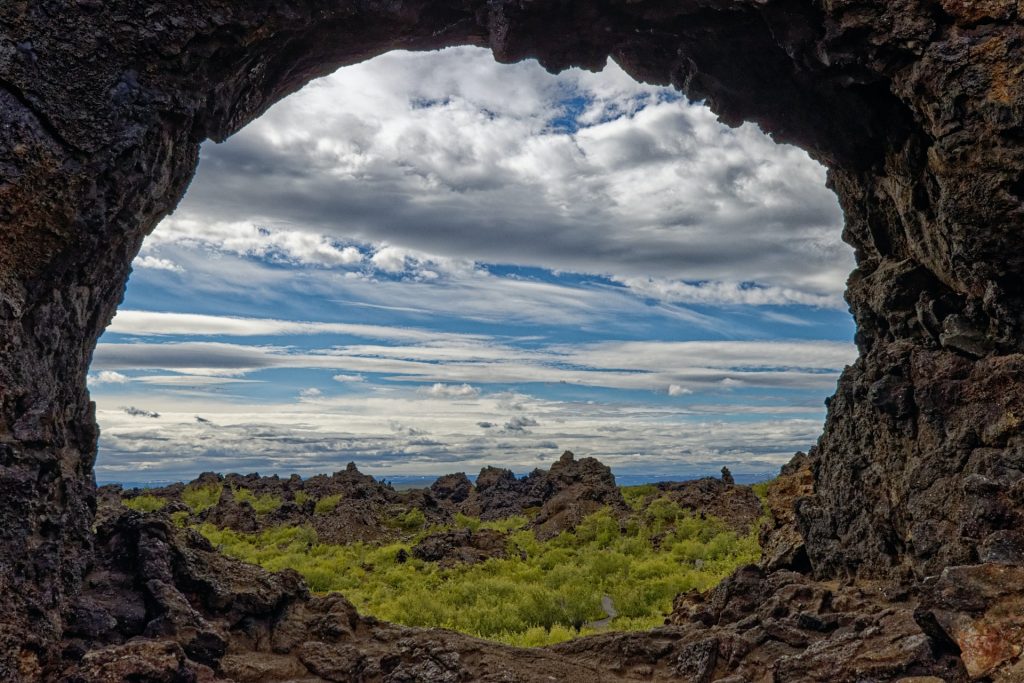
Nearby, the Dimmuborgir lava formations are a must-visit. This area features caves, arches, and towering rock columns formed by volcanic eruptions more than 2,000 years ago, offering a vivid example of Iceland’s geological past.
Highlands of Iceland
The Highlands of Iceland represent the country at its most remote and untouched. Located in the interior of the island, this vast wilderness is only accessible during the summer months. Roads are largely unpaved, and many routes are classified as F-roads, meaning a properly equipped 4×4 vehicle is required.
This region is ideal for travellers seeking solitude and dramatic scenery far from populated areas. Landmannalaugar is especially well known for its colorful rhyolite mountains and geothermal pools, while long-distance hikers are drawn to the 55-kilometer Laugavegur Trail, typically completed over three to five days. Kerlingarfjöll is another highlight, with steaming geothermal valleys set against surrounding glaciers, making the journey into the Highlands especially rewarding.
Why Renting a Car Is the Best Way to Explore Iceland’s Landscapes
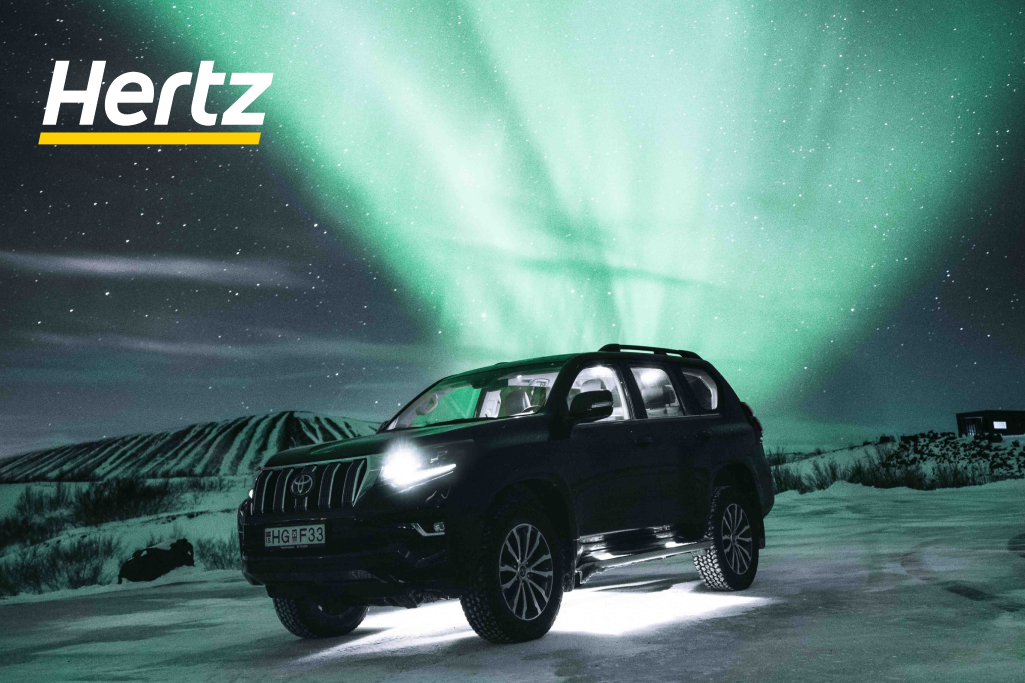
To fully experience Iceland’s landscapes, having your own vehicle makes a significant difference. A rental car gives you the freedom to move at your own pace, adjust plans around weather and daylight, and stop at viewpoints and natural sites that are often missed on fixed itineraries. There is very limited public transportation in Iceland, and guided tours typically follow set routes, which can restrict access to lesser-known landscapes and quieter regions.
When choosing a rental car in Iceland, several factors should be considered, including the season of travel, the number of people in your group, and the route you plan to drive. These details directly affect which areas are accessible and how comfortably you can travel between them.
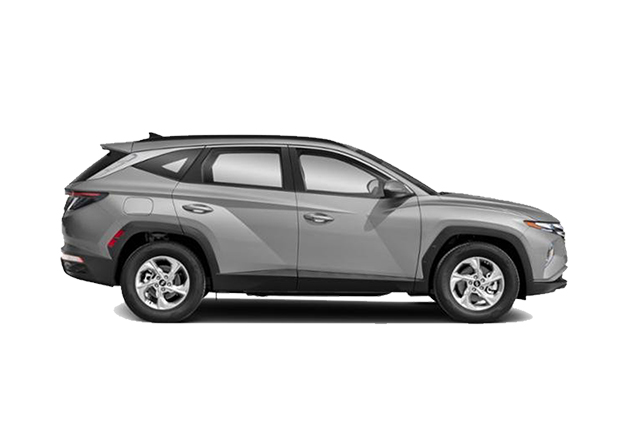
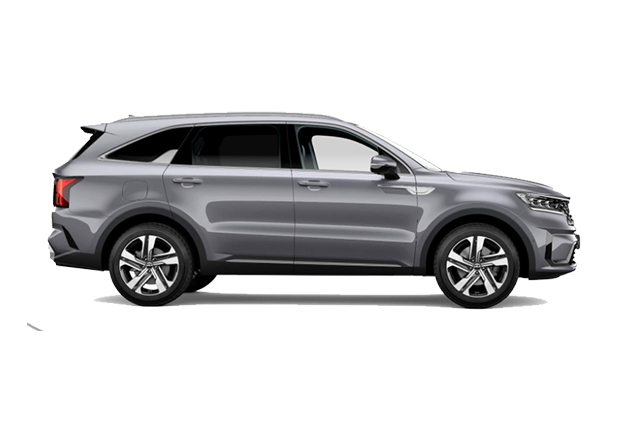
For popular routes like the Golden Circle, Reykjavík area, and much of the South Coast, compact and mid-size cars are well-suited, especially during summer when roads are clear and conditions are stable. These vehicles are efficient and ideal for paved roads and shorter distances. If you are planning longer Ring Road drives, carrying more luggage, or travelling during the shoulder seasons, a full-size car offers added space and comfort while still performing well on Iceland’s main roads.
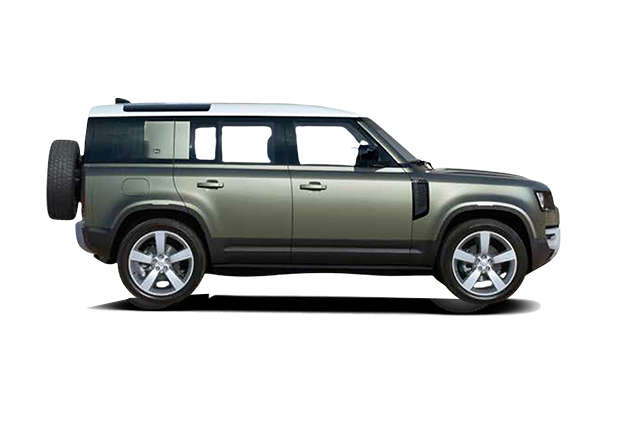
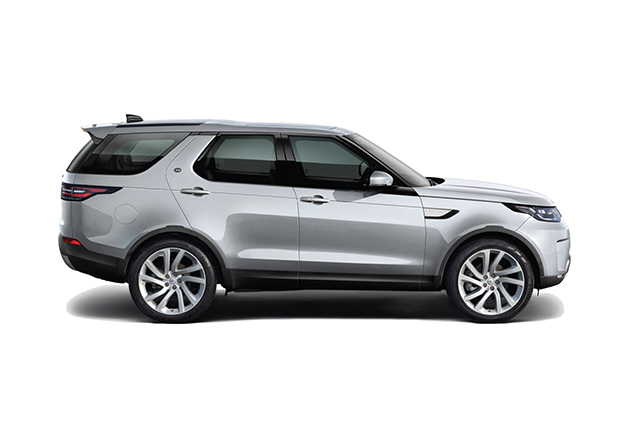
For winter travel, unpaved roads, or remote regions such as the Highlands and F-roads, a 4×4 vehicle is essential. These vehicles provide better traction and control in snow, ice, and gravel, and are required for accessing certain areas. Campervans offer a flexible option for travellers who want to combine transportation and accommodation. They are best suited to main routes like the Ring Road and South Coast during the warmer months, when campsites are open, and road conditions are more predictable.
Remember, in Iceland, road conditions can change quickly, so it’s important that you have the right vehicle to navigate the routes safely. For help choosing the best rental car option for your trip to Iceland, check out our car rental tips.
How Iceland Protects Its Natural Landscapes
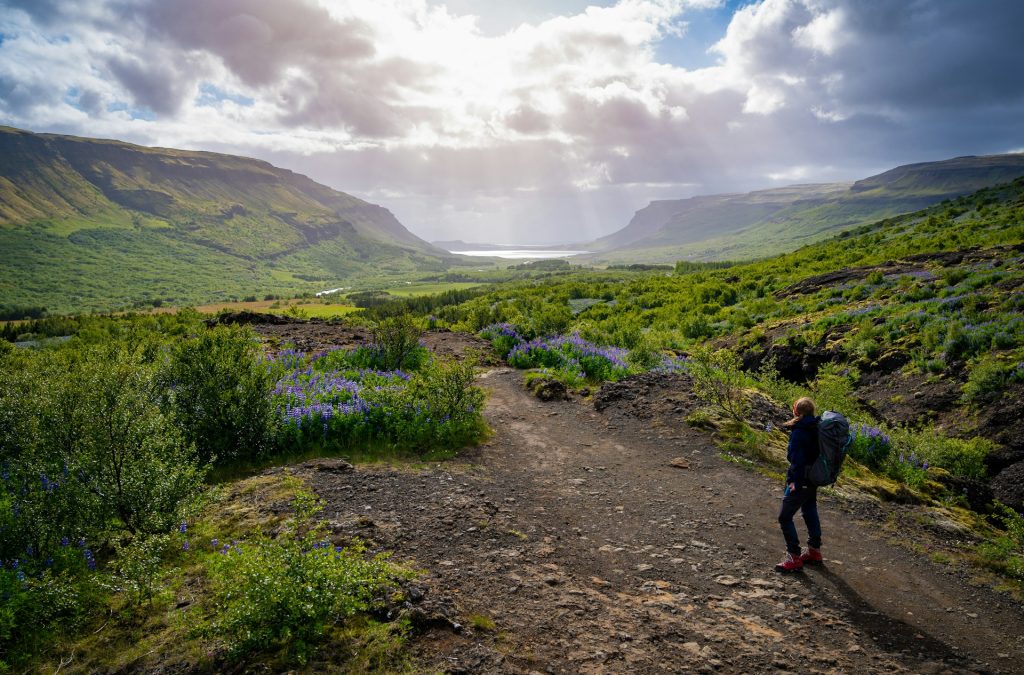
Iceland places strong emphasis on protecting its fragile environment. Large areas of the country are protected as national parks and nature reserves, and off-road driving is strictly illegal to prevent damage to moss and volcanic soil that can take decades to recover. Visitors are encouraged to stay on marked paths, respect closures, and follow local guidelines. These conservation efforts help ensure Iceland’s landscapes remain unspoiled for future generations.
Best Time to Visit Iceland for Landscape Photography
The best time to visit Iceland for landscape photography depends on what you want to capture. Summer offers long daylight hours, green landscapes, lupine flowers, and easy access to most regions, including the Highlands. Winter transforms Iceland into a frozen world of snow, blue ice caves, and Northern Lights, though access is more limited. Spring and autumn provide dramatic contrasts, fewer crowds, and changing colors, making them ideal for photographers looking for variety.
FAQs About Iceland Landscapes
-
- What is the landscape of Iceland like?
Iceland’s landscape includes volcanoes, glaciers, lava fields, waterfalls, black sand beaches, geothermal areas, mountains, and fjords, all shaped by volcanic activity and ice.
- What is the landscape of Iceland like?
-
- Why is Iceland so beautiful?
Iceland’s beauty comes from its dramatic contrasts, raw natural forces, and constantly changing scenery created by volcanoes, glaciers, and shifting tectonic plates.
- Why is Iceland so beautiful?
-
- What is the most famous landscape in Iceland?
Some of the most famous landscapes include Vatnajökull glacier, Gullfoss waterfall, Reynisfjara black sand beach, the Highlands, and glacier lagoons like Jökulsárlón.
- What is the most famous landscape in Iceland?
-
- Is Iceland very expensive to visit?
Iceland can be expensive compared to many destinations, but costs can be managed by self-driving, booking accommodation and rental cars in advance, and planning routes efficiently.
- Is Iceland very expensive to visit?
-
- What is the girl to guy ratio in Iceland?
The gender ratio in Iceland is almost perfectly balanced. Women slightly outnumber men, with roughly 49.7 percent male and 50.3 percent female. In daily life and travel, the difference is barely noticeable and does not affect the visitor experience.
- What is the girl to guy ratio in Iceland?
-
- What is the biggest predator in Iceland?
Iceland has no large land predators. The biggest native predator is the Arctic fox, which is small and poses no danger to humans. There are no bears, wolves, or other large carnivores living in Iceland.
- What is the biggest predator in Iceland?
-
- Was Harry Potter filmed in Iceland?
No, the Harry Potter films were not filmed in Iceland. While many of Iceland’s landscapes resemble fantasy settings, filming for the Harry Potter movies primarily took place in the UK and select international locations outside Iceland. That said, Iceland has been used as a filming location for other major productions, including Game of Thrones and several science fiction films.
- Was Harry Potter filmed in Iceland?
Explore the Natural Beauty of the Iceland Landscape
From volcanic terrain and vast lava fields to towering waterfalls, glaciers, black sand beaches, and remote highland wilderness, the landscapes of Iceland are unlike anywhere else in the world. The country’s unique geology and constantly changing environment mean that no two journeys look exactly the same.
Seeing as much of Iceland’s landscape as possible comes down to access, timing, and preparation. Many of the most impressive natural sights are spread across long distances, and conditions can change quickly depending on season and location. Having the right vehicle allows you to explore more freely, adapt to weather and road conditions, and reach areas that are not accessible on fixed itineraries.
With decades of local experience, Hertz Iceland helps travellers choose vehicles suited to Iceland’s terrain, seasons, and routes. With thoughtful planning and the right car, exploring Iceland’s landscapes becomes not only easier, but far more rewarding.