Understanding Iceland travel costs is one of the most important parts of planning a trip. In this 2026 travel budget guide, we break down the average cost to travel to Iceland, explain why prices fluctuate, and show exactly how much you should budget for flights, accommodation, food, rental cars, fuel, and activities.
As Iceland’s local car rental provider, Hertz Iceland works with travelers planning real road trips across the country every day. Because transportation is one of the largest contributors to the overall cost of travel in Iceland, we see firsthand how seasonal demand, vehicle choice, mileage, fuel prices, and new policies like the 2026 kilometer-based road tax affect what visitors actually pay. The cost ranges in this guide are based on current market pricing and real booking patterns, not generic averages or outdated estimates.
Iceland is famous for its dramatic landscapes and unique cultural heritage, and it also has a reputation for being expensive. While that reputation is largely accurate, Iceland’s travel costs are usually predictable once you understand where the money goes. With realistic expectations and careful planning, it is possible to budget confidently and avoid unexpected expenses. For many itineraries, self-drive travel offers the best balance of cost, flexibility, and access to Iceland’s free natural attractions.
Table of Contents
- Iceland Travel Cost Summary
- Accommodation Costs
- Food Costs
- Transportation Costs
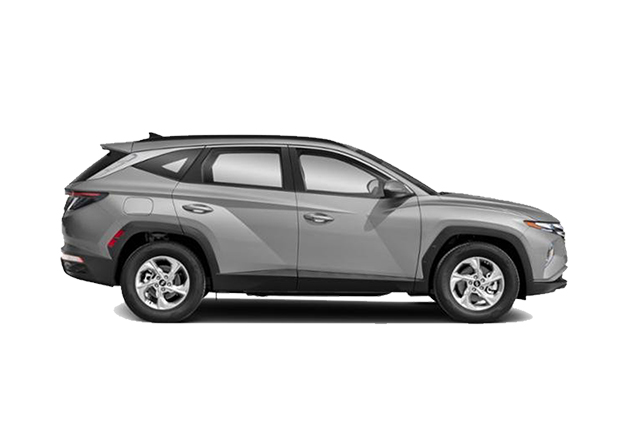
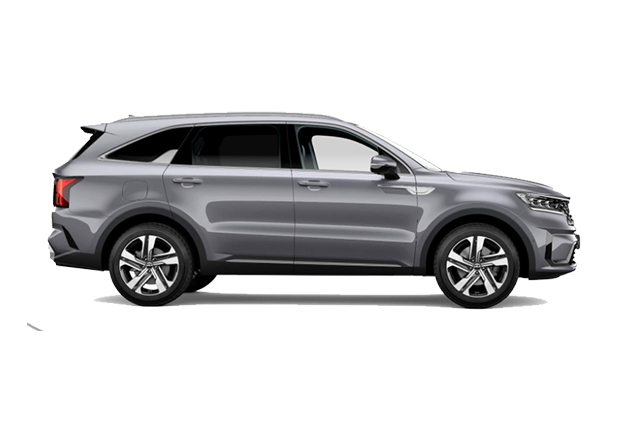
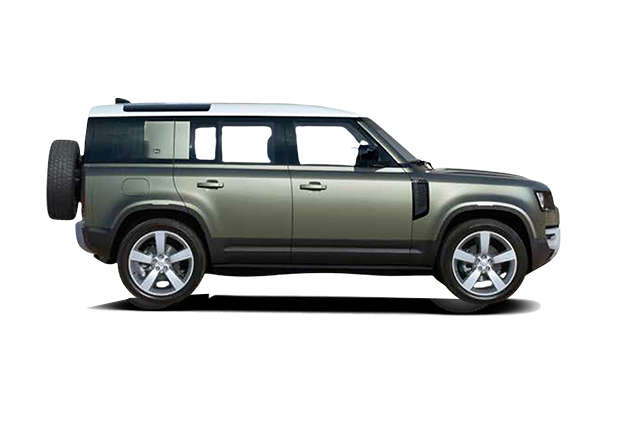
- Rental Car Costs
- Fuel Costs
- Attraction Costs
- Flight Costs
- What Impacts Travel Costs in Iceland?
- Budget Saving Tips
- Frequently Asked Questions

Iceland Travel Cost Summary (2026 Estimates)
Based on average daily spending per person (excluding flights).
| Expense Category | Shoestring Budget (Backpacker/Camper) | Mid-Range Budget (Couples/Families) | Luxury Budget (Premium Hotels/Tours) |
| Accommodation | 7,000 – 15,000 ISK | 22,000 – 45,000 ISK | 55,000+ ISK |
| Food & Dining | 3,000 – 5,000 ISK (Groceries) | 7,000 – 12,000 ISK (Eating out once/day) | 25,000+ ISK (Fine dining) |
| Transport (Car + Fuel) | 9,000 – 14,000 ISK (Small 2WD) | 16,000 – 28,000 ISK (Med SUV) | 40,000+ ISK (Large 4X4) |
| Activities | Free nature sites, low-cost stops | 5,000 – 15,000 ISK | 30,000+ ISK |
| Total Daily Cost | ~18,000 – 30,000 ISK (Approx $144 – $240 USD) | ~40,000 – 65,000 ISK (Approx $320– $520 USD) | ~120,000+ ISK (Approx $960+ USD) |
These ranges assume advance booking. If you book late in peak summer or travel during the solar eclipse week in August 2026, costs can increase significantly.

Now, let’s break down the costs of each aspect of a trip to Iceland so you can effectively budget how much you will need to spend.
Accommodation Costs in Iceland
Different types of accommodation are available in Iceland, from hostels and guesthouses to hotels and apartments. Prices vary by season and by location.
Hotels
- Summer: ISK 22,000–45,000 ($176–360) per person (private room)
- Winter: ISK 15,000–30,000 ($120–240) per person
Premium hotels can go higher, especially in peak summer and during high-demand weeks.
Hostels
- Summer: ISK 7,000–18,000 ($56–144) per person
- Winter: ISK 5,000–12,000 ($40–96) per person
Hostels in Iceland can be more expensive than in many other countries, but they are still one of the best value options.
AirBnb
- Shared space: ISK 7,000–15,000 ($56–120) per person
- Entire unit: ISK 20,000–50,000+ ($160–400+) per night, depending on size, location, and season
Camping
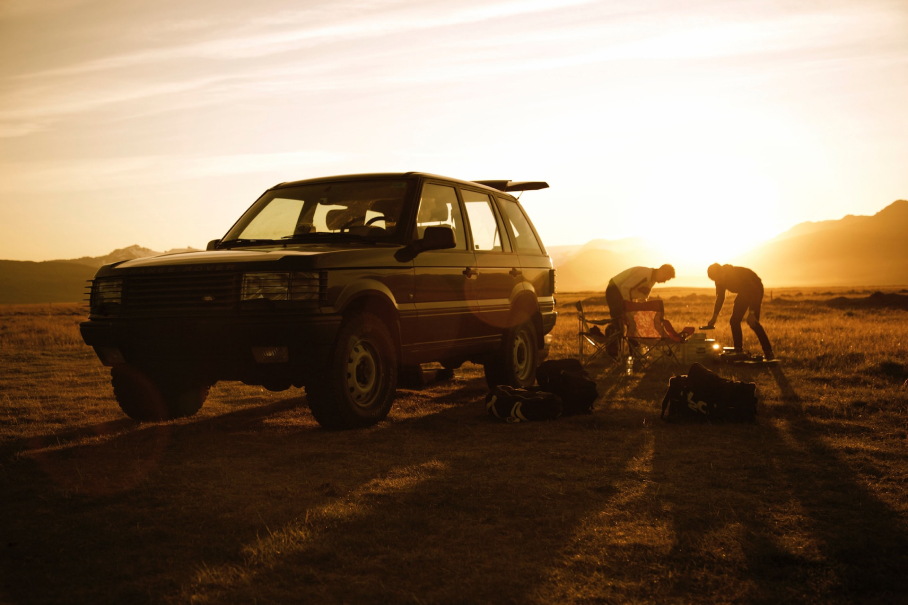
Camping in Iceland is a great way to experience the country. For campervans or tenting, the cost for a campsite is between ISK 1,508 ($10) and ISK 4,000 ($32) per person, per night. Camping during winter in Iceland is not recommended due to severe weather and limited campsite availability. But during the summer in Iceland, it’s one of the most inexpensive accommodation options.
Food Costs in Iceland
Food in Iceland can be expensive compared to many European destinations. Many travelers say food is where they overspend without realizing it. Here is a breakdown of the average cost of food in Iceland so you know what to expect.
- Groceries only: ISK 2,500–4,000 ($20–32) per day (Check out our Iceland grocery guide here).
- Restaurant meal: ISK 7,000–12,000 ($56–96) per meal
- Fine dining: ISK 15,000–20,000+ ($120–160) per meal
Cheaper options still exist:
- Casual meals can cost around ISK 5,000–8,000 ($40–64)
- Icelandic hot dogs are still one of the best-value meals, often around ISK 800–1,200 ($6.50–9.60), depending on location
Transportation Costs in Iceland
Public transportation in Iceland is limited outside Reykjavík and is not designed for flexible sightseeing. City buses in Reykjavík cost around ISK 570–650 per ride, while long-distance buses, which mainly operate in summer, typically cost ISK 5,000–12,000 one way depending on distance. Taxis are available in cities and at the airport, but they are expensive, with short city rides often costing ISK 3,500–6,000 and airport transfers between Keflavík and Reykjavík usually ranging from ISK 18,000–25,000.
Guided tours are a common option for visitors who prefer not to drive. Popular day tours such as the Golden Circle or South Coast generally cost ISK 19,000–30,000+ per person, depending on the tour type and season. While tours include transportation and a guide, booking multiple tour days can quickly increase the overall cost of travel in Iceland.
For most itineraries, renting a car offers the best balance of cost and flexibility. Many of Iceland’s most famous natural attractions are free to visit, and self-drive travel allows you to reach them without paying daily tour fees. For longer trips or multi-stop routes, rental cars are often more economical overall, especially when costs are shared between travelers. Detailed rental car and fuel costs are covered in the following sections.
Rental Car Costs in Iceland
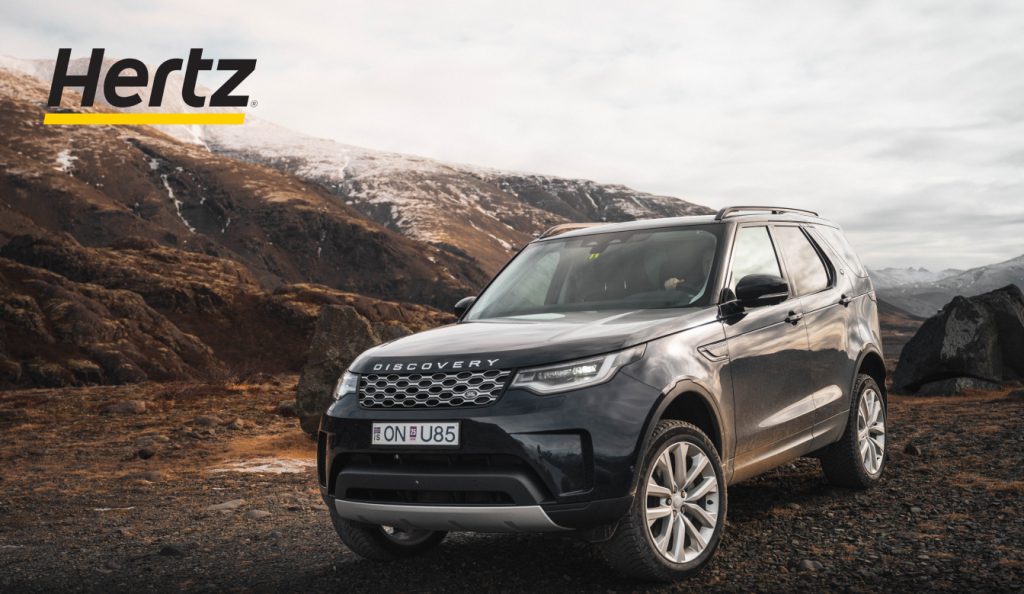
Rental cost varies based on vehicle type, season, and how early you book. Budgeting by category is more accurate than relying on one specific model.
Average Daily Rental Prices
| Vehicle Type | Summer (Jun – Aug) | Winter (Oct – Apr) | Best for |
| Small 2WD | ISK 14,000–22,000 | ISK 9,000–14,000 | Reykjavik, Golden Circle, summer road trips |
| Compact 4WD | ISK 18,000–30,000 | ISK 13,000–22,000 | Ring Road, mixed conditions |
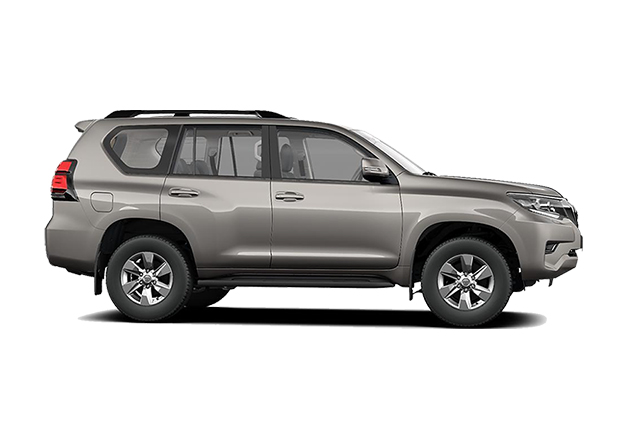
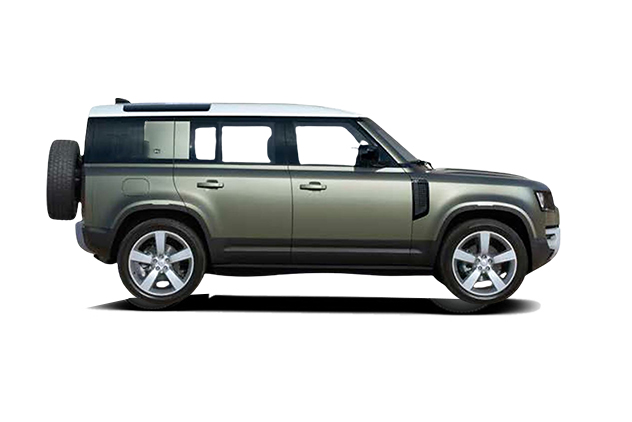
| Mid-Size SUV 4WD | ISK 22,000–38,000 | ISK 16,000–28,000 | Winter travel, comfort, longer trips |
| Large 4X4 | ISK 35,000–65,000 | ISK 28,000–50,000 | Highlands, groups, heavy luggage |
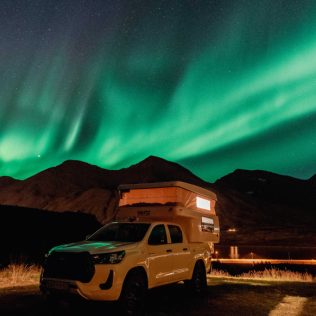
| Campervan | ISK 18,000–45,000 | Limited | Transport + accommodation combined |
Kilometer-Based Road Tax and Fuel Prices
As of January 1, 2026, Iceland has introduced a kilometer-based road usage tax (kílómetragjald). Instead of funding roads mainly through fuel taxes, drivers now pay based on how far they drive.
For rental cars, this tax is applied per kilometer driven and appears as a separate, itemized charge on your rental agreement and final invoice. The charge includes the mandatory government road tax and a small administrative service fee handled by the rental company. Renters do not need to register or report anything themselves.
The good news is that fuel prices have dropped as a result of this change, since taxes have been shifted away from the pump. For most travelers, overall driving costs remain predictable and often similar to previous years, especially for standard itineraries like the Golden Circle or Ring Road.
This road tax covers public road usage only. Tunnel tolls, parking fees, entrance fees for attractions and lagoons, and traffic fines are still charged separately and should be budgeted for as before.
How’s Hertz Iceland handling the new road tax in 2026?
Official Hertz Iceland Road Tax Policy (2026)
To comply with the Icelandic national mandate effective January 1, 2026, Hertz Iceland has implemented a transparent usage-based billing system. This ensures that travelers only pay for the actual distance driven, replacing the previous flat fuel-tax model.
✔ Mandatory Kilometer-Based Fees
| Government Road Tax | 6.95 ISK / km |
| Hertz Service Fee | 1.40 ISK / km (+ VAT) |
*Estimated total: ~0.067 USD per km. Billing is calculated based on the official odometer reading at the time of vehicle return.
Need Clarification? Our dedicated tax department is available to assist with billing inquiries or technical questions regarding the new Icelandic regulations.
Email: roadtax@hertz.is
Fuel Costs in Iceland
Fuel prices in Iceland fluctuate and are priced per liter in Iceland. Gas prices in Iceland have dropped significantly following the introduction of the new kilometer-based road usage tax. Because road funding is no longer built primarily into fuel prices, petrol and diesel are now noticeably cheaper at the pump than in previous years.
As of early 2026, the current average prices are:
- Gasoline: around ISK 183 per liter
- Diesel: around ISK 204 per liter
For context, average fuel prices previously hovered closer to ISK 300 per liter or more, making this a substantial reduction. While drivers now pay a separate per-kilometer road tax through their rental agreement, lower pump prices help balance overall driving costs for most travelers.
Fuel prices can fluctuate, so for live, up-to-date gas prices across Iceland, travelers can check bensinverd.is, which tracks current rates by station and region.
Attraction Costs in Iceland
Many of Iceland’s most iconic places are free to visit, but it is smart to budget for parking fees, museums, and a few paid experiences.
Free Attractions and Low-Cost Stops
Most Iceland waterfalls, beaches, viewpoints, and hikes do not have an entrance fee, including many Ring Road highlights. You may have to pay for parking, which can range from ISK 750–1,500 at popular sites. These fees can be common along the Golden Circle and the South Coast, but they vary based on the location. Take a look at our Iceland parking guide for more information.
Shopping Costs in Iceland
Shopping and souvenir costs in Iceland can vary significantly, especially in Reykjavik and popular tourist areas. Here are some average prices you can expect when shopping in Iceland.
- Icelandic wool sweater: ISK 10,000–35,000, depending on quality and design
- Small souvenirs (postcards, keychains): ISK 500–4,000
- Better-value shopping often comes from local markets such as Kolaportið in Reykjavik rather than tourist-heavy shops.

Entrance Fees for Popular Tourist Spots
Some of Iceland’s popular tourist spots do have entrance fees. Here are some to keep in mind:
- Perlan Museum (Reykjavik): around ISK 6,890 per adult
- Whale Museum (Húsavík): around ISK 2,500 per adult
- Blue Lagoon: often starts around ISK 12,000+ for standard entry, depending on package and date
- Ice Caves (tour required): starts around ISK 21,000+
Many natural sites like Reynisfjara black sand beach are free to visit, but popular paid attractions and spas are best booked in advance during peak season.
Cost of Flights to Iceland
Flight pricing depends heavily on season, booking time, and where you are flying from. In the summer, when crowds are always at their highest, flight tickets from North America to Iceland typically cost between ISK 84,504 ($600) and ISK 211,260 ($1,500), while flights from Europe would cost between ISK 60,203 (€400) and ISK 135,457 (€900).
During the offseason in winter, flight tickets from North America to Iceland typically cost between ISK 70,420 ($500) and ISK 169,008 ($1,200), while flights from Europe would cost between ISK 30,101 (€200) and ISK 90,304 (€900).
- Read more about Iceland flights in our airlines, airports, and destinations guide.
Calculating the Cost of Traveling in Iceland: Why Iceland Travel Costs Vary
Several factors can influence how much you will spend on your trip to Iceland, including the time of year you visit, how you travel, and how many paid experiences you add. These factors are worth understanding because they explain most price swings.
Seasonality
- High Season (June–August): Prices for hotels and rentals peak. Note for 2026: A total Solar Eclipse will occur on August 12, 2026. Expect extremely high demand and prices during this week. We strongly recommend booking 6–12 months in advance for August 2026.
- Shoulder Season (May & Sept): Moderate prices with good weather and easier availability.
- Low Season (Oct–April): Often 30–50% cheaper. Winter conditions can require a 4×4 and more flexibility due to weather. Christmas and New Year are typically more expensive than the rest of winter.
Summer increases prices across most categories due to demand. Winter can be cheaper, but your vehicle choice matters more and weather buffers are smart.
Traveling Method and Travel Style
How you travel affects costs significantly. Tours are convenient, but if you book multiple days, the total adds up quickly. Renting a car often provides better value because many of Iceland’s top attractions are free to enter, and self-driving gives you far more flexibility.
Stay Duration
Longer stays increase total costs, but they can reduce daily costs if you get multi-day rental discounts and spread fixed expenses over more days. Short trips are often the most expensive per day.
Group Size
Traveling with others is one of the easiest ways to reduce per-person costs in Iceland. Sharing accommodation, rental cars, fuel, and groceries can make a noticeable difference. This is one reason families and small groups often spend less per person than solo travelers.
Type of Experience
Your budget mostly comes down to what you prioritize. Nature-heavy itineraries with lots of free stops are cheaper than trips packed with lagoons, tours, and restaurant meals. Iceland can work for both styles, but the costs will reflect your choices.
Iceland Budget Saving Tips
Despite having a reputation for being an expensive destination, there are several ways that you can save money on your trip to Iceland.
- Last-minute summer bookings can be 30–60% higher
- One-day car rentals often cost more per day than multi-day rentals
- If you want to explore the Iceland Highlands, May and September usually offer the best value for weather, access, and pricing.
- Book all your travel essentials early, since flights and car rentals ae the most sensitive to demand spikes.
- Cooking some of your meals is one of the most effective ways to reduce spending. Many accommodations have kitchens, and grocery stores are accessible everywhere.
- Choose self-drive travel where possible. Many Iceland attractions are free to access, but hard to get to without a rental car. Tours are great, but doing them every day adds up quickly.
- Be selective when choosing paid experiences. Choose one or two standout experiences like a lagoon, glacier tour or whale watching, and then fill the rest of your itinerary with free nature stops.
- Use the duty-free shop at the airport when you arrive. Alcohol is expensive in Iceland, so purchasing it from the duty-free store can reduce costs significantly.
- Bring a reusable water bottle with you. Tap water is safe in Iceland, and bottled water is an unnecessary expense.
- Split your costs with others. Sharing accommodation, cars and fuel can make a big difference.
- Try the food halls and local markets. Reykjavik food halls can offer better value than sit-down restaurants while still allowing you to sample local Icelandic food.
- Look for “Tax-Free Shopping” signs, since purchases above minimum thresholds can qualify for refunds at the airport.
Iceland Travel Cost FAQs
-
- Is Iceland expensive for tourists?
Yes. Iceland is considered an expensive destination, especially for accommodation, food, and transportation. However, many natural attractions are free, and with planning, Iceland travel costs are predictable and manageable.
- Is Iceland expensive for tourists?
-
- How much should I budget for 7 days in Iceland?
Most travelers should budget ISK 300,000–550,000 per person for 7 days, excluding flights. This assumes a self-drive trip with mid-range accommodation, mixed dining, and a few paid activities.
- How much should I budget for 7 days in Iceland?
-
- How much money should I take to Iceland for 4 days?
For a 4-day trip, budget ISK 160,000–300,000 per person, excluding flights. Short trips often have a higher daily cost due to accommodation and transportation expenses.
- How much money should I take to Iceland for 4 days?
-
- What is the average cost of a trip to Iceland?
The average cost of travel in Iceland is ISK 40,000–65,000 per person per day, excluding flights. This reflects a mid-range Iceland travel budget.
- What is the average cost of a trip to Iceland?
-
- Do I need cash in Iceland?
No. Iceland is almost entirely cashless. You can pay for everything—from parking meters to public toilets—with a credit card, Apple Pay, or Google Pay.
- Do I need cash in Iceland?
-
- Is water free in Iceland?
Yes! Never buy bottled water. Icelandic tap water is some of the cleanest in the world. Bring a reusable bottle and fill it up at any tap for free.
- Is water free in Iceland?
-
- Is Iceland expensive to visit in 2026?
Yes, Iceland remains a premium destination. However, the exchange rate has been relatively stable. By traveling in the shoulder season (May or September) or choosing a campervan, you can significantly reduce daily costs.
- Is Iceland expensive to visit in 2026?
-
- Is the Blue Lagoon worth the cost?
It depends on what you want. Many visitors love it, but it is not required for a great Iceland trip. There are other geothermal options at different price points.
- Is the Blue Lagoon worth the cost?
-
- How does the 2026 Road Tax work for tourists?
It is simple. You pick up your car as usual with unlimited mileage included. At the end of your trip, the tax is calculated based on the exact distance you drove (approx 6.95 ISK per km + service fee) and charged via your rental agreement. This ensures you only pay for the road usage you actually consume.
- How does the 2026 Road Tax work for tourists?
Cost Guide to Iceland
This cost guide to Iceland has provided detailed information on how much it costs to go to Iceland, along with key details on the average cost of trip essentials and factors that could cause those prices to change throughout the seasons. By following our tips on the best ways to save money while on vacation in Iceland, you can keep your trip within your budget, regardless of what that is.
One of the best ways to save money on your trip to Iceland is to book a rental car online and in advance with Hertz Iceland to lock in the rental rate before it fluctuates. By securing your rental car prior to your trip, you can ensure you get the best deal and the perfect vehicle to explore the wondrous landscapes of Iceland.