2026 Update: Cost of Living Snapshot
As of 2026, Iceland remains one of the most expensive countries in Europe, with overall prices for many goods and services significantly higher than the EU average. For a single person, a realistic estimate of the cost of living in Iceland is around 375,000–560,000 ISK per month (about 3,000–4,500 USD) including rent, food, transport, and basic leisure, depending on lifestyle and housing choices. A family of four should plan for approximately 580,000–890,000 ISK per month (roughly 4,700–7,200 USD), especially in the capital area. Recent years have seen strong housing demand and rising rents in Reykjavik and the surrounding municipalities, while inflation has kept everyday prices such as groceries and services on an upward trend.
Iceland is a small island country in the North Atlantic, known for its stunning natural beauty, including glaciers, volcanos, and waterfalls. The population of Iceland as of June 2025 is 397,929, with immigrants making up around 19% of the population. The majority of people in Iceland live in the capital of Reykjavik, and the surrounding areas.
Living in Iceland can be both challenging and rewarding. The cost of living is relatively high, especially when it comes to housing, food, and transportation. However, Iceland also has a high standard of living, with excellent healthcare and education systems, a low crime rate, and a strong social safety net.
While daily life here comes with realities like harsh winters and limited daylight, many locals will tell you there’s nowhere else they’d rather be. They value the peaceful atmosphere, the cold, fresh air, the high-quality tap water, the warm public swimming pools, and the unique beauty of Iceland’s ever-changing light. And when summer arrives, with its long days and countryside escapes, the hardships of winter are often quickly forgotten.
If you’ve fallen in love with Iceland during a visit or are thinking about moving here, this guide offers a closer look at what living in Iceland is really like, with a special focus on the cost of living in Iceland and what it actually feels like in everyday life.
Table of Contents
- What Is It Like Living in Iceland?
- Cost of Living in Iceland
- Healthcare and Education in Iceland
- Job Opportunities in Iceland
- Moving to Iceland as an LGBTQ+ Person
- Living in Iceland Pros and Cons
- Frequently Asked Questions
What Is It Like Living in Iceland?
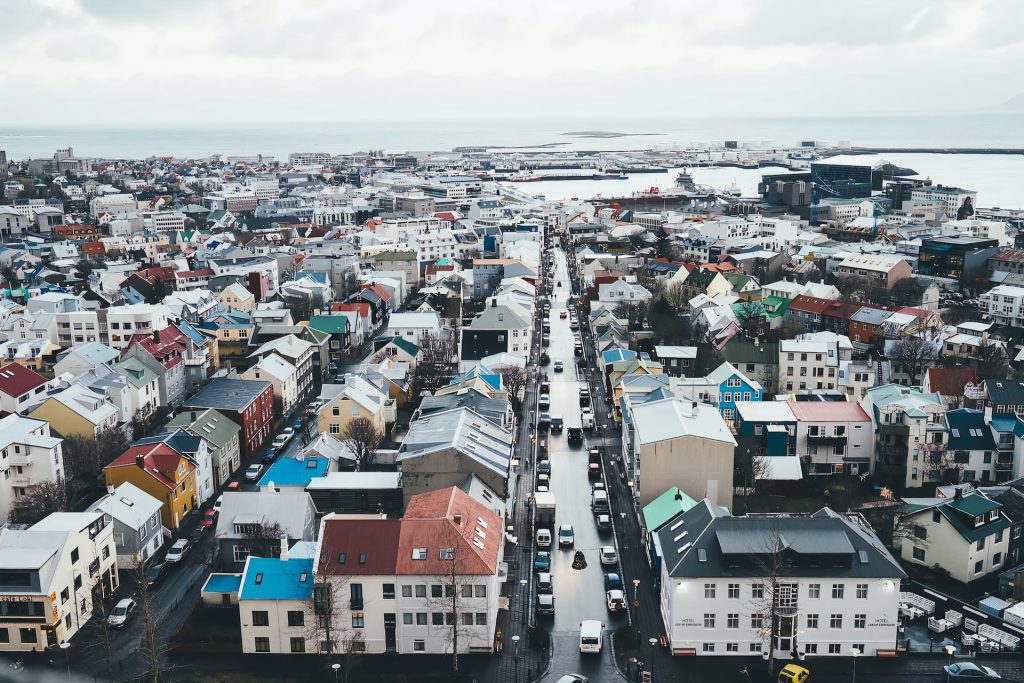
Living in Iceland is something many people dream about, and for good reason. The country is known for its high quality of life, safety, and overall happiness. Iceland regularly ranks among the best places in the world for healthcare, education, and living standards. Many residents say the fresh air, clean water, and beautiful landscapes play a big role in the sense of well-being here.
The economy is stable, offering good opportunities for work and personal growth. Even though Iceland is small, it has a lively cultural scene. Music, literature, and the arts are a big part of daily life, with festivals, concerts, and exhibitions happening all year round.
If you enjoy the outdoors, Iceland has a lot to offer. You can hike across incredible landscapes, ski during the winter, or relax in natural geothermal hot springs. Glaciers, volcanoes, and waterfalls are never far away and are part of what makes the country so unique.
Iceland is also one of the safest countries in the world, with a low crime rate and a welcoming, close-knit community. However, living here does come with challenges. The cost of living in Iceland is high, and expenses like housing, groceries, and transportation can be much steeper than in many other places. Even so, many people feel the benefits of living in Iceland, like the peaceful environment and strong sense of community, make it all worth it.
Cost of Living in Iceland
There are several reasons why the cost of living in Iceland is high. Iceland is a small island country with a small population, making imported goods and services relatively expensive. The country’s remote location and harsh climate also contribute to higher prices, as transporting goods to and from the island can be difficult and costly.
Iceland also has a high standard of living and a well-developed welfare system, which requires a higher tax burden on residents and businesses. This means that prices for goods and services in Iceland are generally higher than in many other countries. Finally, Iceland’s tourism industry has boomed in recent years, which has driven up prices for accommodation, dining, and activities as demand has increased.
If you are evaluating living in Iceland pros and cons, it’s important to understand Iceland living expenses per month in a realistic way, especially if you plan to base yourself in the capital area where the cost of living in Reykjavik is usually the highest in the country.
Average Monthly Salary in Iceland
The average monthly salary of a working person in Iceland in 2025 is approximately 758,000 Icelandic krona (ISK), which is around 5,997 USD or 5,249 EUR before tax. Salaries in Iceland can vary significantly, ranging from as low as 450,000 ISK (about 3,560 USD or 3,116 EUR) to as high as 1,600,000 ISK (roughly 12,676 USD or 11,080 EUR) or more according to Statistics Iceland. The actual monthly earnings of an individual heavily depend on their education level, industry, and experience.
More recent 2026 data suggests the average gross monthly salary is around 800,000–980,000 ISK, with a median take‑home pay after tax and pension contributions close to 540,000 ISK (about 4,400–4,900 USD), depending on exchange rates. This means that, for many working professionals, the question “is Iceland expensive to live in” is closely tied to what you will actually earn and how far that salary stretches against rent, food, and transport.
However, it is essential to consider Iceland’s high-income tax rates, which can substantially impact take-home pay. The progressive tax system means that higher earners will see a larger percentage of their income taxed, supporting the country’s robust social services and high quality of life.
Tax System and High Income Tax in Iceland
Iceland’s tax system is progressive, with higher income earners paying a higher percentage of their earnings in taxes. As of 2026, the personal income tax in Iceland is divided into three brackets (including both state and average municipal tax):
- 31.49% on income from 0 up to 498,122 ISK per month.
- 37.99% on income from 498,123 ISK to 1,398,450 ISK per month.
- 46.29% on income exceeding 1,398,450 ISK per month (only on the amount above this threshold).
These rates include both national and municipal income tax; the municipal part averages 14.94% but varies slightly by municipality. Each individual is entitled to a personal tax credit of 72,492 ISK per month in 2026, which reduces the final tax bill and can be transferred to a spouse if unused.
In addition to income tax, Iceland imposes a capital gains tax of 22%, and corporate income is taxed at 20% for limited liability companies. Employees must also contribute 4% of their gross income to a mandatory pension fund, with employers contributing an additional 11.5%.
Despite the high tax rates, Iceland offers extensive public services, a high standard of living, and strong social support systems, funded by these tax revenues. High earners contribute significantly, but the benefits of living in Iceland, including excellent healthcare, education, and social welfare programs, often outweigh the financial burden.
Housing Rental Average Price in Iceland
Housing costs in Iceland can vary significantly depending on the location and type of accommodation. Here’s a breakdown of rental prices in 2025:
- Reykjavik (Expensive Area):
- 1-bedroom apartment: 275,476 ISK ($2,176 USD/€1,901)
- 3-bedroom apartment: 395,541 ISK ($3,125 USD/€2,729)
- Reykjavik (Normal Area):
- 1-bedroom apartment: 252,500 ISK ($1,994 USD/€1,743)
- 3-bedroom apartment: 341,272 ISK ($2,696 USD/€2,355)
- Akureyri:
- 1-bedroom apartment: 220,00 ISK ($1,738 USD/€1,518)
- 3-bedroom apartment: 263,000 ISK ($2,078 USD/€1,815)
More recent market analyses show that average rents per square metre are highest in Reykjavik, followed by Kópavogur and Hafnarfjörður in the capital region, with Akureyri slightly cheaper but still above the national average. If you are comparing rent in Iceland per month between cities, these differences matter a lot for your monthly budget and overall cost of living in Iceland.
Cost of Living in Reykjavik vs Other Icelandic Cities
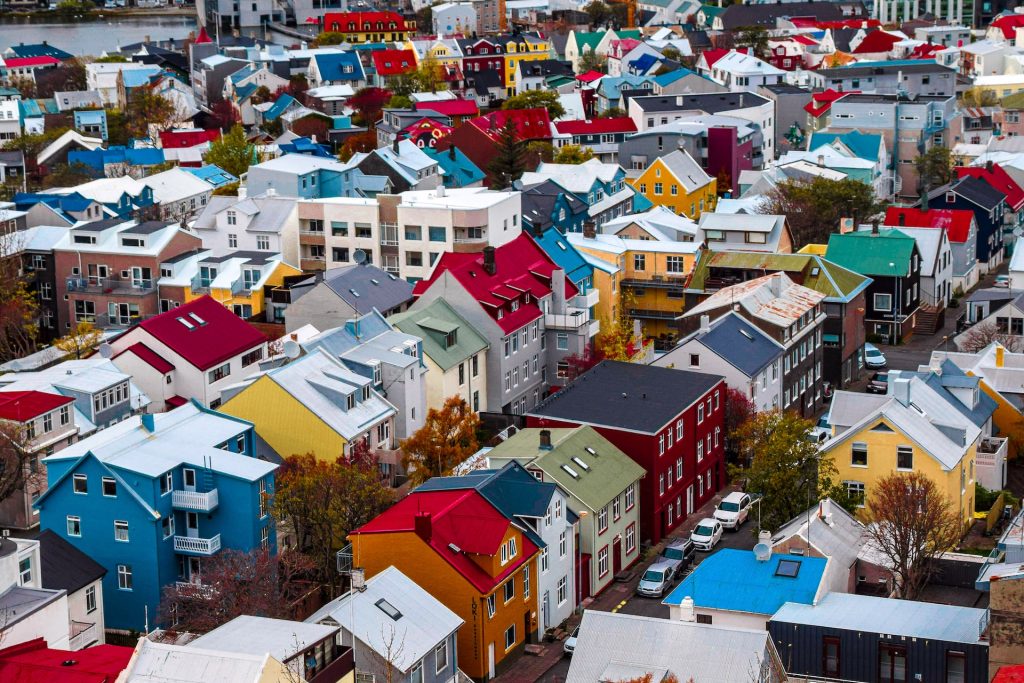
To understand the cost of living in Reykjavik compared to other Icelandic cities, it helps to look at rent, transport, and typical meal prices side by side.
| City | 1-Bedroom Rent (ISK/month) | Monthly Transport (ISK) | Avg Meal Cost (ISK) |
| Reykjavik (city centre) | 260,000–300,000 (≈ 2,000–2,350 USD) | 11,200–15,000 (≈ 85–115 USD) | 3,000–4,500 (≈ 24–36 USD) |
| Reykjavik (suburbs) | 200,000–250,000 (≈ 1,550–1,950 USD) | 11,200–15,000 (≈ 85–115 USD) | 2,500–4,000 (≈ 20–32 USD) |
| Akureyri | 150,000–210,000 (≈ 1,150–1,650 USD) | 10,000–13,000 (≈ 75–100 USD) | 2,500–4,000 (≈ 20–32 USD) |
| Hafnarfjörður / Kópavogur | 190,000–240,000 (≈ 1,450–1,900 USD) | 11,200–15,000 (≈ 85–115 USD) | 2,800–4,200 (≈ 22–34 USD) |
(Values based on 2025–2026 averages; ranges reflect different neighbourhoods and apartment conditions.)
In general, the cost of living in Reykjavik is the highest in the country, especially in the city centre, and will particularly impact your housing budget if you want your own apartment. Suburban Reykjavik, Hafnarfjörður, and Kópavogur can be slightly more affordable while still offering easy access to the capital’s jobs and culture, which suits families and professionals who want space without leaving the capital region. Akureyri and other regional towns often work better for people who prefer a quieter lifestyle, lower rent in Iceland per month, and don’t mind a smaller job market.
If you want to get a feel for different cities before committing, you can explore the top 9 cities and towns in Iceland and use a rental car to compare neighbourhoods in person.
Minimum Monthly Income Needed to Live Comfortably in Iceland
When people ask “is Iceland expensive to live in,” they are really asking what monthly income is required for a comfortable life. Below is a rough estimate of Iceland living expenses per month in the Reykjavik area, and the gross salary you would typically need to cover them. Figures include rent, food, transport, utilities, and modest leisure
| Household Type | Estimated Monthly Expenses (ISK) | Minimum Salary Needed (gross ISK) |
| Single person | 375,000–560,000 (≈ 3,000–4,500 USD) | 550,000–750,000 |
| Couple (no children) | 490,000–670,000 (≈ 4,000–5,450 USD) | 750,000–1,000,000 (combined) |
| Family of 4 | 580,000–890,000 (≈ 4,700–7,200 USD) | 900,000–1,200,000 (combined) |
These ranges assume renting a modest apartment, cooking at home regularly, using public transport or one car, and enjoying simple leisure activities rather than luxury spending. As of early 2026, effective minimum wages negotiated in collective agreements for full‑time roles are in the 513,000–550,000 ISK gross per month range, while the average salary in Iceland is around 800,000–980,000 ISK gross depending on sector and region.
This means that living alone in Reykjavik on an entry-level wage can feel tight and may require house‑sharing to keep the cost of living in Reykjavik manageable. Couples or families with one or two average Icelandic salaries will generally find day‑to‑day expenses manageable, though saving for big goals like buying a home can still take time.
Average Food Prices in Iceland
Iceland food can also be quite expensive, especially if you prefer to eat out:
- Cheap fast-food meal per person: ≈ 2,500 ISK ($20 USD/€17)
- Cheapest small Domino’s Pizza ≈ 1,890 ISK ($15 USD/€13)
- Dinner at a mid-range restaurant per person ≈ 9,000 ISK ($71 USD/€62)
- Dinner at a finer restaurant per person≈ 12,000 ISK ($95 USD/€83)
If you are willing to cook at home and shop at local grocery stores, you can save money; here is a food price average from grocery stores in Iceland:
- 1 litre milk ≈ 220-300 ISK ($1.57–$2.14 USD/€1.47–€2.00)
- 1 kg apples/oranges/bananas ≈ 325-500 ISK ($2.32–$3.57 USD/€2.17–€3.33)
- 1 loaf of bread ≈ 400 ISK ($2.86 USD/€2.67)
- 12 eggs ≈ 696-800 ISK ($4.97–$5.71 USD/€4.64–€5.33)
- 1 kg tomatoes ≈ 590 ISK ($4.21 USD/€3.93)
- 1 kg potatoes ≈ 375 ISK ($2.68 USD/€2.50)
- 500 g cheese ≈ 1,200 -1,500 ISK ($8.57–$10.71 USD/€8.00–€10.00)
- 1 kg ground beef ≈ 4,000 ISK ($28.57 USD/€26.67)
- 1 kg Icelandic lamb ≈ 3,000-6,000 ISK ($21.43–$42.86 USD /€20.00–€40.00)
- 1 kg chicken ≈ 1,800-2,900 ISK ($12.86–$20.71 USD/€12.00–€19.33)
These prices can vary slightly by supermarket and season, but they give a good sense of why many people planning to move ask about food prices in Iceland when calculating their budget.
Monthly Grocery Budget Example for Iceland
To make the numbers more concrete, here is a sample weekly shopping basket for one person who mostly cooks at home. Prices use typical 2025–2026 supermarket ranges in Iceland.
Example weekly basket for one person
- 2 litres milk: 500–600 ISK (≈ 4–5 USD)
- 1 loaf of bread: 400–600 ISK (≈ 3–5 USD)
- 10 eggs: 600–750 ISK (≈ 5–6 USD)
- 1 kg chicken: 2,000–2,800 ISK (≈ 16–23 USD)
- 500 g minced beef: 2,000 ISK (≈ 16 USD)
- 1 kg potatoes: 350–450 ISK (≈ 3–4 USD)
- 1 kg mixed fruit (apples/bananas/oranges): 400–600 ISK (≈ 3–5 USD)
- 1 kg vegetables (carrots/tomatoes/onions mix): 600–900 ISK (≈ 5–7 USD)
- Rice or pasta (1 kg): 250–500 ISK (≈ 2–4 USD)
- Cheese 300 g: 900–1,200 ISK (≈ 7–10 USD)
This basket comes to roughly 8,000–10,000 ISK per week (around 65–80 USD), which translates to approximately 32,000–40,000 ISK per month (260–320 USD) for a minimalist shopper. Many residents, including expats, report realistic monthly grocery spending of 60,000–80,000 ISK (about 490–650 USD) per person once you add snacks, treats, and the occasional takeaway meal.
To keep your Iceland living expenses per month lower, it’s smart to shop mainly at budget‑friendly supermarket chains like Bónus and Krónan, with Nettó somewhere in the middle, and to use premium stores only for specific products or convenience. Cooking at home, buying in bulk when there are discounts, and planning meals around seasonal offers can make a noticeable difference in your cost of living in Iceland.
For more on local cuisine and what to try once you arrive, you can explore this detailed Iceland food guide.
Average Transportation Cost in Iceland
Transportation in Iceland can also be pricey, especially if you need to purchase a car. However, public transportation is available in Reykjavik and some other cities in Iceland, and the monthly bus ticket for an adult is approximately 11,200 ISK (about 90 USD) for adults, with discounts available for youth and elderly.
Iceland car rental options exist for those who want to explore areas outside of the capital, and the rental price depends heavily on the seasons and the length of the rental. Gasoline is also more expensive in Iceland than in many other countries. At the current time of writing it’s at currently at 306 ISK ($2.44 USD/€2.12) per litre. You can check the live Gasoline price in Iceland on this website.
Other expenses in Iceland can include healthcare, insurance, and utilities. Healthcare is cheap for Icelandic citizens and residents; health Insurance is also required for anyone living in Iceland, and utility costs can vary depending on the size of your home and the time of year.
When you are planning moving to Iceland costs, it is worth factoring in at least one major transport cost: either a monthly bus pass or the total cost of owning or renting a car, including fuel, maintenance, insurance, and parking. This transport cost in Iceland will be a regular part of your budget if you live outside the very centre of Reykjavik or in a regional town where a car offers more freedom.

Healthcare and Education in Iceland
Healthcare in Iceland
Iceland boasts a comprehensive and efficient healthcare system, largely funded by the state. Residents enjoy access to a wide range of medical services, though there are costs associated with some aspects of care. Visits to a health center typically cost around 500 ISK (about 3.50 USD / 3.33 EUR) during daytime hours for insured patients, while emergency treatments can vary significantly in price, generally starting from 2,000 ISK (about 14.50 USD / 13.33 EUR). Iceland’s universal healthcare system ensures that most medical services are affordable, but it is essential to register as a resident to access these benefits. Registration grants individuals an ID number, which is necessary for receiving healthcare services.
However, dental care in Iceland is notably expensive compared to other medical services. Routine dental check-ups, procedures, and treatments can be a substantial financial burden, as dental care is not fully covered by the state. A basic examination can cost about 9,000 ISK (about 65 USD / 60 EUR), while a composite filling can cost about 35,000 ISK (about 250 USD / 233 EUR). This high cost often leads residents to seek supplemental dental insurance or to pay out of pocket for significant dental work.
Education in Iceland
Iceland places a strong emphasis on education, providing high-quality schooling from primary levels through to university. Public education is generally free of charge for residents, including tuition at public universities such as the University of Iceland and the University of Akureyri. However, there is an application fee for these institutions, which typically amounts to around 75,000 ISK (about 535 USD / 500 EUR) per academic year.
Private universities, like Reykjavik University, charge tuition fees that can be significantly higher, particularly for international students. These fees can range from 655,000 ISK ($4,700 USD/€4,350) for EU/EEA citizens to around 1,206,000 ISK ($8,600 USD/€8,040) per term for non-EU/EEA students. Despite these costs, Iceland’s education system is renowned for its high standards and is an attractive option for both local and international students
Job Opportunities in Iceland
Iceland has a small but growing job market with a focus on specialized industries. For citizens of the EU, EEA, EFTA, or the Faroe Islands, it’s relatively easy to live and work in Iceland without needing a special work permit. However, if you’re from outside these regions, it can be challenging to get a job due to strict work visa requirements and limited openings for foreign labour.
To qualify, non-EEA applicants usually need:
- A pre-approved job offer in hand
- Expert-level skills in a field where no suitable local or EEA candidate is available
- A university degree or equivalent professional credentials
- Employer support through the application process
Despite the hurdles, there are opportunities in the following sectors:
- Tourism and hospitality: Iceland’s tourism industry remains one of the biggest employers. Jobs are available in hotels, restaurants, tour guiding, and transportation services, especially during peak travel seasons.
- Fisheries and seafood processing: A traditional cornerstone of the economy, the fishing industry offers roles in fishing operations, fish processing plants, and export logistics.
- Renewable energy: With abundant geothermal and hydropower resources, there’s demand for engineers, project managers, and specialists in energy systems and sustainability.
- Technology and innovation: Iceland’s tech sector is growing, particularly in software development, gaming, biotech, and IT services. Some international companies operate in English and actively seek global talent.
- Healthcare and public services: Qualified medical professionals, including nurses and doctors, are in demand. However, proficiency in Icelandic is often required for public-facing roles.
- Education and academia: There are teaching and research opportunities, especially at the university level. Again, many of these roles require Icelandic language skills unless working in international programs.
While Icelandic is the primary language, some companies operate in English and seek international talent. However, proficiency in Icelandic language may be required for certain positions, particularly those in the public sector.
Work Visas and Permits in Iceland
For non-EEA/EFTA citizens, getting a job in Iceland requires a residence permit for work purposes, which must be approved before entering the country. The process includes:
- Securing a job contract in advance
- Submitting documentation proving expertise or specialization
- Getting sign-off from the appropriate Icelandic trade union
- Employer support throughout the application process
Processing times can take up to 90 days or longer, and most permits are issued for one year with the possibility of renewal. For more details, you can refer to Iceland immigration office website and Directorate of Labour.

Moving to Iceland as an LGBTQ+ Person
Iceland is widely seen as one of the safest and most LGBTQ+ friendly countries in the world. It legalized same-sex marriage in 2010, bans discrimination based on sexual orientation and gender identity, and allows legal gender changes without surgery. The general attitude in society is progressive, and many queer and trans residents report feeling safe, respected, and welcomed.
That said, like anywhere, experiences can vary. Icelanders are often reserved at first, but tend to be kind, supportive, and inclusive once you get to know them. For those looking to connect with the local queer community, Samtökin ’78, The National Queer Organization of Iceland, is a great resource. Their office in Reykjavík offers events, advocacy, and peer support groups, including trans-specific and transfem meetups.
If you’re a queer person moving from the U.S., it’s important to note that while Iceland’s legal and cultural climate is generally safe and supportive, immigration requirements still apply. U.S. citizens will need a valid reason to stay long-term, such as work, study, or family reunification, and may need to secure a residence permit before arrival. For trans individuals or anyone seeking gender-affirming care, Iceland’s healthcare system offers support, but wait times and access may depend on residency status and public system registration.
Living in Iceland Pros and Cons
Living in Iceland has its own set of pros and cons that potential residents should consider before making a move:
| Pros | Cons |
| ➝Safe place to live ➝Endless natural beauty ➝High standard of living ➝Unique culture ➝Wide range of outdoor activities ➝Clean environment | ➝High cost of living ➝Limited job market for foreigners ➝Outside of EU/EFTA or the Faroe Islands ➝Harsh weather ➝A possible feeling of Isolation ➝Language barrier ➝High dental care costs |
Pros of Living in Iceland
- Safety: Iceland is considered one of the safest countries in the world, with low crime rates.
- Natural beauty: Iceland is renowned for its stunning natural landscapes, including glaciers, geysers, and waterfalls.
- High standard of living: Iceland has a high standard of living with good healthcare and education systems.
- Unique culture: Iceland has a rich cultural heritage with a unique language, music, and literature.
- Outdoor activities: Iceland offers a wide range of outdoor activities, such as hiking, skiing, and fishing.
Cons of Living in Iceland
- High cost of living: Iceland is one of the most expensive countries to live in, with high costs for food, housing, and transportation.
- Limited job market: The job market in Iceland is relatively small, and it may be difficult for foreigners to find work.
- Harsh weather: Iceland experiences cold and dark winters, with limited daylight hours, and unpredictable weather patterns.
- Isolation: Iceland is located far from other countries and can feel isolated, especially during the long winter months.
- Language barrier: Icelandic is the official language of Iceland, and while many Icelanders speak English, it can still be challenging for foreigners to navigate daily life without knowing the language.
- High dental care costs: Dental care in Iceland is expensive compared to other medical services. Routine dental check-ups and treatments can be a significant financial burden, as they are not fully covered by the state healthcare system.
When weighing living in Iceland pros and cons, it helps to visit first, explore different areas of the country, and spend time in the capital and smaller towns using a rental car to get a realistic feel for daily life, commuting, and weather.
Living in Iceland FAQs
Frequently Asked Questions – Cost of Living in Iceland
-
-
What is the average cost of living in Iceland per month?
For a single person, the average cost of living in Iceland per month is around 375,000–560,000 ISK including rent, groceries, utilities, and basic leisure. A family of four will typically spend 580,000–890,000 ISK depending on housing size, location, and lifestyle.
-
What is the average cost of living in Iceland per month?
-
-
Is Iceland more expensive than the UK, USA, or Germany to live in?
Yes, Iceland is generally more expensive to live in than the UK, Germany, and many parts of the USA, especially when it comes to groceries, dining out, and rent. However, higher wages and strong public services like healthcare and education help balance some of these higher costs for residents.
-
Is Iceland more expensive than the UK, USA, or Germany to live in?
-
-
How much rent should I expect to pay in Reykjavik?
In 2025–2026, a one-bedroom apartment in central Reykjavik typically costs 260,000–300,000 ISK per month, while the same size in the suburbs is often 200,000–250,000 ISK. Larger three‑bedroom apartments can reach 320,000–400,000 ISK depending on location and condition.
Pro Tip: The Hertz Iceland Difference – If you are moving to Iceland and house-hunting, having a vehicle from our Newer, Reliable Fleet (all under 2 years old) allows you to easily explore different neighborhoods in the Capital Region and suburbs to find the best rental fit for your budget.
-
How much rent should I expect to pay in Reykjavik?
-
-
What is the minimum salary needed to live comfortably in Iceland?
For a single person in Reykjavik, a gross monthly salary of at least 550,000–750,000 ISK is recommended to live comfortably and still save. Couples and families generally need a combined income between 750,000 and 1,200,000 ISK per month, depending on housing and childcare needs.
-
What is the minimum salary needed to live comfortably in Iceland?
-
-
What are the pros and cons of living in Iceland?
The main advantages include safety, clean air/water, beautiful nature, and strong public services. The downsides are the high cost of living, a competitive job market, long dark winters, and the challenge of learning Icelandic for full integration.
-
What are the pros and cons of living in Iceland?
-
-
Is Iceland a good place to live for expats?
Yes, many expats enjoy the high quality of life and safety. Integration often requires learning the language and embracing the local culture. Exploring the country on weekend trips can help new arrivals feel at home faster.
Pro Tip: The Hertz Iceland Difference – For new expats arriving at Keflavik, our Prime Location directly inside the arrival hall makes it easy to pick up a car and start your new life in Iceland immediately, without waiting for shuttle buses with all your luggage.
-
Is Iceland a good place to live for expats?
-
-
How much does it cost to move to Iceland?
Budget at least 300,000–800,000 ISK for initial costs like flights, accommodation deposits, and basic setup. Shipping furniture or a car can add several hundred thousand ISK more, so many choose to buy second‑hand locally.
-
How much does it cost to move to Iceland?
-
-
How much do groceries cost per month in Iceland?
For one person, a monthly grocery budget is around 60,000–80,000 ISK if shopping at budget supermarkets like Bónus and Krónan. A family of four usually spends 120,000–170,000 ISK per month.
Pro Tip: The Hertz Iceland Difference – Whether you’re commuting to work or heading to the grocery store during a winter storm, you can drive with confidence knowing that Hertz Iceland’s Nationwide Support and premium customer service are always just a phone call away.
-
How much do groceries cost per month in Iceland?

Is Living in Iceland Right for You?
Living in Iceland can be a unique and rewarding experience. Iceland is known for its natural beauty, outdoor activities, and vibrant culture. The country offers a high quality of life with excellent healthcare, education, and social services. The population is small and close-knit, easily connecting with people and building strong relationships.
However, the cost of living in Iceland is relatively high, especially for imported goods, making it challenging to manage finances. The weather can also be unpredictable and harsh, especially during winter in Iceland. Despite these challenges, Iceland’s unique culture, friendly people, and stunning landscapes make it a desirable place to live for many people.
If you’re still undecided, you might consider spending a trial period here: rent a car, explore different neighbourhoods in Reykjavik, visit other towns like Akureyri, and experience both city life and nature before committing to a long‑term move. Pair this with reading more on Iceland culture and things to do in Reykjavik to see whether the everyday lifestyle truly feels like a fit for you.