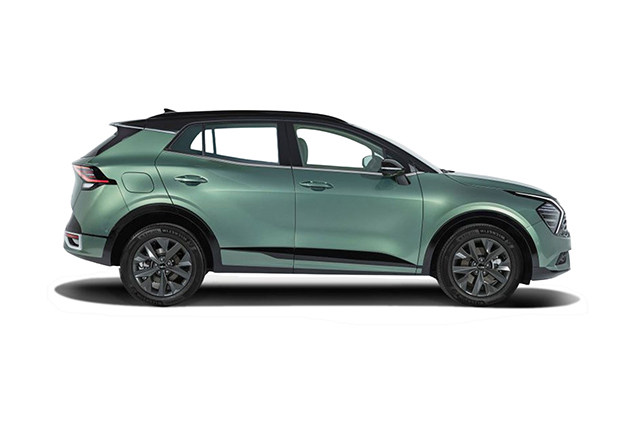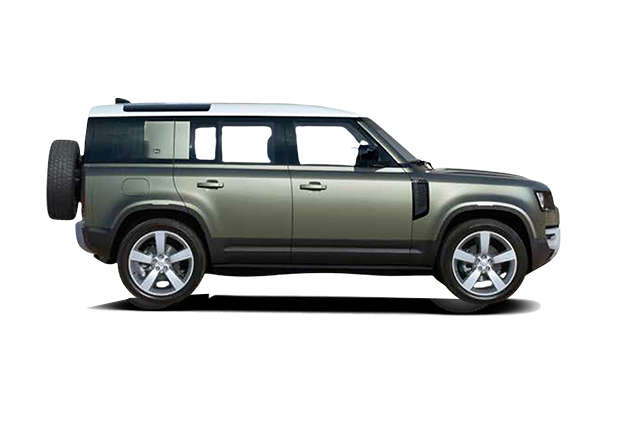
Land Rover Defender
Automatic | 4×4. The definitive Highland-ready full-size SUV, combining serious 4WD capability with a comfortable cabin.
Seats 5
Luggage 3
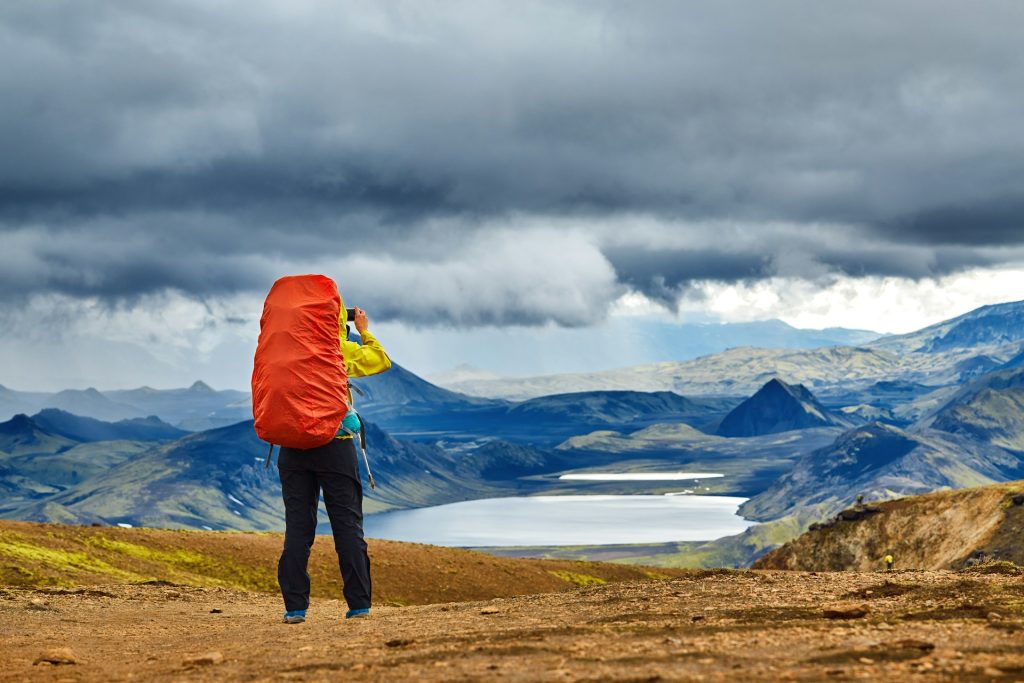
Iceland ranks as one of the world’s premier destinations for backpacking, offering an unmatched backcountry experience across dramatic volcanic valleys and glacial landscapes. For travelers planning a multi-day trek, the absolute best routes are the iconic Laugavegur and Fimmvörðuháls trails, or the remote Hornstrandir Nature Reserve for those seeking absolute isolation. While exploring this subarctic terrain is an unparalleled adventure, a successful expedition requires meticulous planning, an understanding of volatile weather windows, and a reliable self-drive strategy to reach remote trailheads safely. In this comprehensive guide, we break down the most iconic multi-day routes, essential packing checklists, highland driving regulations, and safety protocols so you can conquer the Icelandic wilderness with total confidence.
Iceland stands as one of the premier outdoor destinations on earth, boasting pristine volcanic plains, towering glaciers, steaming geothermal vents, and rushing glacial rivers. Backpacking in Iceland allows you to disconnect from modern noise and immerse yourself in a raw, ancient landscape that feels like another planet. The country’s low population density, exceptionally low crime rate, and pure drinking water straight from natural springs make it a safe and refreshing environment for long-distance hikers. Knowing that you can safely pitch your tent at designated mountain stations without security worries adds immense peace of mind to the expedition. This unique combination of profound isolation and absolute personal safety is incredibly rare in modern travel destinations.
However, the island presents unique challenges that distinguish an Iceland backpacking trip from standard European or North American treks. If you are preparing your itinerary using an Iceland solo travel guide, you will quickly learn that you will not find dense forests or sheltered valleys along most trails. Instead, wide-open plateaus expose you to relentless winds and sudden, biting rainstorms. Navigating this terrain requires robust preparation, high-quality gear, and realistic expectations about physical endurance. The lack of natural cover means that once a storm hits, you must rely entirely on your clothing layers and structural tent strength. If you prepare adequately and respect the raw power of nature, backpacking in Iceland will reward you with some of the most dramatic vistas you will ever experience.
Book your 4×4 rental today and secure a dependable ride backed by our 24/7 Nationwide Support so you can reach Iceland’s most remote trailheads with absolute confidence.
Selecting the perfect path depends on your experience level, physical fitness, and the amount of time you wish to spend in the wilderness. The country offers a spectacular array of Iceland trekking routes, ranging from well-marked paths with cozy mountain huts to isolated coastal trails where you might not see another soul for days. To help you choose the right path for your adventure, we have compiled a quick comparison of the most iconic multi-day trails. Reviewing these technical metrics helps ensure you do not bite off more than you can chew.
| Route Name | Distance | Duration | Difficulty | 4×4 Required? | Key Highlight |
| Laugavegur | 55 km (34 mi) | 3–4 days | Moderate | Yes (F-roads) | Rhyolite mountains, hot springs |
| Fimmvörðuháls | 25 km (15 mi) | 1–2 days | Challenging | No (Skógar end) / Yes (Þórsmörk) | Volcanic craters, waterfalls |
| Hornstrandir | Varies (50-80 km) | 3–6 days | Very Hard | No (Boat access only) | Arctic foxes, sheer sea cliffs |
| Glymur Waterfall | 7 km (4.3 mi) | 3–4 hours | Moderate (Day hike) | No | Deep canyon, tall waterfall |
Choosing any of these paths will guarantee unforgettable memories of hiking in Iceland. When reviewing these technical metrics to finalize your backpacking itinerary, it is equally important to consider the backcountry infrastructure available on each route. For instance, the Laugavegur and Fimmvörðuháls trails feature mountain huts managed by local touring clubs, where you can find basic amenities, warden supervision, and designated waste disposal areas. Conversely, an expedition through the Hornstrandir Nature Reserve demands absolute self-sufficiency; there are no trash facilities or resupply points anywhere on the peninsula, requiring different levels of navigation and physical stamina. Regardless of the trail you select, the lack of modern infrastructure makes the experience feel like a true wilderness expedition. Fortunately, water management remains remarkably straightforward throughout the island; Iceland’s glacial streams and natural springs offer some of the purest drinking water on the planet, meaning you can safely refill your bottles directly from running water sources without the strict need for heavy chemical filtration systems, making this a smart addition to your ultimate self-drive packing list.
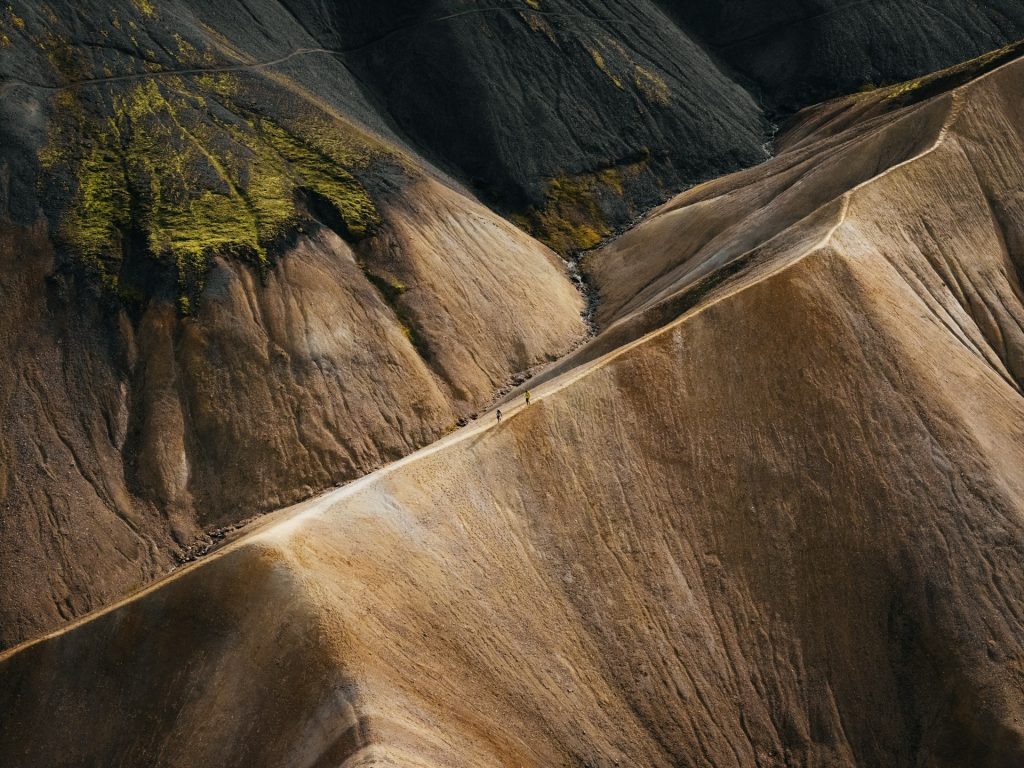
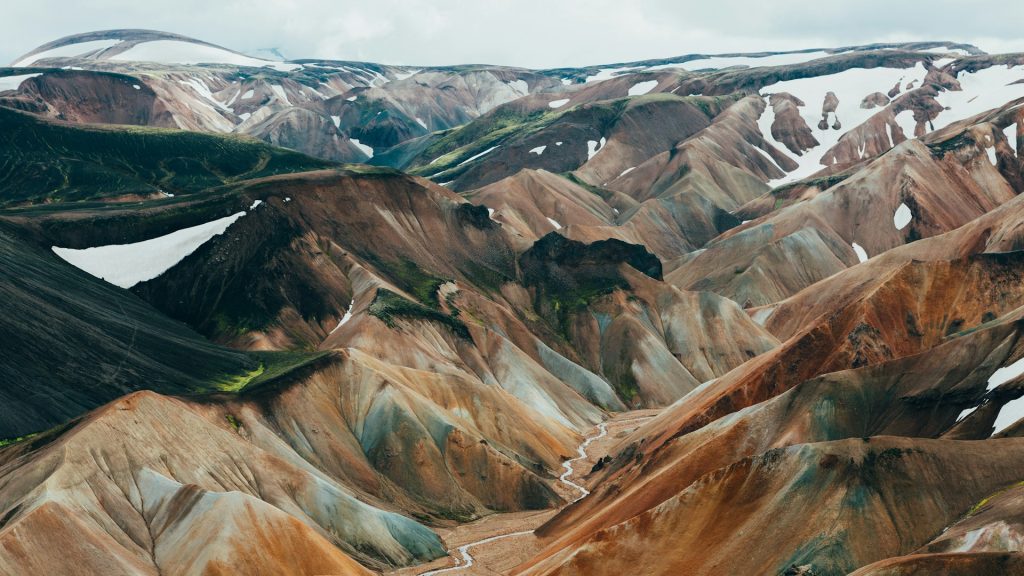
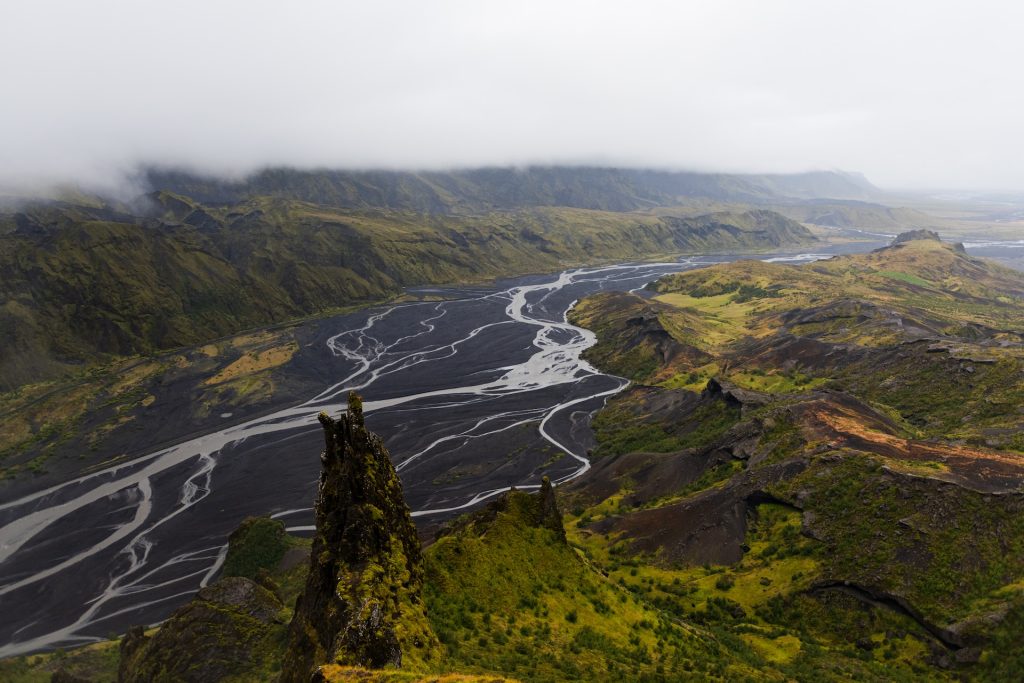
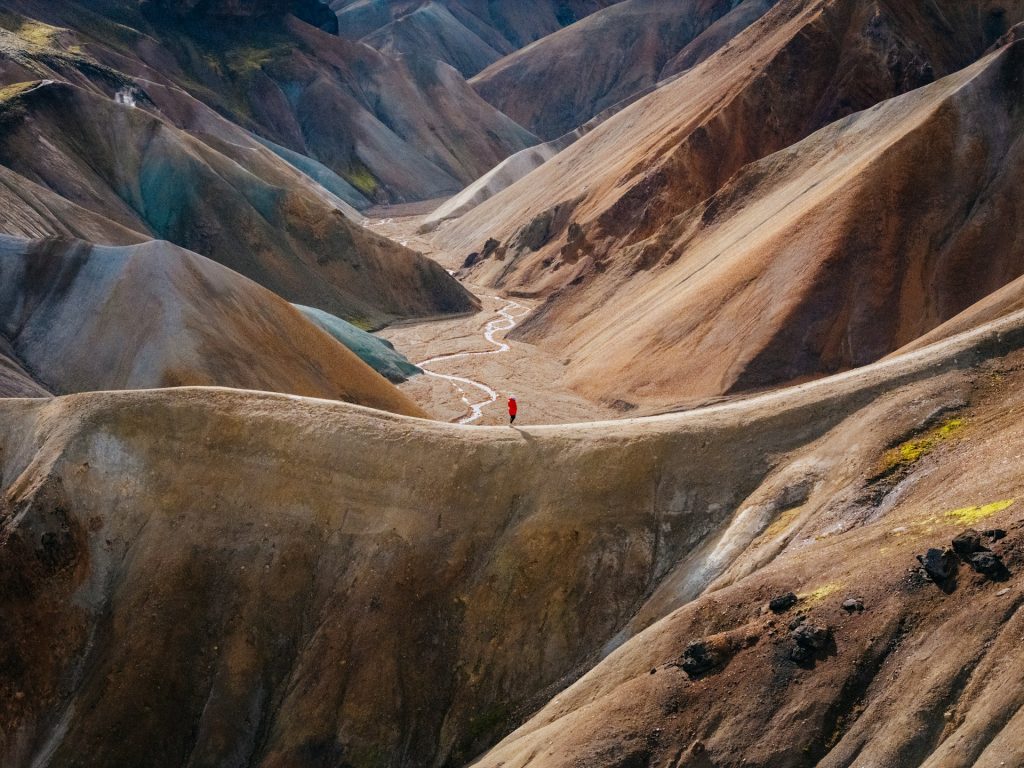
The Laugavegur Trail stands as the undisputed crown jewel of backpacking in Iceland. Starting in the geothermal wonderland of Landmannalaugar and ending in the lush valley of Þórsmörk, this 55-kilometer trail leads you through rainbow-colored rhyolite mountains, expansive black sand deserts, and deep volcanic canyons. If you seek to extend this adventure, you can seamlessly combine it with the Fimmvörðuháls Trail. This additional 25-kilometer path traverses the high pass between the Eyjafjallajökull and Mýrdalsjökull glaciers, guiding you past fresh lava fields from the 2010 eruption before descending alongside dozens of majestic waterfalls to Skógar. This combination creates a masterclass in diverse geology that few places on earth can replicate. Hikers often remark that the sudden transition from neon-green moss to stark volcanic ash fields feels completely surreal.
For experienced hikers seeking absolute solitude, the Hornstrandir Nature Reserve in the remote Westfjords Iceland region offers an unmatched wilderness challenge. This roadless peninsula, accessible only by passenger ferry during the summer, features sheer sea cliffs towering over the North Atlantic, wild wildflower meadows, and curious Arctic foxes. Because this area lacks huts, cell service, and supply stores, you must carry all survival gear and navigate with absolute precision. Emergency evacuations here are difficult and highly dependent on sea conditions. This means a minor ankle sprain can quickly escalate into a complicated multi-agency marine rescue operation. If you prefer shorter excursions, Iceland boasts exceptional day-hikes like the steep climb up Glymur Waterfall or the dramatic basalt columns of Svartifoss, allowing you to return to the comfort of your vehicle every evening after hiking in Iceland.
Reaching Iceland’s remote backcountry staging areas requires a solid understanding of regional road networks and access types, as trailhead logistics vary dramatically depending on your chosen route.
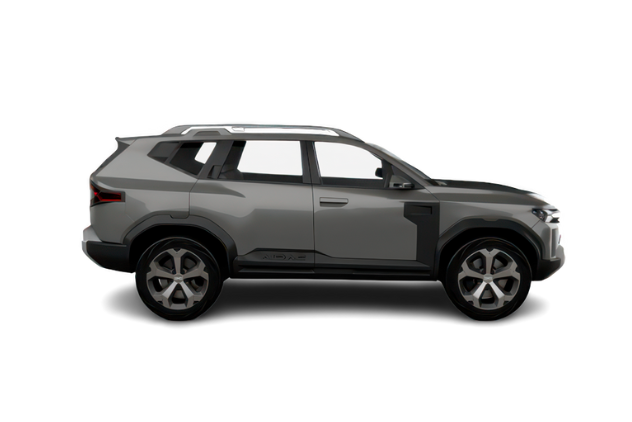
Securing a dedicated Hertz Iceland 4×4 rental provides the ultimate flexibility to store your non-hiking travel luggage securely at these trailheads, ensuring a warm, independent staging ground awaits your return from the wilderness, regardless of seasonal bus schedules. Here we have compiled the best options for your trip based on road conditions and expedition modules:
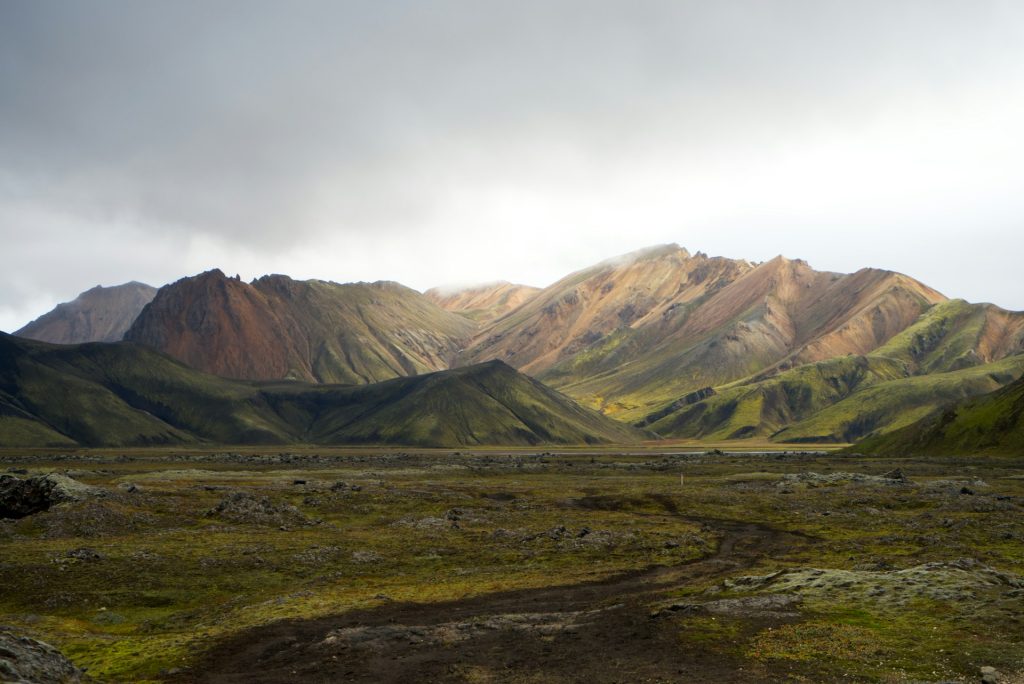
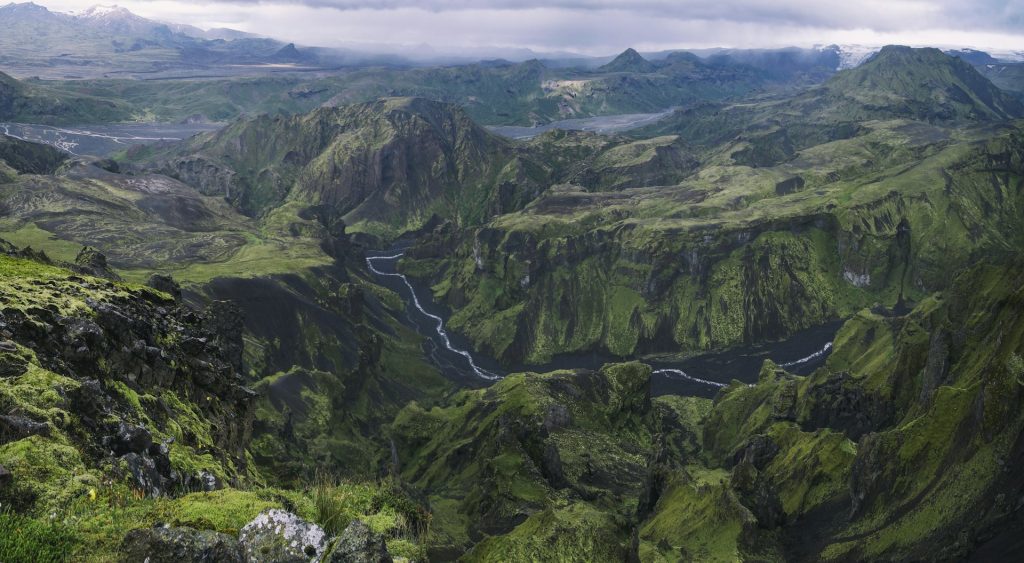
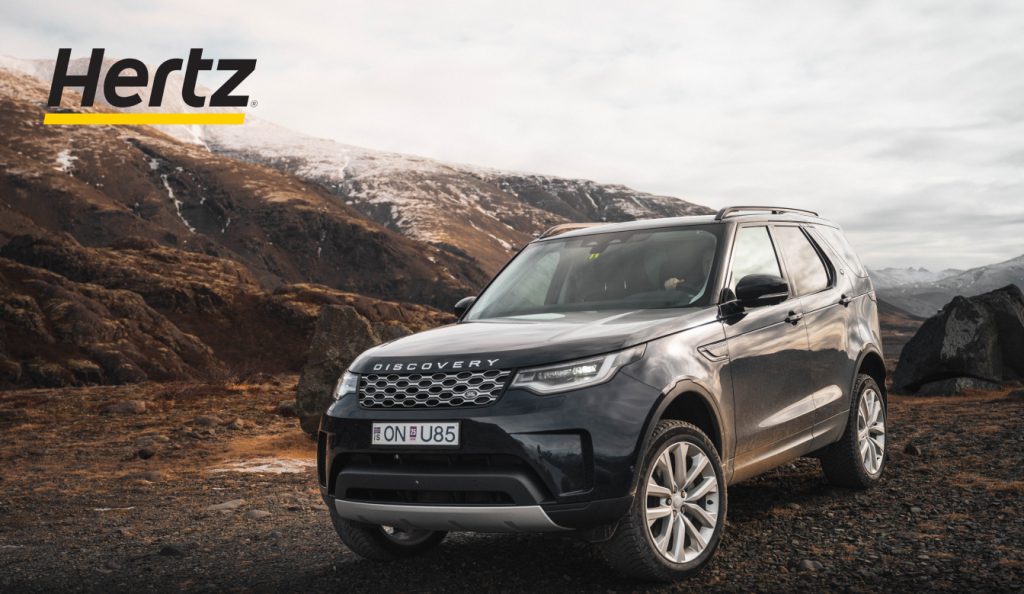
Iceland classifies its rugged highland routes as “F-roads”, which you can easily identify by the letter “F” preceding the road number on maps and highway signs. Icelandic law strictly prohibits standard two-wheel-drive passenger vehicles from entering these routes. If you attempt to drive a 2WD car on an F-road, you will face severe fines, void your insurance coverage, and likely damage the vehicle on deep ruts or sharp rocks. Therefore, booking a capable 4×4 SUV is non-negotiable if your backpacking plans include entering the highland interior. Car rental agencies track these vehicles via GPS, making compliance both a safety and a contract requirement.
This enforcement is rooted in the extreme nature of the highland geography. Interior tracks are completely unpaved, consisting of loose volcanic ash, sharp obsidian fields, and deeply rutted sandbanks that can instantly strand a low-clearance car. Furthermore, subarctic weather patterns amplify these hazards within hours. A sudden summer storm can transform a dry gravel path into a thick, muddy bog, or cause unexpected snow flurries on elevated mountain passes even in July. Driving a high-clearance 4×4 ensures you possess the mechanical leverage, low-range gearing, and robust tire tread required to navigate these rapid surface transitions safely.
Furthermore, many highland routes involve unbridged river crossings where you must drive through flowing glacial water. River crossings pose extreme risks, as water depth and current speed fluctuate rapidly based on daily temperatures and rainfall. Standard rental insurance packages never cover water damage to the engine or chassis, meaning you bear full financial responsibility for any mishaps. If you feel uncomfortable crossing rivers, choose highland routes that feature a footbridge right before the final deep ford. Always remember: if you are unsure about the depth, do not attempt to cross. Waiting for a more experienced driver to cross first is always a smart strategy in the highlands.
Automatic | 4×4. The definitive Highland-ready full-size SUV, combining serious 4WD capability with a comfortable cabin.
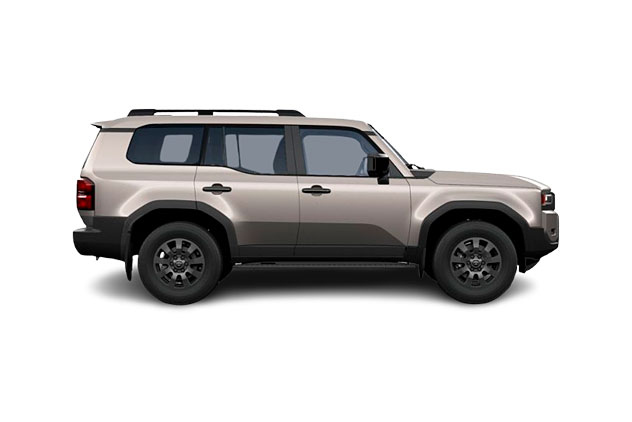
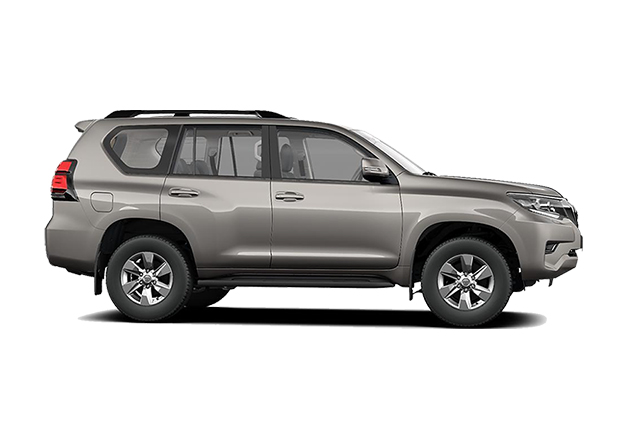
Automatic | 4×4. The latest generation Land Cruiser, with the largest luggage capacity in our full-size range.

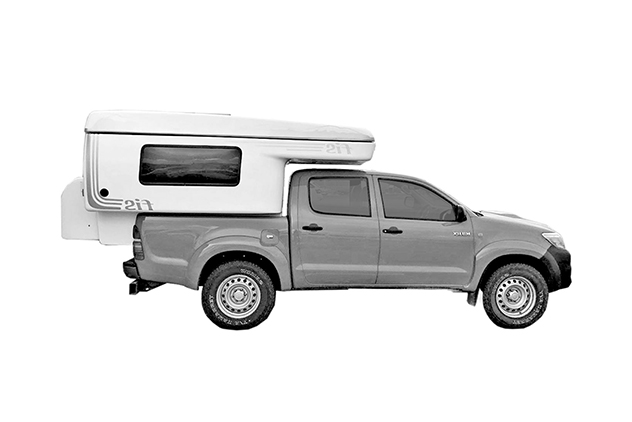
Automatic | 4×4. Generous space for families, with the traction to handle F-road tracks when open.
*Fleet availability varies by season. Always verify F-road openness on road.is before traveling into Highland areas.
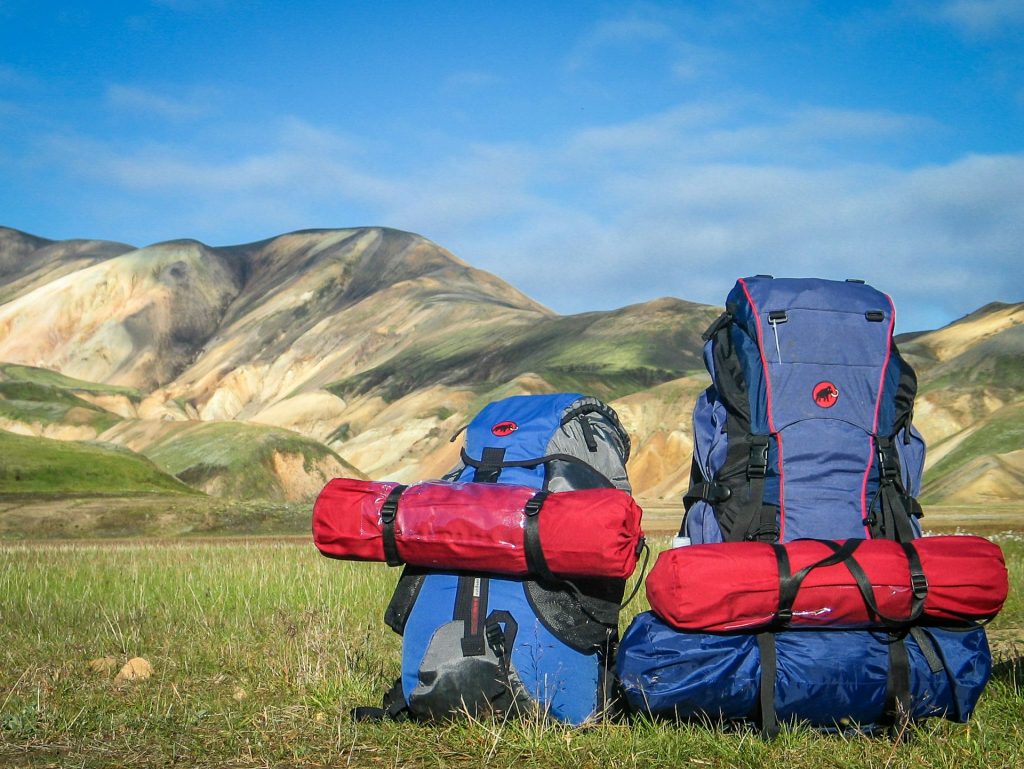
The volatile subarctic climate requires a meticulous approach to packing. Even during the height of summer, you can experience heavy rain, dense fog, howling winds, and near-freezing temperatures all within a single afternoon. To ensure your backpacking in Iceland remains safe and enjoyable, you must pack professional-grade gear designed to withstand severe weather. Do not cut corners on your equipment, as poor gear choice can quickly lead to hypothermia in remote areas. Use this comprehensive checklist to prepare your gear for an unforgettable adventure:
Properly managing this equipment before hitting the trail is just as critical as the gear itself. When organizing your backpacking in Iceland gear layout, we highly recommend utilizing heavy-duty waterproof dry bags inside your primary pack to guarantee your dry layers and electronics stay completely protected from relentless mountain downpours. Additionally, whether you are driving an SUV or exploring the island, when you hire a campervan in Iceland, your unit functions as a crucial, secure basecamp where you can safely leave your non-hiking travel luggage.
Safety must remain your absolute priority when undertaking a backpacking expedition in Iceland. Before taking your first step, you should always register your detailed hiking itinerary on SafeTravel.is, the official portal of the Icelandic Association for Search and Rescue. This free service ensures that emergency responders know where to search if you fail to check in by your scheduled return date. Additionally, monitor the weather forecast constantly, as sudden mountain blizzards can strand unprepared hikers even in July. Hypothermia can set in quickly when high winds mix with freezing rain, regardless of the season. Never hesitate to turn back if the trail conditions deteriorate beyond your comfort level.
Communication logistics are another critical factor when venturing into remote backcountry zones. While coastal areas enjoy exceptional cellular coverage, deep highland canyons and glacial valleys frequently suffer from total signal dead zones. Relying solely on a smartphone for navigation or emergency calls is a dangerous strategy. Serious trekkers should always carry a dedicated satellite communication device or a personal locator beacon (PLB). These tools allow you to pull real-time barometric pressure updates, text emergency contacts, or trigger an instantaneous SOS signal to search and rescue teams if you encounter impassable river torrents or severe flash fog.
Iceland enforces strict environmental protection laws to preserve its fragile, slow-growing arctic ecosystem. You must adhere to these vital regulations during your journey:
To help you finalize your plans, we have answered the most common questions that travelers ask when planning a trip to the Land of Fire and Ice.
Yes, Iceland is an extraordinary destination for backpacking, offering some of the most unique volcanic and glacial landscapes in the world. However, it requires a high level of preparation, top-tier waterproof gear, and a respect for volatile subarctic weather patterns to ensure a safe journey.
The best time for backpacking in Iceland is during the summer season, from mid-June to early September. During this period, the snow clears from high-altitude mountain passes, highland F-roads open to 4×4 traffic, and the Midnight Sun provides 24 hours of daylight.
The Laugavegur Trail combined with the Fimmvörðuháls Trail represents the most famous and scenic backpacking in Iceland route in the country. For those seeking absolute isolation, the rugged Hornstrandir Nature Reserve in the Westfjords offers a challenging, roadless wilderness experience.
While public buses connect main hubs, securing a rental car provides unparalleled flexibility for backpacking in Iceland. A reliable vehicle serves as a crucial dry basecamp before and after your trek, allowing you to transport heavy backpacks and change locations easily.
No, wild camping is strictly restricted while backpacking in Iceland to protect the delicate volcanic environment. You must pitch your tent only at designated, established campsites, especially within national parks, nature reserves, and populated regions.
Backpacking in Iceland offers an unparalleled backcountry adventure, but your safety and success depend entirely on logistical foresight. By selecting professional-grade gear, matching trail choices to your physical fitness, and strictly respecting the fragile subarctic environment, you ensure a memorable and responsible journey. Securing a reliable 4×4 rental vehicle completes your strategy, serving as a secure, weather-proof staging ground to outmaneuver unpredictable mountain storms. Plan your route, book your highland-ready vehicle early to secure summer availability, and prepare to experience the raw beauty of Iceland’s untamed interior.