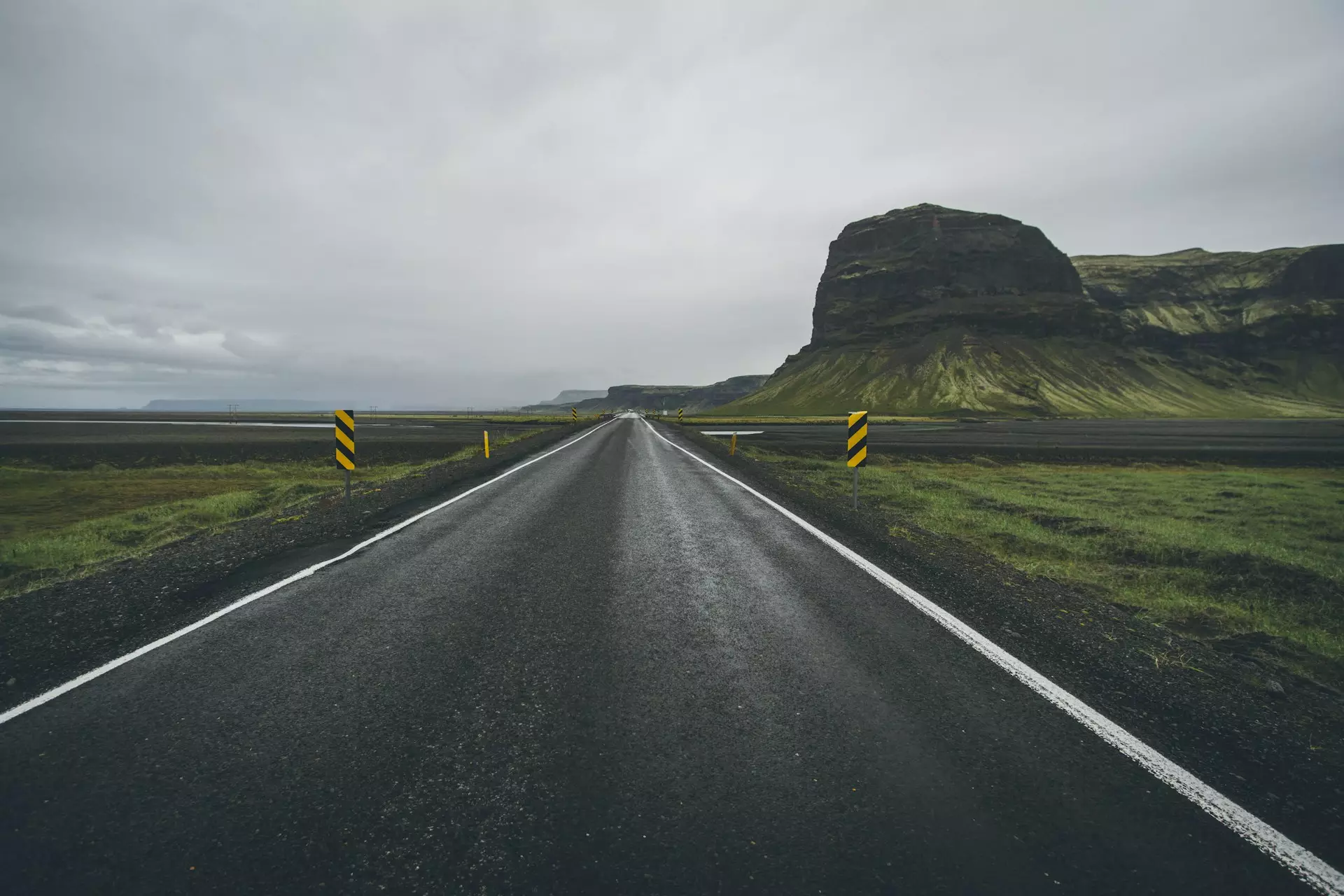
Paved Main Roads
The Ring Road (Route 1) and major highways are fully paved and well-serviced year-round.
Most first-time visitors spend more time researching waterfalls than they do thinking about the drive to reach them. That’s fine — but it does mean a lot of people arrive at Keflavík Airport with big plans and a fairly vague idea of what the roads are like.
Most of what follows is written for American visitors, and applies equally to drivers from the UK, Europe, and beyond, who know how to drive at home but are new to Icelandic roads, weather and distances.
In this guide to driving in Iceland for the first time, we’ll walk through what it’s actually like on Icelandic roads: which side you drive on, how speed limits work, what to expect from the Ring Road and gravel stretches, winter conditions, F-roads, local rules and fines, and how to choose the right car for your route and season.
Since 1971, Hertz Iceland has been a locally owned Icelandic company operating from the KEF arrival hall. The team that wrote this guide drove those same roads to get to work.
Yes. Most people are surprised by how straightforward it is.
Outside Reykjavík, the roads are quiet. There’s no complex motorway system, traffic is light, and the signs are clear. The main route most visitors use, the Ring Road (Route 1), is well paved and links the whole country in a simple loop. It’s usually just two lanes , one in each direction, and in some rural stretches, especially in the East and far West, it can feel narrower than you’re used to, so passing oncoming traffic needs a bit more care.
For American drivers, there’s one immediate relief: Iceland drives on the right, just like home.
The rules aren’t what trips people up. It’s the conditions. Weather moves fast here, faster than most places you’ve driven, and it changes with the season. Spring(April-May), summer(June-August), autumn(September-October) and winter(November-March) each have their own light, road surface and driving rhythm, from long bright nights in summer to icy mornings and storms in winter, and softer shoulder seasons in spring and autumn.
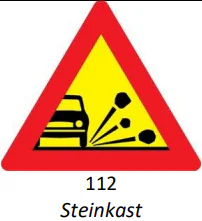
Roads switch from tarmac to gravel without much warning, and when you see a yellow “LOOSE GRAVEL” sign, it’s your cue to ease off the accelerator and keep steering gentle — most rental damage happens when people brake or turn too hard just as the surface changes.
And Iceland is bigger than it looks on the map. You’ll underestimate how long things take, especially on your first day.
None of that is a reason to worry too much. It’s just a reason to pay attention.
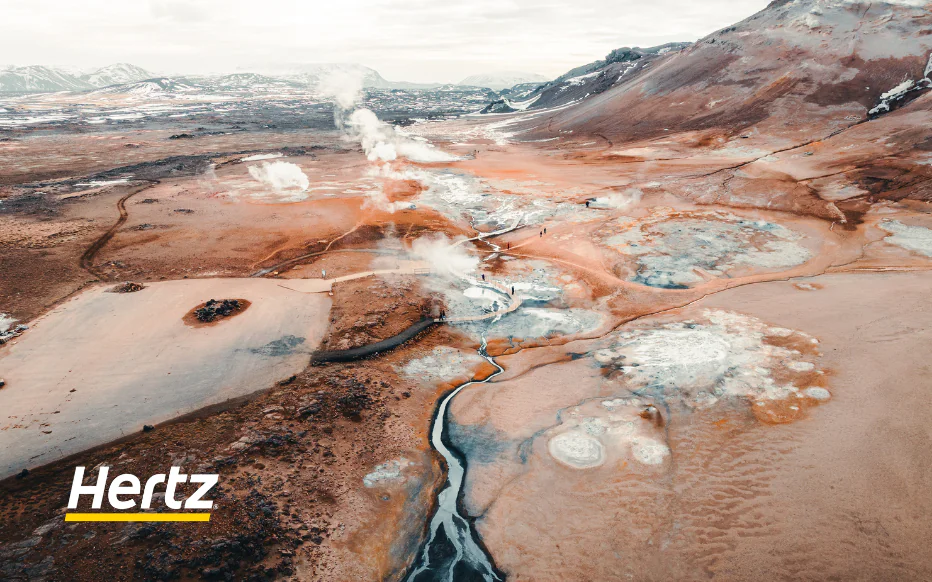
Iceland has one of the lowest road death rates in Europe — 1.7 deaths per 100,000 people in 2019, the lowest among IRTAD countries. Over two decades, road safety has improved significantly.
But there’s a pattern that matters for visitors: from 2015 to 2018, road deaths increased, driven in part by the rapid growth of foreign tourists driving rental cars. The Icelandic Transport Authority now considers improving road safety for foreign drivers a national priority.
Official accident reports from Samgöngustofa show this clearly. In 2022, nine people died in traffic accidents in Iceland; two were foreign tourists and one was a foreign national living here. In 2024, ten people died; one was a foreign tourist and one was a foreign resident.
The common thread in accidents involving visitors: gravel roads, unfamiliar weather conditions, and misjudged road surfaces. Research from the University of Iceland found that foreign tourists are disproportionately involved in roundabout accidents (22% of incidents, despite being a smaller share of total traffic), and that drivers from certain countries — particularly those less familiar with gravel or winter conditions — have higher injury rates per million visitors.
None of this is meant to scare you. It’s context. The rules and advice in this guide aren’t administrative filler — they reflect real patterns that Icelandic authorities track year by year. Drive to the conditions, not the speed limit. Check road.is before highland routes. Don’t push through when tired. Most accidents are preventable.
The right. Same as the US and most of Europe.
If you’re from the UK or Australia, you’ll adjust quickly: just watch yourself after every stop. The instinct to go left comes back at junctions and car parks, not while you’re already moving.
Single-lane bridges are common on rural roads. The rule is simple: whoever reaches the bridge first or is clearly closer has priority. Slow down early and it becomes obvious. Don’t rush it.
Yes. Your US license is valid for tourist driving here. No International Driving Permit needed — as long as your license uses the Latin alphabet, which all US licenses do.
Your license needs to be current and held for at least a year. It stays valid for up to six months, which is longer than any normal trip.
Rental age minimums are set by rental companies, not Icelandic law. At Hertz Iceland, you need to be 20 or over for standard cars, and 23 or over for larger 4WDs and vans. If you’re a younger driver, check this before you book.
EU and UK licenses work the same way. If your license uses a non-Latin script, you’ll need an IDP alongside it.
More varied than most people expect — and that variation matters.
The Ring Road (Route 1) is the main route for most trips. A lot of it is paved and well-kept. Some sections, especially in the East and South, are narrower than you’d expect. Passing oncoming traffic on single-lane stretches needs care.
Away from the Ring Road, gravel roads are common. The change from tarmac to gravel often happens with no warning. The speed limit on gravel is 80 km/h — but that’s a legal ceiling, not a target. Slow down more than you think you need to and read the surface in front of you.
F-roads are a different category entirely. These are highland mountain tracks — marked with an F prefix, like F26 or F208. By law, only 4WD vehicles can use them. Taking a standard car onto an F-road voids your insurance, breaks your rental agreement, and can lead to serious fines. F-roads typically open from June to early September, and are closed from roughly mid-September until the following June or July, depending on snow conditions each year.”Check road.is before any highland plans.
From January 2026, Iceland charges a per-kilometre road tax on all rental vehicles — currently set at ISK 6.95 per km for standard passenger cars, collected across your full rental period. On a typical week-long Ring Road trip of around 1,300 km, that works out to roughly ISK 9,035 (approximately €63 /or $73.21 at current rates). At Hertz Iceland, we handle the registration and billing on your behalf with an small admission fee of ISK 1.40 per km — the charge is calculated and added at vehicle return, so there’s nothing to set up or pay in advance. Full details, including rates for larger vehicles, are in our Road Tax and Toll Guide.
The Ring Road (Route 1) and major highways are fully paved and well-serviced year-round.
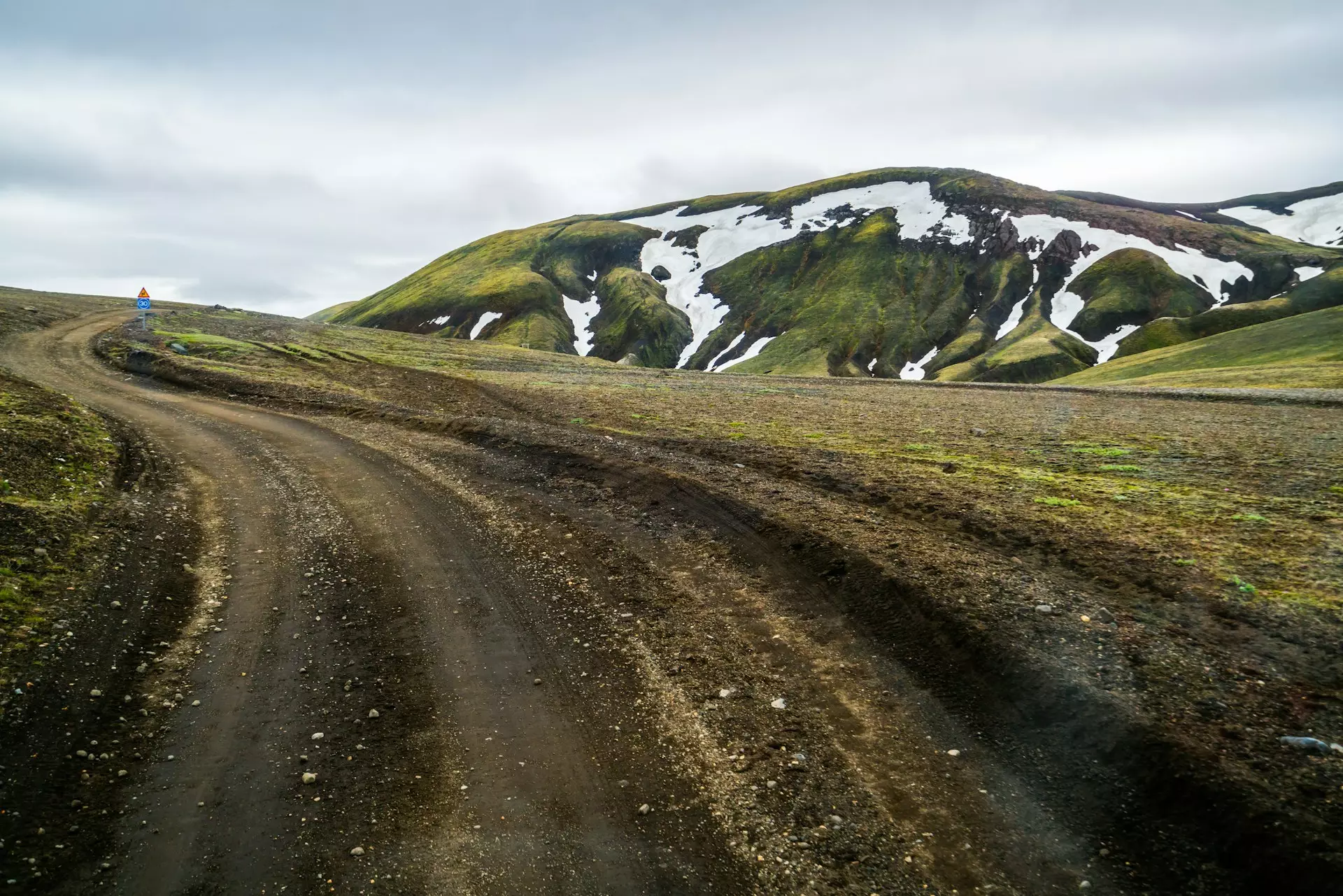
Common in the Eastfjords and Westfjords; these require slower speeds and careful handling.
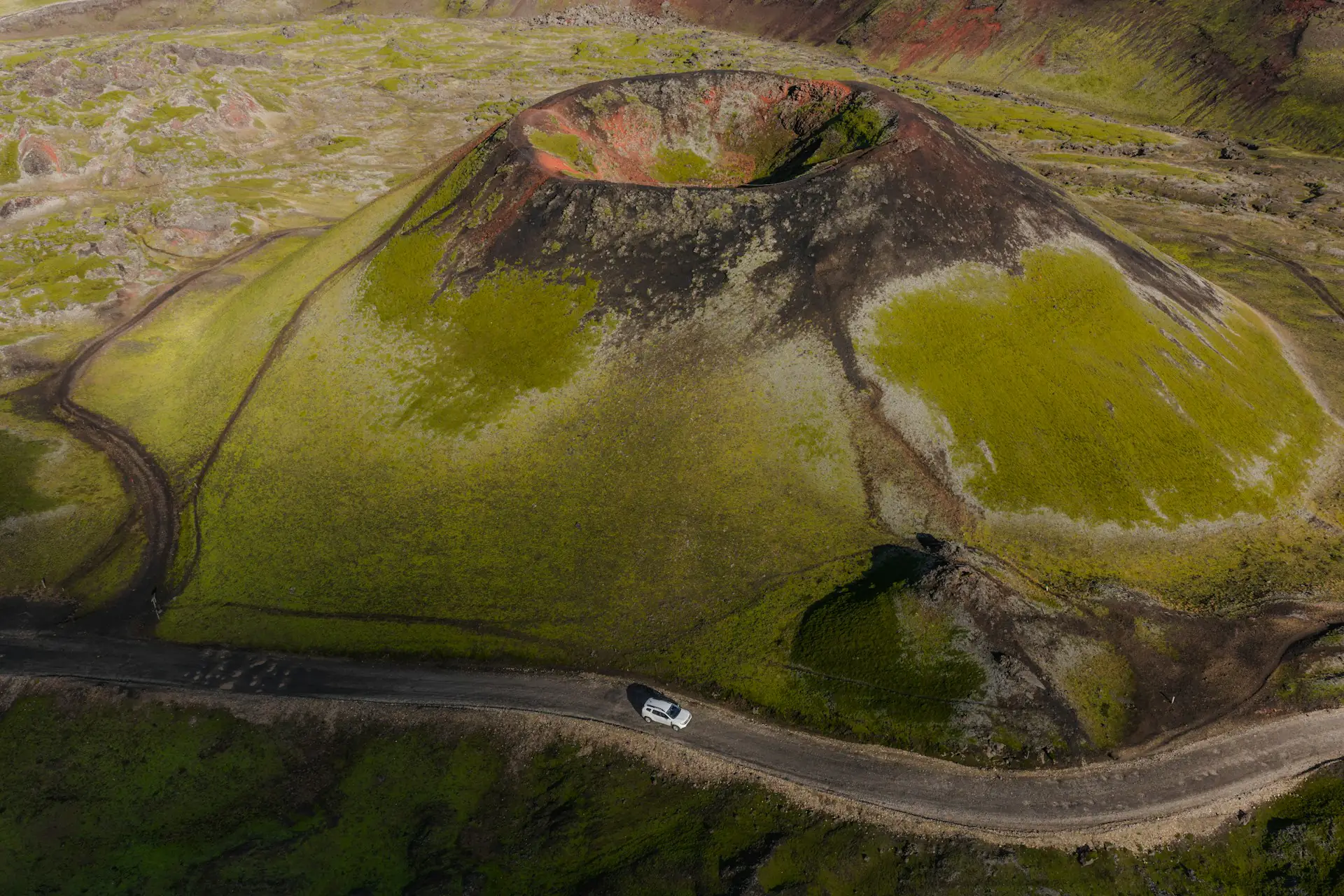
Unpaved mountain tracks, only accessible by approved 4×4 vehicles during the summer months.
Speed limits:
These are maximums in good conditions. In rain, ice, or low visibility, you’re expected to drive for the actual conditions — not the sign.
Three more things:
Headlights on at all times. Day, night, midsummer. It’s the law, and fines are issued on the spot. Check your rental car is set to auto or on — not off.
Off-road driving is illegal. Iceland’s moss and volcanic soil take decades to recover from tyre tracks. Fines typically start at 100,000 ISK and can reach several hundred thousand for serious damage. If you want to stop for a photo, use a marked parking area or lay-by — not the roadside shoulder.
The drink-drive limit is 0.02% BAC. That’s effectively zero. One drink can push you over. The penalties are serious — fines commonly start from around 100,000 ISK and go upward, plus licence suspension and, possible jail time. Don’t test it.
Full details in our Driving Tickets and Fines guide.
Winter driving in Iceland is manageable. Icelanders do it every day and the infrastructure is built for it. What you need is the right information and the right car.
Before every drive from October through April, check two things:
The main hazards: ice on roads that look clear, black ice on shaded stretches, and wind. Icelandic wind is stronger than most visitors expect — strong enough to push a car across a lane, and strong enough to damage a door if you open it into a gust. Remember to hold onto your door with two hands when opening in strong wind.
On 4WD: it won’t stop faster on ice than a 2WD. But it gives you better traction on snow, handles surface changes well, and performs better in crosswinds. In winter, on the South Coast, or anywhere outside the main paved routes — it’s the right call.
Full guide: Iceland Winter Driving.
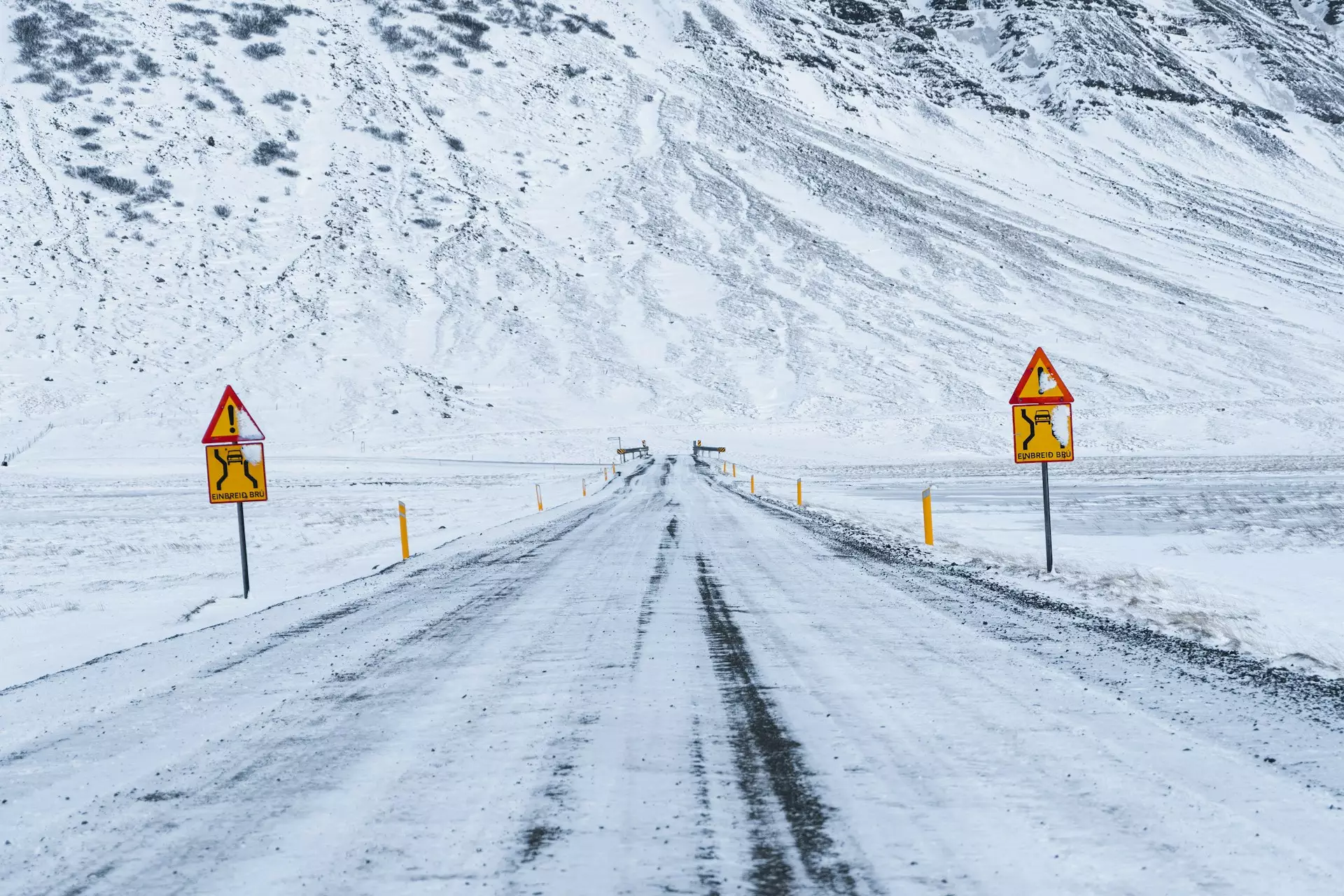
Main roads are often wet or partially icy. A reliable AWD vehicle provides essential traction.
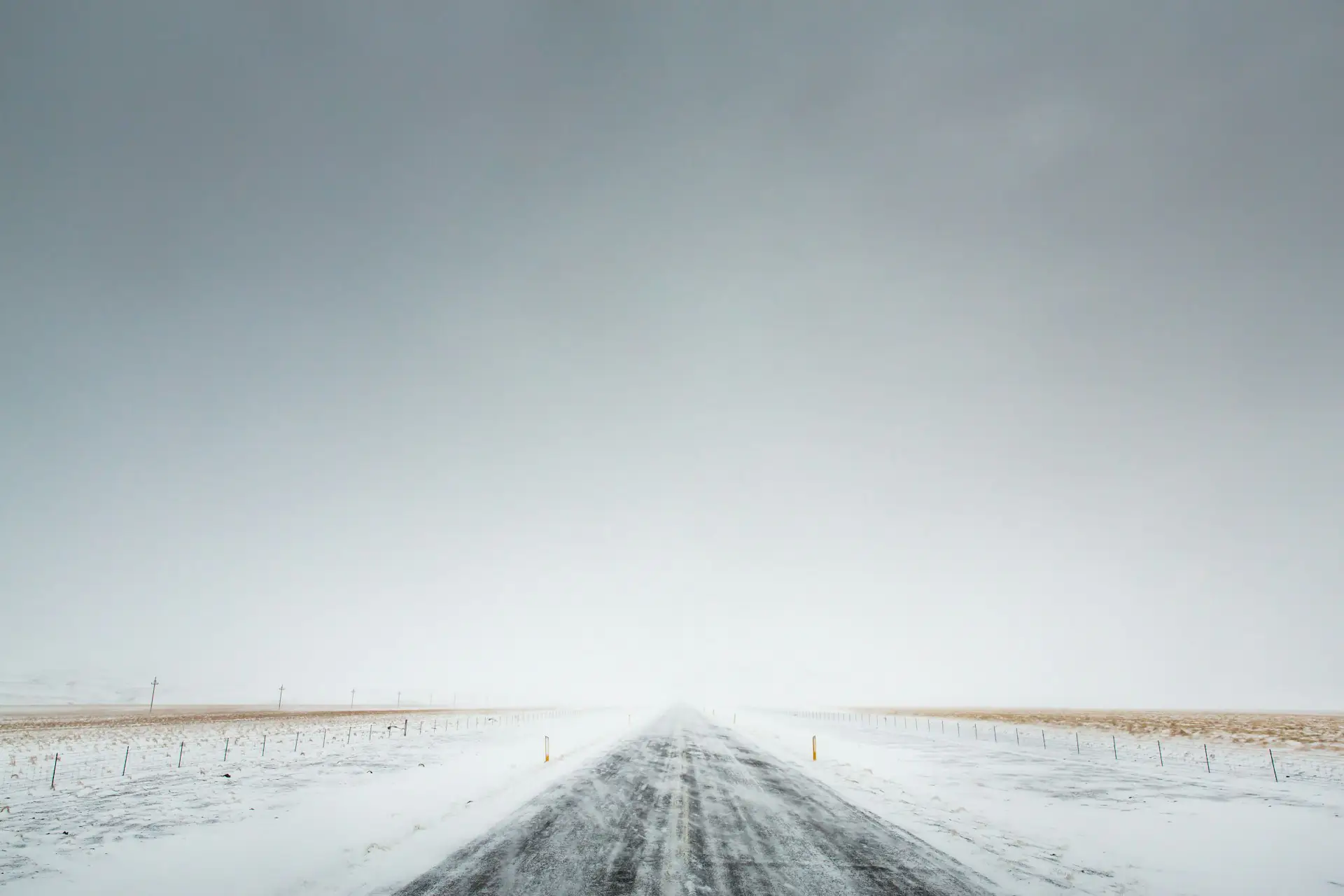
Severe weather can hit suddenly. When blizzards occur, stay put or seek nationwide support if traveling.
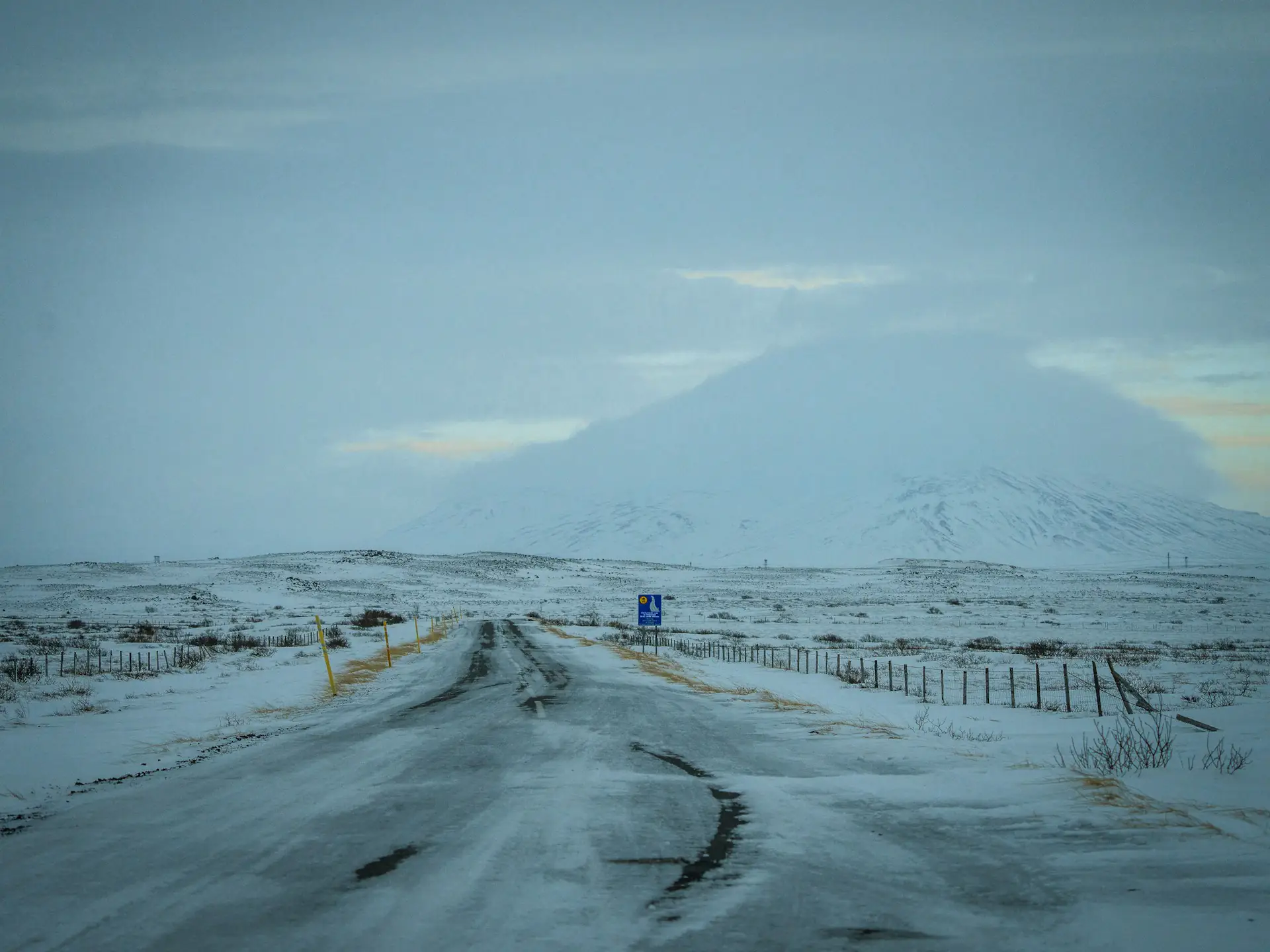
Black ice can be hard to spot. It reduces traction significantly and is extremely hazardous for foreign drivers.
We see these consistently. Not dangerous surprises — just things nobody thinks to mention.
For most driving in Iceland, the Ring Road in summer, the Golden Circle, paved routes in good weather, a compact or economy car is perfectly fine. You don’t need a 4WD for every trip.
You should think seriously about a 4WD if you’re travelling in winter, if your route covers the South Coast, Snæfellsnes, or the Westfjords, or if any part of your trip involves highland roads.
Not sure which car suits your route? Our team at the Hertz Iceland counter in the KEF arrival hall can advise you directly — they drove those same roads to work this morning. Hertz Iceland has been matching visitors to the right car for Icelandic conditions since 1971, and every vehicle in the fleet is less than two years old. Browse our full fleet, or ask us when you arrive.
For in-depth guides on specific topics — road conditions, winter driving, fines, parking, fuel, and EV charging — visit our Driving in Iceland hub.
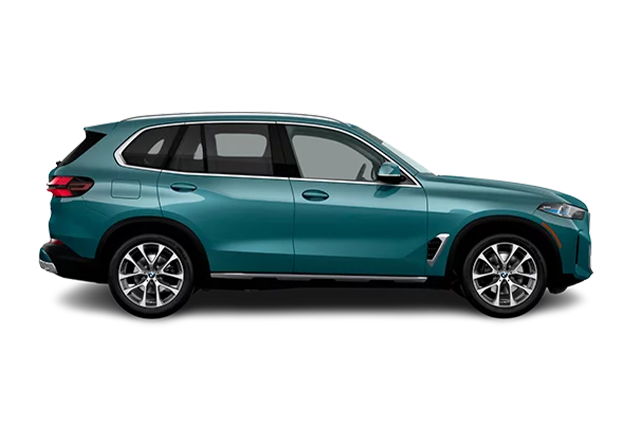
LFAI | Group: I7 (LFAI)
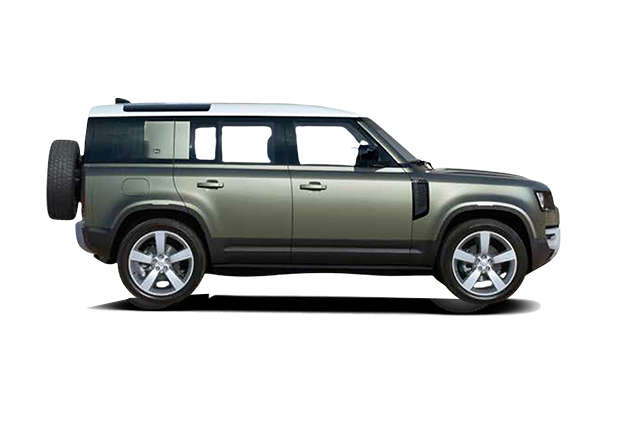
PFAN | Group: G6 (PFAN)
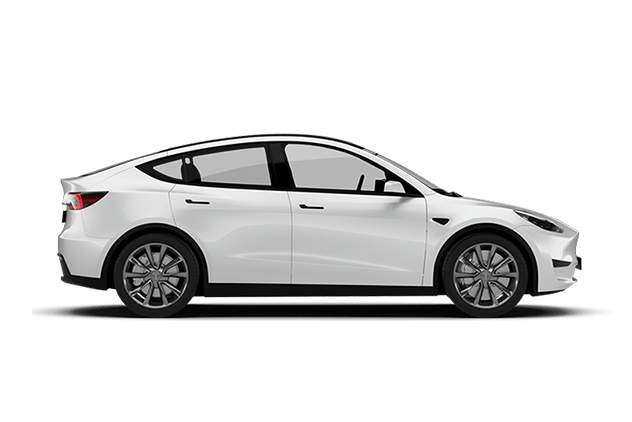
UGDC | Group: V1 (UGDC)
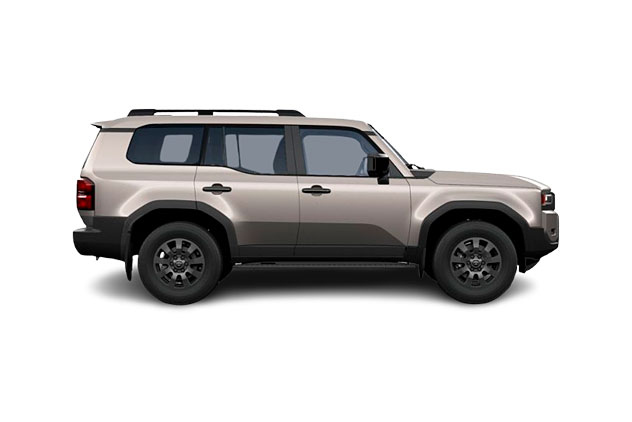
GFAR | Group: H1 (GFAR)
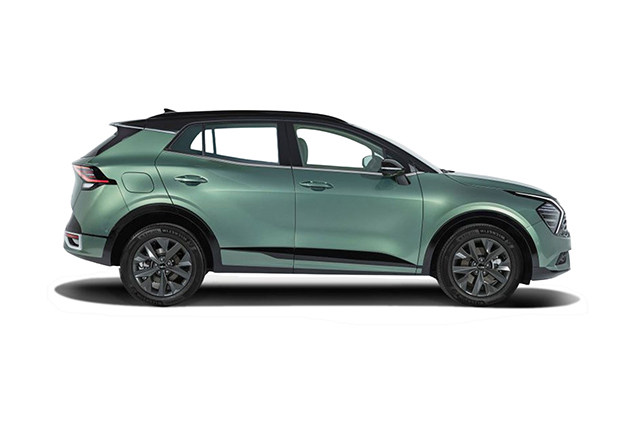
IFAR | Group: O (IFAR)
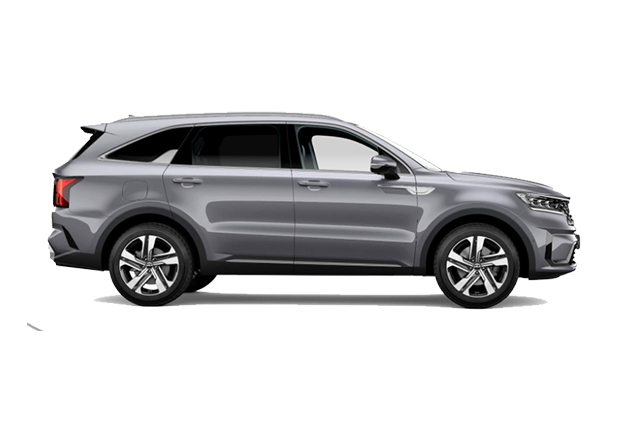
SFAN | Group: O2 (SFAN)