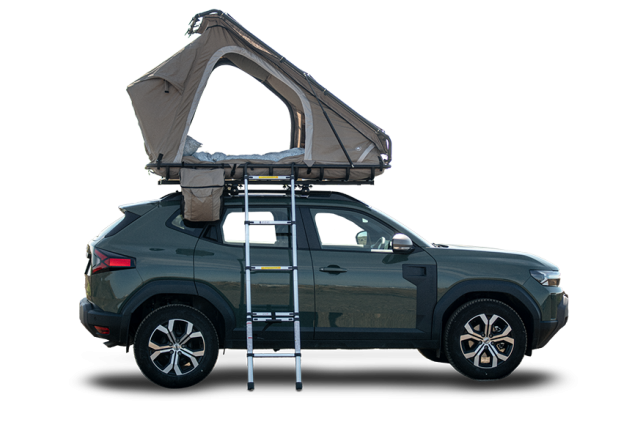
Dacia Duster Camping
Manual | 4×4 + Rooftop Tent. The agility of our standard 4×4 Duster combined with a built-in rooftop tent for lightweight adventure camping.
Sleeps 2
Seats 5
Planning a summer road trip across Iceland presents many exciting questions about local wildlife and packing essentials. One question frequently pops up for travelers preparing their bags: Does Iceland have mosquitoes? Knowing the answer helps you decide whether to pack heavy-duty bug sprays or leave them at home. As you plan your self-drive holiday, understanding how local insects can influence your daily outdoor comfort ensures a smooth and stress-free adventure. Let us dive into what you should truly expect when exploring this breathtaking island during the warmer summer months.
For decades, scientists and travel guides proudly stated that Iceland remained entirely free of mosquito populations. However, ecological shifts have updated these expectations. While the country historically lacked these biting bugs, researchers confirmed the first isolated mosquitoes in Iceland in 2025. This recent discovery broke the old absolute claim, though experts still do not know if these insects can permanently survive and establish breeding colonies here. This leaves many travelers wondering about the presence of these biting pests today. Technically, yes, but they remain extremely rare, and you will not encounter the massive, aggressive swarms typical of other northern destinations. You can still enjoy the fresh air without worrying about constant bites.
To understand this unique situation, we must look at the highly unpredictable subarctic climate. If you wonder about the scientific reason behind the question, “why does Iceland have no mosquitoes?” historically, the answer lies in our rapid weather shifts. Iceland experiences sudden temperature drops and sudden thaws, even during the winter months. When a warm spell begins, mosquito pupae wake up and prepare to emerge from the water. However, the temperature quickly plummets again, freezing the lakes and destroying the young insects before they can reproduce. This erratic cycle makes it nearly impossible for the pests to establish a stable life cycle. While the debate regarding “does Iceland have mosquitoes” remains a hot topic among travelers, our volatile weather acts as a natural shield, keeping the overall biting insect population incredibly low.

Even though mosquitoes do not dominate the landscape, you will still encounter various other insects in Iceland during your summer excursions. The local ecosystem supports diverse flies, wasps, spiders, and beetles that thrive in the lush valleys and damp meadows. Most of these bugs play vital roles in pollinating local flora and feeding native bird species. If you choose a comfortable Hertz Iceland motorhome rental option for your family vacation, you might see small flies resting on your vehicle during warm afternoons. These bugs rarely cause trouble, but knowing which species inhabit the rural areas helps you prepare. Travelers often ask a simple question about local insect populations because they want to avoid itchy bites, but they should actually focus on other flying creatures. Knowing what to expect lets you enjoy the spectacular Icelandic wilderness with complete peace of mind.
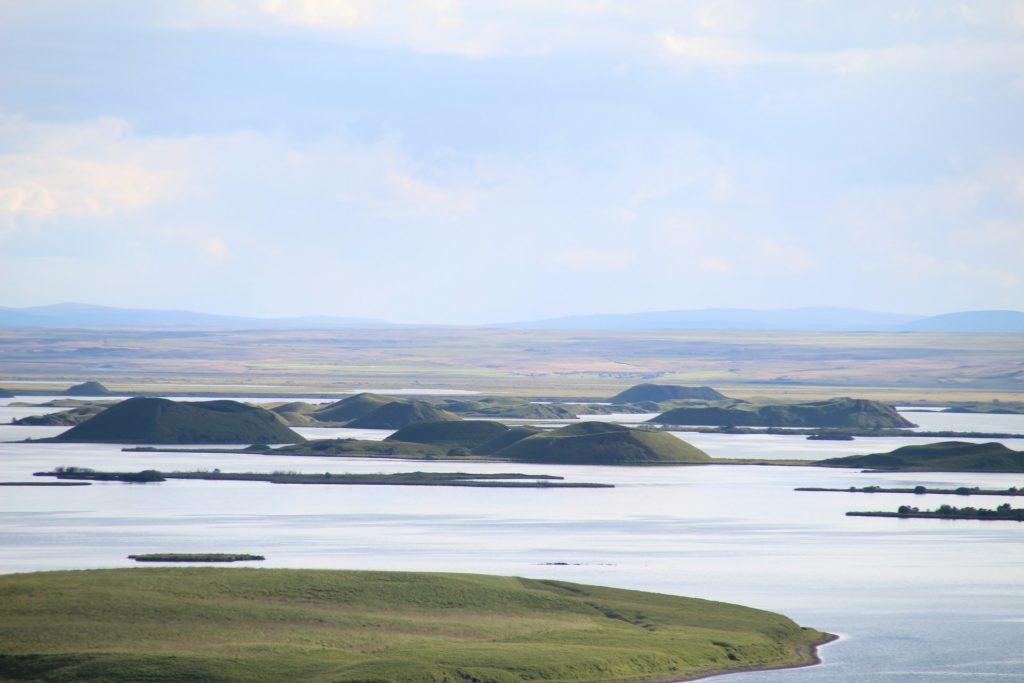
The most common insects you will notice are midges, particularly around freshwater bodies. In fact, the famous Lake Mývatn area translates directly to “Midge Lake” due to the massive clouds of non-biting midges that gather there in summer. While these midges do not bite, a closely related species called the blackfly does, and they can leave irritating welts. They love calm, humid days and can quickly swarm around your face. Does Iceland have mosquitoes in these wet areas? No, but these midges fill that ecological niche. You will find them near slow-moving water, marshes, and damp lakeside trails. Wearing protective clothing and choosing windy spots for your breaks will keep these tiny nuisances at bay.
Because the country does not suffer from widespread mosquito infestations, you do not need heavy cans of industrial-strength bug spray. However, bringing a small, skin-friendly repellent remains a smart decision for certain outdoor activities. Since the classic question, “does Iceland have mosquitoes?” now has a nuanced answer, carrying a light repellent ensures you remain protected against any unexpected biting pests, making this a smart addition to your ultimate self-drive packing list. A simple spray containing mild active ingredients will easily deter the local blackflies and midges. This small addition to your gear takes up very little space but provides excellent protection when you step out of your car to admire majestic waterfalls.
If you love camping, hiking, or exploring the dramatic landscapes around Lake Mývatn, simple strategies will maximize your comfort. If you are exploring the wilderness with a campervan rental in Iceland, smart adventurers prepare for all possibilities. Use these useful field tips to enjoy the great outdoors without annoying interruptions:
These basic habits will protect you from both the newly discovered mosquitoes and the far more common biting midges.
Manual | 4×4 + Rooftop Tent. The agility of our standard 4×4 Duster combined with a built-in rooftop tent for lightweight adventure camping.
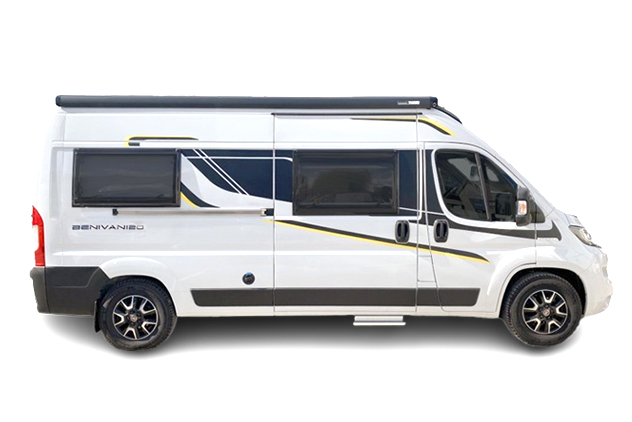
Manual | 2WD. Our largest camping model, designed for maximum living space and family comfort on paved Ring Road itineraries.
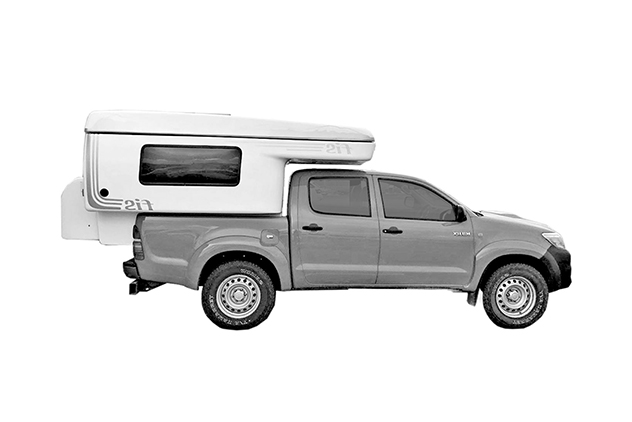
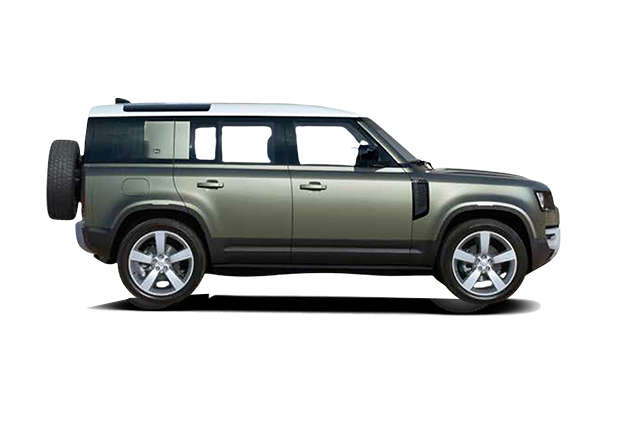
Manual | 4×4. Built on a heavy-duty 4WD truck chassis, giving you full Highland capability along with cozy integrated camping accommodations.
*Fleet availability varies by season. Always verify F-road openness on road.is before traveling into Highland tracks.
Preparing your vehicle for a summer road trip involves more than just loading your luggage; it requires a strategic understanding of Iceland’s seasonal driving conditions. During the warmer months, your preparation should focus on visibility, vehicle selection, and adapting to unpaved surfaces.
First and foremost, your vehicle choice must align with your summer itinerary. If you plan to stick entirely to the paved Ring Road, a standard two-wheel-drive (2WD) compact car or an eco-friendly sedan is highly efficient and cost-effective. However, summer is the only season when the highland mountain roads (F-roads) open to the public. If your goal is to explore rugged interiors like Landmannalaugar or cross unbridged rivers, booking a robust 4×4 rental in Iceland with high ground clearance is a legal and structural requirement.
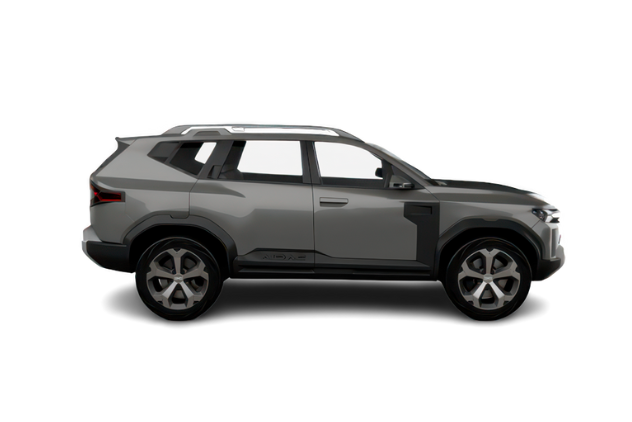
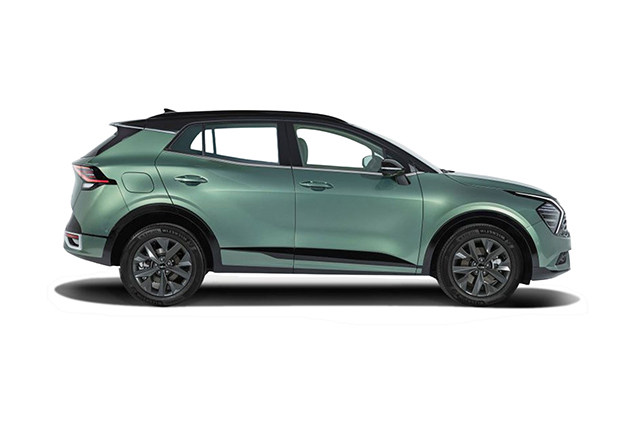
Manual | 4×4. A roomier step up from the Duster, with extra space for longer trips and budget Highland access.
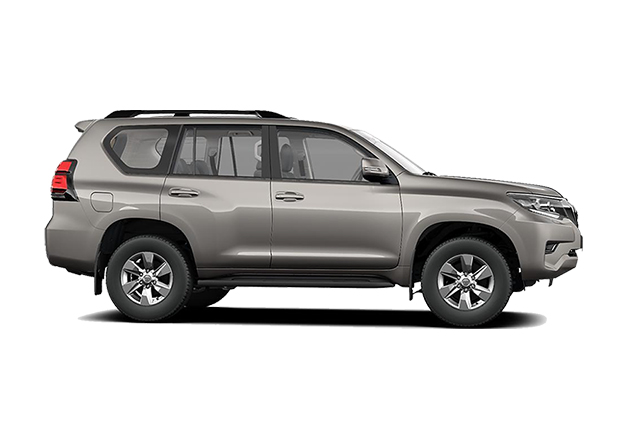
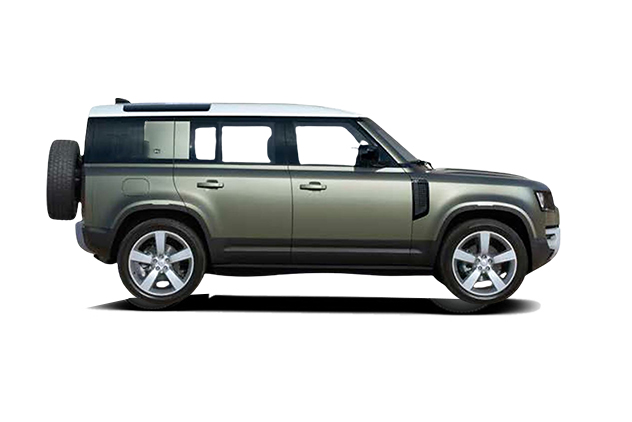
Automatic | 4×4. High ground clearance and strong suspension for full Ring Road comfort and tough terrain.

Long Range | Automatic | 4×4. Premium fully-electric AWD with extended range for quiet, smooth paved road touring.
*Fleet availability varies by season. F-road certification applies to designated models like the Land Cruiser and Bigster; EV 4x4s are strictly for paved/approved gravel routes.
Once on the road, visibility becomes a priority. Summer driving across rural areas will quickly accumulate flying insects and fine volcanic dust. To maintain a safe view, always ensure your windshield washer fluid reservoir is full of a specialized bug-remover solution instead of water. Additionally, slow down significantly when transitioning to dry gravel tracks, a very common occurrence in summer, as dust clouds can instantly reduce visibility for oncoming drivers.
Finally, general vehicle care near wetland areas is a smart habit. When parking or slowing down near subarctic lakes, close your vehicle windows quickly to prevent swarms of midges from entering the cabin. Choosing a reliable vehicle from a trusted provider ensures that your cooling systems, air filters, and tires are in pristine condition. For your safety and peace of mind on the road, always consult safe.hertz.is before setting off. We support your journey with our 24/7 Nationwide Support, though please note that towing and physical recovery costs remain the renter’s responsibility unless additional coverage has been purchased.
Find quick, reliable answers to the most common questions about local bugs, weather conditions, and packing essentials for your upcoming self-drive adventure.
Historically, Iceland did not have an established mosquito population. However, researchers confirmed isolated mosquitoes in 2025. It remains uncertain whether they can permanently survive and adapt to the local climate.
The primary reason involves the rapid freeze-thaw cycles of the subarctic climate. Sudden temperature changes disrupt the mosquito life cycle, freezing and destroying larvae before they mature.
No, they do not pose a problem for visitors. Even with recent isolated discoveries, you will not encounter breeding swarms. Midges and blackflies near lakes represent the only real flying pests you might notice.
Yes, you can find various insects in Iceland, including non-biting midges, blackflies, wasps, beetles, and spiders. Most of these bugs are harmless and thrive mainly during the warm summer months near water.
While you do not need heavy-duty sprays, bringing a mild repellent or a head net is highly recommended if you plan to camp, hike, or visit Lake Mývatn, where midges can become active. To enjoy your subarctic adventure with complete freedom and comfort, explore our reliable fleet of vehicles. Start planning your trip with us today.