
Dacia Bigster AWD
Manual | 4×4. A roomier step up from the Duster, with extra space for longer trips and budget Highland access.
Seats 5
Luggage 3 Large
Many travelers pack their bags for the Land of Fire and Ice, expecting a completely barren, volcanic landscape devoid of any woodland. You might have heard the famous local joke: “If you get lost in an Icelandic forest, just stand up.” While this humorous proverb holds a grain of truth, the reality of trees in Iceland will surprise you. The island does indeed host resilient woodlands and beautiful national forests, though they cover a much smaller percentage of the country than they did during ancient times. This current scarcity makes finding a dense, green canopy in the middle of a volcanic field an incredibly magical and unexpected experience. It challenges the default perception of the island, proving that life constantly finds a way to flourish even in fields of ancient lava.
Exploring these hidden, lush pockets of greenery offers a unique counter-narrative to the standard Icelandic itinerary. Navigating the scenic routes leading to the country’s main forest reserves allows you to escape the crowded tourist spots and discover quiet, tree-filled oases that showcase the island’s diverse ecosystems. In this comprehensive guide, we will analyze why the landscape looks the way it does today, the native species that survive here, and the exact coordinates where you can find the most spectacular forests in this subarctic paradise. Arming yourself with this geographical knowledge will completely change the way you look at the island’s horizons during your driving journey. Instead of just seeing empty space, you will begin to recognize the sheltered microclimates where nature is actively rebuilding its lost green inheritance.
The short and direct answer is yes, there are trees in Iceland, but they are far less abundant today than they were before human settlement. Currently, forests and small woodlands cover only about two percent of the island’s total land area, which often surprises first-time visitors who expect endless pine forests like those in neighboring Scandinavia. If you drive across the country, you will mostly see vast fields of green moss, black basalt sand, and sweeping grasslands. However, you will also encounter thriving pockets of native birch forests and dense, tall pine plantations if you know exactly where to look. These unexpected green pockets serve as crucial micro-ecosystems that shelter a variety of local bird species and unique subarctic flora. They function as natural wildlife sanctuaries, breaking up the wind and creating unique biological patterns that do not exist anywhere else on the island.
These arboreal zones thrive primarily in deep valleys and fjords that offer structural protection from the harsh Atlantic elements. Within these unique geographic depressions, the trees create a localized canopy effect that stabilizes temperatures, anchors the volcanic soil with expansive root networks, and fosters a rich floor of native mosses and ferns. Understanding where these sheltered microclimates develop is the key to locating the island’s most spectacular and mature woodlands, which stand in sharp contrast to the vast, open expanses of the surrounding countryside.
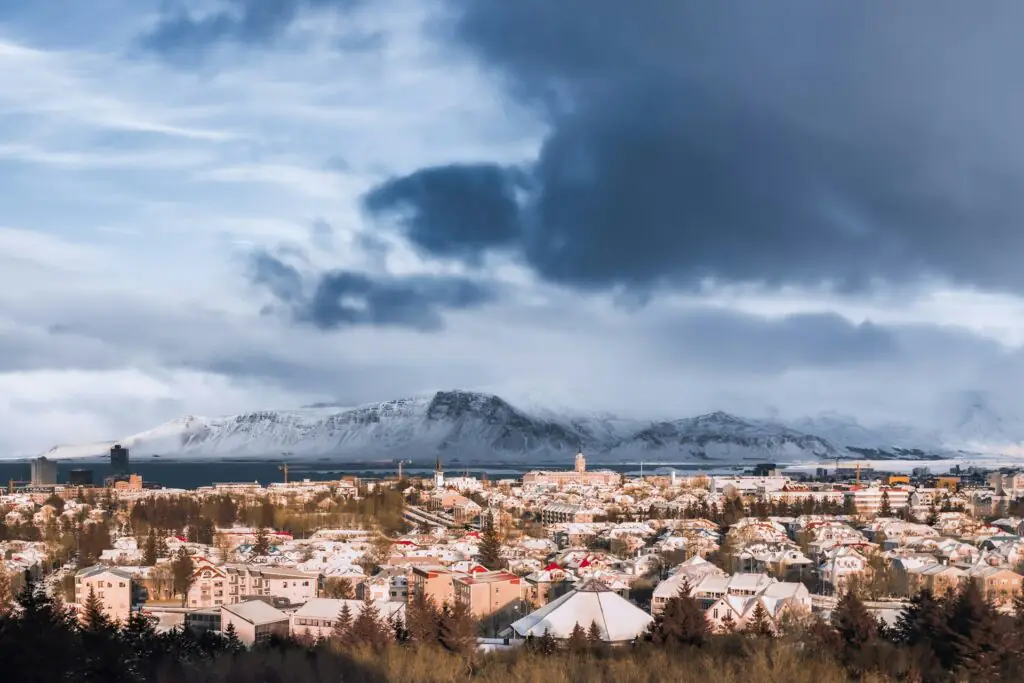
To understand the current state of trees in Iceland, we must look back more than eleven centuries to the era of the Viking settlement. When the first Nordic settlers arrived in the late ninth century, a lush blanket of downy birch woodlands and low-lying shrubs covered approximately 25 to 40 percent of the island. The pristine environment offered rich soils and shelter, but the rapid influx of humans quickly initiated a massive ecological transformation. Within a few generations, the settlers fundamentally altered the landscape, setting off a chain reaction of environmental challenges that the country still fights to resolve today. What took thousands of years for nature to build was disrupted in a remarkably short period. The fragile balance of the volcanic subarctic ecosystem was simply not prepared for the sudden pressure of human colonization.
The primary driver of this rapid change was extensive deforestation, as the early settlers cut down vast swathes of native birch forest to build their turf homes, construct ships, and produce charcoal for smelting iron. They cleared land aggressively to establish pastures for their imported livestock, unaware of how fragile the subarctic soil truly was. Once the settlers removed the protective canopy of the forests in Iceland, the strong North Atlantic winds and heavy rains began to wash away the thin layer of topsoil. This process created a severe environmental issue, leaving behind barren gravel plains and rocky deserts where new seeds could not easily take root. Without active root networks keeping the ground intact, topsoil erosion quickly became an irreversible crisis across the interior plateaus. The loose volcanic ash, once stripped of its biological anchors, was easily swept into the ocean by relentless autumn downpours.
The introduction of domestic sheep further complicated the natural recovery of the landscape, as these hardy animals grazed freely across the hillsides and ate the delicate young birch saplings before they could mature. This continuous grazing prevented the natural regeneration of the remaining woodlands, ensuring that once a forest was cleared, it remained open grassland or barren soil. Additionally, the harsh subarctic climate, characterized by cool summers, fierce winter storms, and short growing seasons, naturally slows down the growth rate of any remaining vegetation. Active volcanic eruptions also played a role, as flowing lava and thick layers of ash buried entire valleys, destroying any vegetation in their path. This combination of agricultural pressure and unpredictable geothermal activity created a cycle of environmental stress that lasted for centuries.
Today, when travelers ask why there are no trees in Iceland in many parts of the country, they are observing the long-term consequences of this historical ecological collapse. Anyone using a detailed guide to Iceland’s landscape by car will quickly understand how the combination of human deforestation, relentless livestock grazing, severe wind and water erosion, and a challenging subarctic climate stripped the island of its protective green cover. Fortunately, modern conservationists and local volunteers are working tirelessly to reverse this historical damage through ambitious reforestation programs. Understanding this complex history adds deep meaning to your road trip, as every small forest you encounter represents decades of hard work and dedication to restoring the island’s natural heritage. Every mature tree you see standing today is a living testament to human dedication and environmental resilience. It stands as proof that conscious conservation can heal the wounds inflicted by past generations.
Despite the historical challenges, several hardy species of trees in Iceland manage to thrive in our unique soils and climate. The native flora of the island consists of a select few resilient species that have adapted over millennia to survive cold temperatures, poor soil quality, and high winds. When you explore the remaining natural woodlands, you will mostly encounter these tough native trees, which rarely reach the towering heights of continental forests but hold immense ecological value for the local environment. Their survival strategies are a masterclass in biological adaptation against the harsh subarctic elements.
The absolute king of native Icelandic vegetation is the downy birch (Betula pubescens), which serves as the national tree and remains the most widespread woody species on the island. These resilient trees adapt beautifully to the subarctic climate, often growing in twisted, stunted shapes close to the ground in windy areas, while reaching heights of up to ten meters in sheltered inland valleys. Downy birch forests provide crucial habitats for native insects and nesting birds, and their root systems help secure the fragile soil against the destructive forces of wind erosion. When you walk through an ancient birch woodland, you will notice the beautiful contrast of its silvery bark against the vibrant green mosses below. Their low profile and flexible branches allow them to bend under heavy snow and winter gales without breaking.
In addition to the dominant downy birch, a few other native species play important roles in the local ecosystem, though they are much less common:
To accelerate modern reforestation efforts, forestry experts have also introduced several non-native, hardy evergreen species from similar climates around the world. When you choose to rent a car in Iceland for your summer holiday, you will easily spot these tall, dark green pine plantations standing in sharp contrast to the pale green of the native birch valleys. This carefully engineered biodiversity is helping to transform previously unusable land into thriving, dynamic ecological zones.
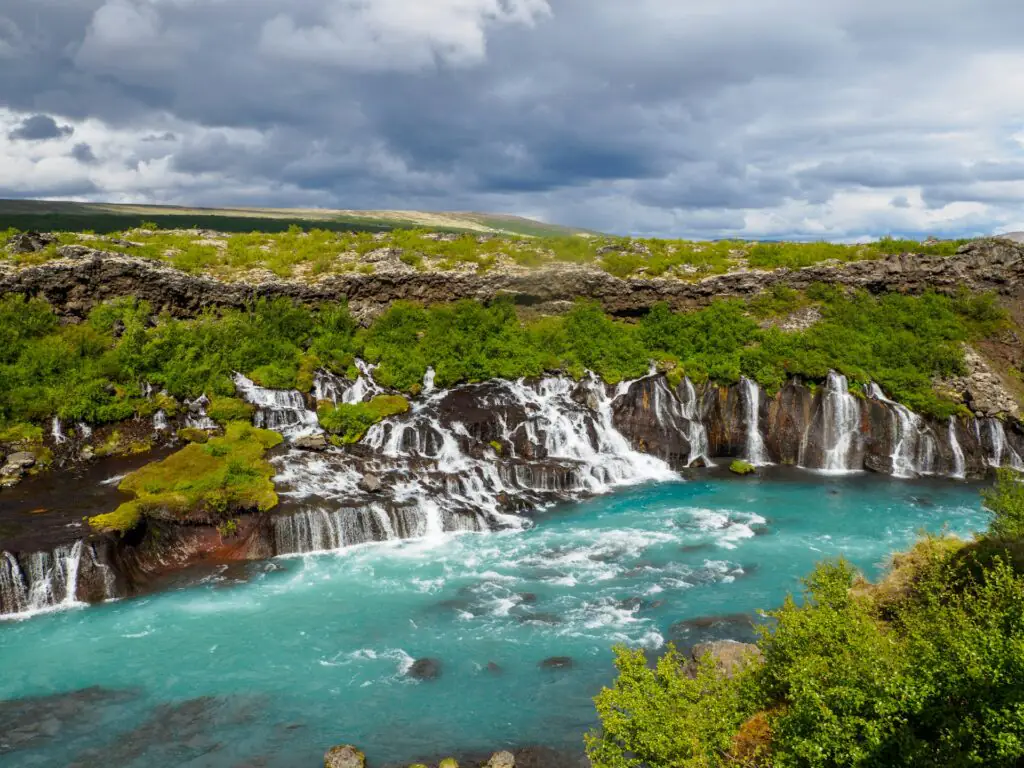
Planning a self-drive itinerary around the island allows you to visit some of the most beautiful and unique forests in Iceland, each offering a distinct atmosphere and scenic hiking trails. Deciding to hire a 4×4 with Hertz Iceland gives you the ultimate freedom to explore these green sanctuaries at your own pace, far from the hurried schedules of organized tour groups. From the massive woodlands of the east to the historic gardens near the Golden Circle, these forested stops will add a refreshing layer of natural beauty to your Icelandic road trip. Having your own vehicle means you can pack a picnic and spend hours relaxing in these serene spots without looking at the clock.
Your first major destination should be Hallormsstaðaskógur National Forest, located in East Iceland along the shores of the scenic Lake Lagarfljót. Spanning over 740 hectares, this impressive reserve holds the title of the largest forest in the country, boasting over 85 different tree species from all over the world. You can easily spend an entire day here exploring the 40 kilometers of well-marked hiking trails, enjoying a peaceful picnic by the water, or searching for the legendary lake monster. The forest features excellent campsites, clear streams of pure glacial water, and vibrant displays of wildflowers during the summer months, making it a paradise for outdoor enthusiasts. It is an absolute must-visit location that entirely redefines how people perceive the Icelandic landscape.
If you are traveling along the popular Golden Circle route, make sure to stop at Þingvellir National Park to visit the historic Vinaskógur, also known as the Friendship Forest. This unique woodland serves as a living symbol of international peace and connection, where visiting foreign dignitaries and heads of state plant trees to commemorate their relationship with Iceland. Walking through this tranquil grove allows you to see a beautiful variety of carefully tended native and imported trees set against the dramatic backdrop of the tectonic rift valley. It offers a peaceful, reflective escape from the busier viewing platforms of the national park, highlighting how deeply Icelanders value their growing tree population.
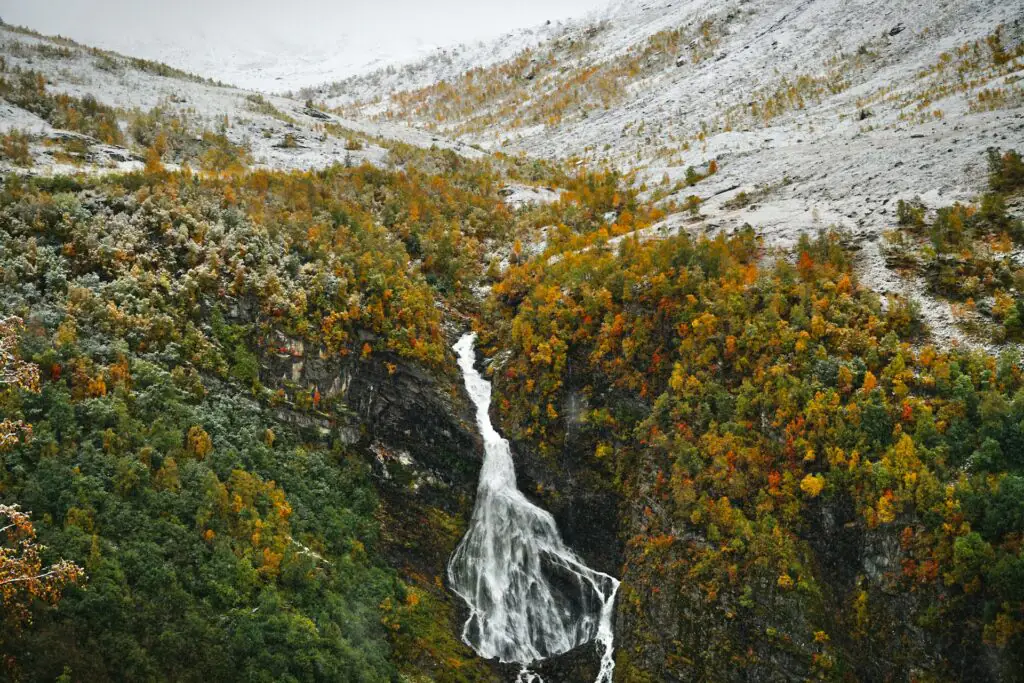
Further south along the Ring Road, nestled beneath the majestic glaciers of Vatnajökull National Park, lies the stunning forested oasis of Skaftafell. Here, a dense canopy of downy birch and hardy rowan trees climbs up the sheltered slopes of the mountain valleys, protected from the harsh coastal winds by towering basalt cliffs. Hiking through this lush woodland leads you to the famous Svartifoss waterfall, where crystal-clear spring water tumbles over dramatic, hanging hexagonal basalt columns. The contrast of the dark volcanic rock, the white rushing water, and the vibrant green leaves of the birch trees creates one of the most photogenic landscapes in all of southern Iceland. The way the natural microclimate of the valley shields these trees from North Atlantic storms is a beautiful marvel of geography.
For those venturing to the northern capital of Akureyri, Kjarnaskógur Forest is a must-visit destination that highlights the incredible success of local community reforestation efforts. Over the past fifty years, volunteers and foresters have transformed this once-barren hillside into a thriving 800-hectare woodland filled with over one million trees, including towering pines and larches. Today, Kjarnaskógur serves as a popular recreational hub for both locals and visitors, featuring:
To help you plan your green road trip efficiently, we have compiled a practical “Forest-by-Car” guide outlining the locations, accessibility, and ideal vehicle choices for the country’s top woodlands. While many of these forests lie close to the paved Ring Road, others require driving on narrow gravel paths or winding mountain roads. Matching your vehicle to your specific travel route ensures you can enjoy these beautiful forest drives safely and comfortably throughout the year. For detailed safety information, always consult our official Hertz Iceland safety portal.
| Forest Name | Location | Best Vehicle Choice | Key Natural Attraction |
| Hallormsstaðaskógur | East Iceland (Ring Road) | Standard Sedan or 4×4 SUV | Lagarfljót Lake & Hiking Trails |
| Vinaskógur (Þingvellir) | Southwest (Golden Circle) | Any Passenger Car | Tectonic Rifts & Historic Park |
| Skaftafell Woodlands | Southeast Coast | Standard Sedan or 4×4 SUV | Svartifoss Basalt Waterfall |
| Kjarnaskógur | North Iceland (Akureyri) | Any Passenger Car | Fjord Views & Family Playgrounds |
| Vaglaskógur | North Iceland (Fnjoskadalur) | 4×4 SUV (recommended) | Fnjóská River & Birch Canopy |
When selecting your vehicle, you must always consider the specific season of your visit and the types of roads you will encounter. During the pleasant summer months (June to August), the choice to hire an electric car in Iceland or rent a compact sedan is perfectly sufficient for driving to popular, well-paved forest sites like Vinaskógur, Kjarnaskógur, and Hallormsstaðaskógur. However, if you plan to visit these northern or eastern woodlands during the autumn or winter, snow, black ice, and strong winds can quickly make driving conditions hazardous. For winter travel, we strongly advise renting a robust 4×4 SUV equipped with studded winter tires to ensure maximum traction and safety on slippery mountain passes. Rural mountain lanes receive less frequent snowplow service, making vehicular preparedness a primary safety priority.
Manual | 4×4. A roomier step up from the Duster, with extra space for longer trips and budget Highland access.

Automatic | 4×4. High ground clearance and strong suspension for full Ring Road comfort and tough terrain.

Long Range | Automatic | 4×4. Premium fully-electric AWD with extended range for quiet, smooth paved road touring.
*Fleet availability varies by season. F-road certification applies to designated models like the Land Cruiser and Bigster; EV 4x4s are strictly for paved/approved gravel routes.
To keep our unique subarctic forests healthy and beautiful for future generations, all self-drive travelers must practice responsible travel habits. Always park your rental car in designated parking lots or marked laybys; never drive off-road, as this destroys fragile volcanic soil and slow-growing vegetation, which carries severe legal fines. Stick strictly to marked hiking trails when exploring the woodlands to prevent trampling delicate mosses, wild berries, and young tree saplings. Additionally, always carry your trash out of the forest with you and respect the local wildlife, ensuring that your presence leaves no negative trace on these precious ecological sanctuaries. Protecting these newly cultivated forests guarantees they will grow tall and strong for decades to come.
In recent decades, the Icelandic government and various passionate conservation groups have made restoring the country’s lost woodlands a top national priority. The Icelandic Forestry Association, founded in 1930, works closely with local landowners, schools, and international organizations to plant millions of new trees each year. These ambitious reforestation initiatives aim not only to restore the natural beauty of the island but also to fight climate change, reclaim eroded soils, and create windbreaks for agricultural communities. Modern foresters use a combination of native downy birch and carefully selected, fast-growing conifers to rebuild healthy, self-sustaining ecosystems.
As you explore the country, you will often see vast hillsides covered in neat rows of tiny green saplings, representing the future of the Icelandic landscape. These young plantations require careful monitoring and protection from free-roaming sheep, which farmers must keep fenced away from active planting zones until the trees grow tall enough to survive. Several innovative programs even allow travelers to participate directly in these conservation efforts by purchasing and planting their own trees during their holiday. Supporting these eco-friendly initiatives allows you to leave a lasting, positive green legacy in the volcanic soil, directly helping to restore the magnificent trees in Iceland for generations of future road-trippers to enjoy. It is an amazing feeling to know that your vacation can actively contribute to rebuilding an entire nation’s natural environment.
To help you wrap up your travel planning, we have compiled quick and practical answers to the most common questions travelers ask about the unique woodlands and reforestation efforts on our island:
Yes, there are indeed trees in Iceland, though they are much less common than in other European countries, currently covering only about two percent of the total land area. While the landscape is famous for its vast, open volcanic plains, moss fields, and glaciers, you will find thriving native birch woodlands and tall, modern conifer plantations scattered throughout the island. The most impressive and dense forests grow in the sheltered valleys of the north and east, where local reforestation projects have successfully cultivated millions of healthy trees over the last century.
The main reason why there are no trees in Iceland in many areas stems from historical deforestation caused by the early Viking settlers in the late ninth century. The settlers quickly cleared nearly all of the native woodlands to build houses, construct ships, and produce charcoal, which triggered severe wind and water soil erosion across the island. This historical logging, combined with centuries of intensive sheep grazing, frequent volcanic eruptions, and a challenging subarctic climate, prevented the natural regeneration of the forests, leaving behind the open, barren landscapes we see today.
Yes, historical records and scientific soil analysis confirm that a thick blanket of birch woodlands and low-lying shrubs covered between 25 and 40 percent of the island when the first Norse settlers arrived. The pristine, ancient landscape offered rich, fertile soils and natural shelter, which the settlers rapidly exploited to establish their farming communities. Within just a few decades, this intensive human activity and agricultural expansion completely transformed the island’s geography, reducing the lush subarctic forests into open pasturelands and barren gravel deserts.
The largest forest in the country is Hallormsstaðaskógur National Forest, situated in beautiful East Iceland along the scenic, glacier-carved shores of Lake Lagarfljót. Spanning over 740 hectares of protected land, this magnificent reserve features over 85 different tree species, including ancient native birch trees and towering pines imported from across the globe. The forest serves as a highly popular destination for outdoor recreation, offering visitors 40 kilometers of scenic hiking trails, peaceful campsites, and excellent opportunities for berry picking and bird watching.
Absolutely, you can easily visit almost all of the major Icelandic forests by rental car, as most of them feature convenient access roads located just a short drive from the main Ring Road highway. Having your own vehicle allows you to travel comfortably to scenic forest parks like Hallormsstaðaskógur, Skaftafell, and Kjarnaskógur at your own pace. This self-drive approach ensures that your exploration of Iceland’s green side is completely custom, relaxed, and unforgettable.
Hunting down the hidden forests and ambitious pine plantations of Iceland offers a profound, rewarding counter-narrative to the country’s reputation as a sterile lunar landscape. Every single green valley you encounter, from the sprawling trails of Hallormsstaðaskógur to the glacier-shielded birches of Skaftafell, represents a monumental achievement against historic ecological loss. Embarking on a self-drive itinerary to explore these woodlands gives you a deeper connection to the true story of the island, moving past standard tourist viewpoints into a landscape defined by preservation and growth. To ensure your eco-expedition remains perfectly safe, always align your rental car choice with the seasonal nuances of the subarctic weather, opting for a robust 4×4 vehicle when tackling unpredictable shoulder months or rural mountain roads. Treat the young saplings with respect, stay on designated wilderness trails, and prepare to discover a stunning, tree-filled world hidden within the vast and dramatic horizons of the Land of Fire and Ice.





Sign up for big savings!