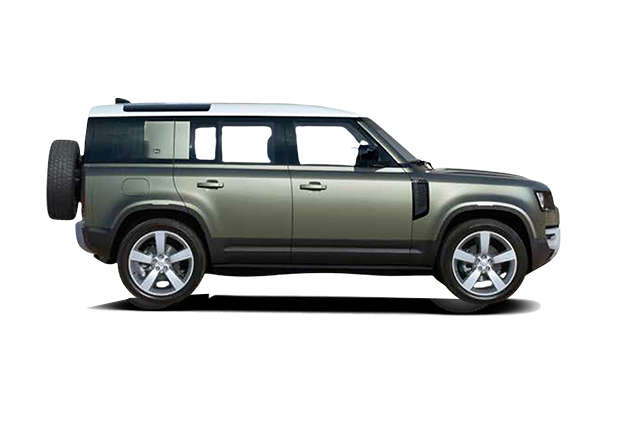
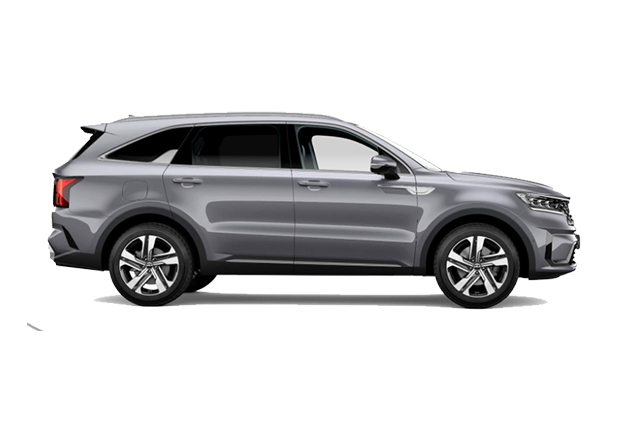
Land Rover Defender
Automatic | 4×4. The definitive Highland-ready full-size SUV, combining serious 4WD capability with a comfortable cabin.
Seats 5
Luggage 3
While the town of Grindavík is currently strictly closed to casual visitors due to recent volcanic eruptions along the Sundhnúkur crater row, the surrounding Reykjanes Peninsula remains open, safe, and packed with geothermal wonders. Exploring this active sub-arctic region safely requires avoiding restricted monitoring zones, keeping track of daily safety reports, and choosing a reliable vehicle capable of handling sudden coastal detours. This self-drive guide outlines the exact safety boundaries, road closures, and alternative southern itineraries you need for a responsible adventure.
Before planning a journey to this region, travellers must understand the dramatic geological transformations that have occurred. The historic fishing community of Grindavík, Iceland, once a thriving coastal town, has been profoundly altered by recent fissure eruptions along the nearby Sundhnúkur crater row. These powerful events caused significant ground fractures and infrastructural damage, leading authorities to safely evacuate the town’s residents.
Today, the situation has stabilized, and there is no active volcanic eruption in the area (the last eruption concluded in August 2025). As a result, Grindavík is now officially open to the public and tourists. However, the town remains under an “uncertainty phase” declared by the Department of Civil Protection due to ongoing seismic activity. Understanding the current access rules and respecting the restricted monitoring zones is the first step toward responsible travel.
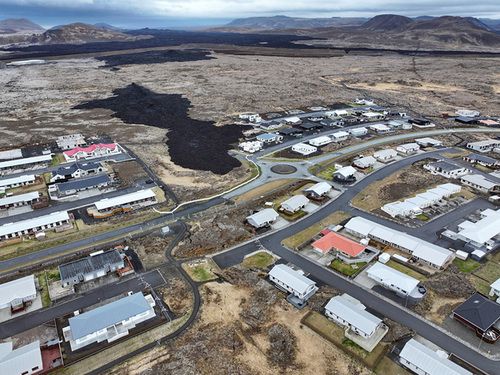
Geographically, Grindavík, Iceland, sits on the rugged southern shore of the Reykjanes Peninsula, situated in a region defined by vast, moss-covered lava fields, steaming geothermal vents, and active tectonic fissures. Because the Earth beneath the peninsula remains highly dynamic, scientists continuously track seismic activity, ground deformation, and gas emissions. Staying informed about the real-time safety status of the region remains the most critical aspect of your holiday planning.
While the town is accessible, specific security measures and limitations remain in effect to ensure public safety:
| Infrastructure / Area | Current Status & Safety Considerations |
| Roads & Access Routes | Grindavíkurvegur and other connecting roads are open, utilizing temporary routes built directly over the new lava. Short-notice temporary closures may still occur due to roadwork or seismic shifts. |
| Within Grindavík Town | Open, but several streets and zones are strictly closed due to the risk of hidden fissures and compromised infrastructure. Visitors must stay on designated, marked paths and never venture off-route. |
| The Blue Lagoon | Open to visitors. Operating hours and authorized access roads may fluctuate depending on the latest localized hazard assessments. |
To plan your daily routes safely, you must actively review daily volcanic trackers, seismic maps, and emergency alerts before ever starting your rental vehicle. Understanding active hazards, checking toxic gas exposure levels, and following official civil protection protocols ensures a completely secure exploration of the wider peninsula. Local safety networks and emergency services update their databases constantly, making it easy for travellers to plan safe detours and avoid restricted areas while enjoying the dramatic scenery from designated safe viewpoints. For comprehensive information on how to prepare for Iceland’s unique driving challenges, consult the official Hertz Iceland safety portal.
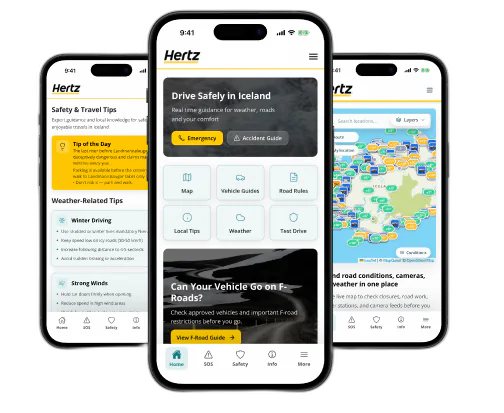
Get instant access to your rental details, helpful travel information, and more—all from your phone.


Embracing a self-drive road trip around the Reykjanes Peninsula offers some of the most spectacular coastal drives and raw volcanic landscapes in the country, but the active environment requires a strategic approach. While major paved highways, such as the main Route 41 connecting the capital to the international airport, remain fully open and perfectly safe, secondary coastal roads frequently experience temporary road closures depending on seismic activity. Navigating the vicinity of Grindavík, Iceland, safely requires an adaptable mindset, a robust vehicle, and constant route monitoring.
To ensure a smooth journey, you must familiarise yourself with the regional transit maps and expect potential diversions. Always utilise active, official road reports to identify physical road damage, detours, and alternative scenic highways, which will keep you far away from active volcanic hazards. When you collect your vehicle at Keflavík International Airport, our professional staff will provide you with the most current, up-to-date transit maps to ensure you stick to safe, approved driving corridors.
To help you estimate your driving times and plan your Reykjanes itinerary safely, you can use this quick-reference table showing distances and average driving times to key peninsula points:
| Starting Location | Distance | Approximate Driving Time | Primary Route |
| Keflavík Airport (KEF) | 25 km | 20 minutes | Route 41 to Route 43 |
| Reykjavík | 52 km | 45 minutes | Route 1 to Route 41 to Route 43 |
| Blue Lagoon | 22 km (from KEF) | 20 minutes | Route 41 to Route 43 |
If you plan to relax in the famous mineral-rich waters nearby, keep in mind that road access to the Grindavik and Blue Lagoon area can change rapidly due to geological activity. You must pre-book your timed entry tickets online, as the facility strictly regulates guest capacity for safety. To check the real-time status of the spa, road conditions, and detour routes, our detailed Hertz Iceland blue Lagoon Iceland Travel Guide provides essential safety instructions and updates to ensure a safe and relaxing soak in the silica pools.
Although the town itself is strictly off-limits to visitors, the wider Reykjanes Peninsula remains a spectacular haven packed with geothermal attractions. Exploring the dramatic landscapes surrounding Grindavík, Iceland, allows you to experience the immense, raw power of plate tectonics in a highly responsible manner. To safely witness spectacular geological formations, you can plan a custom self-drive tour of the peninsula’s volcanic features.
For those eager to see young lava fields up close, hiking the scenic trails near stable, recent eruption sites offers an unforgettable opportunity to observe steaming volcanic terrain. However, you must wear sturdy, ankle-supportive hiking boots, carry sufficient water, and strictly obey local trail markings to avoid stepping onto unstable crusts or fragile, slow-growing arctic moss.
There are still plenty of incredible and completely safe things to do in Grindavik’s surrounding areas on the peninsula. By choosing a self-drive adventure with a reliable vehicle, you can easily explore these outstanding geological landmarks:
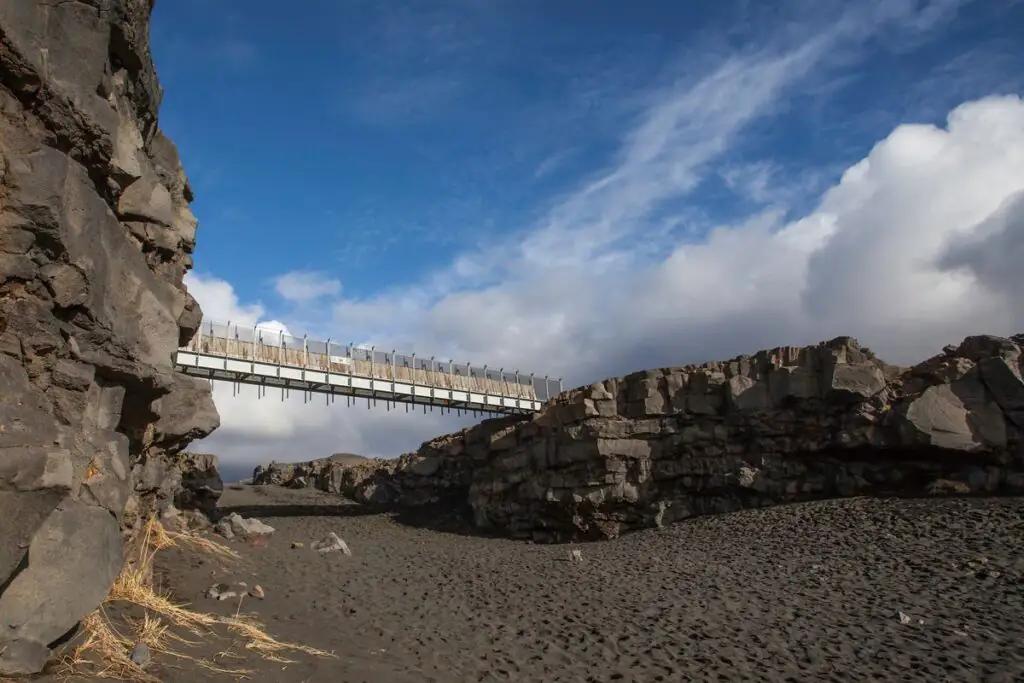
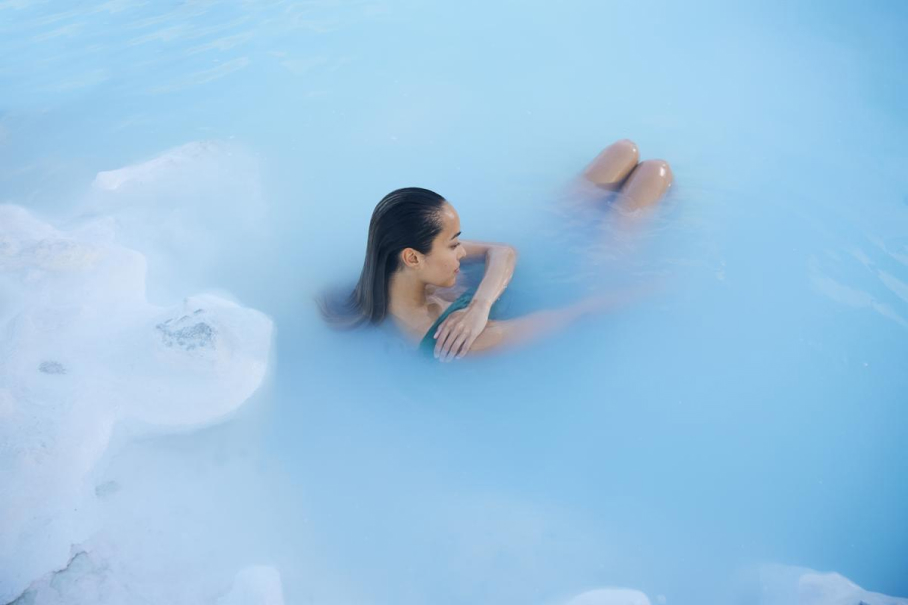
The spectacular Reykjanes Geopark serves as a certified geological wonderland, showcasing some of the most unique plate boundary formations on Earth. Planning a self-drive journey around the coastal areas of Grindavík, Iceland, provides a profound look at our planet’s active crust. If you plan to visit the famous geothermal spa nearby, remember that the Blue Lagoon requires pre-booked admission tickets.
Volcanic activity can trigger temporary, precautionary closures of the spa to guarantee visitor safety, but civil protection teams reopen the facilities once conditions fully stabilise behind the robust protective barriers. Between your stops, you will drive past vast, rolling lava fields covered in thick, pale green moss. You must always stay strictly on the marked, gravel-covered pathways, as stepping on the delicate Icelandic moss causes irreversible damage that takes decades to recover.
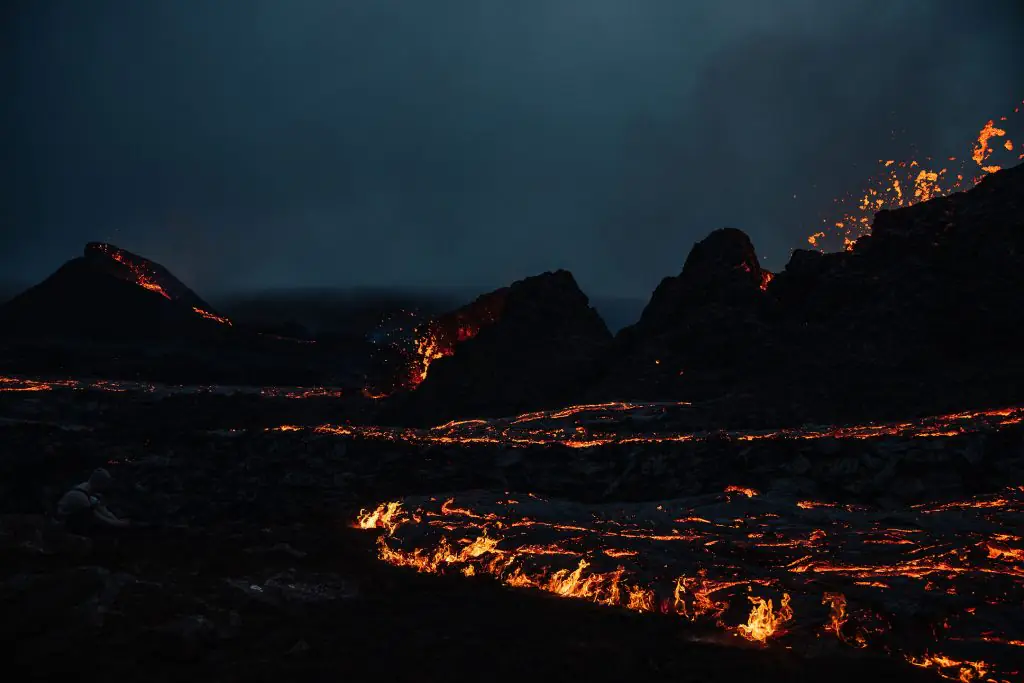
The recent eruptions of the Grindavík, Iceland, volcanic systems highlight the incredibly dynamic geological environment of the southwest coast. The peninsula had remained volcanically dormant for over 800 years until the Fagradalsfjall eruption began in 2021. Since then, multiple eruptive fissures have opened, including the recent active events near the Sundhnúkur crater row, which directly impacted the town of Grindavík in Iceland.
The Grindavik volcano system behaves differently from explosive stratovolcanoes; instead, it produces effusive, basaltic lava flows that erupt from long cracks in the Earth’s crust. While these eruptions do not typically release massive ash clouds or disrupt international flights, they pose significant local hazards. These include fast-moving lava flows, volcanic gas pollution, and sudden ground fractures. To ensure public safety, civil protection teams monitor the peninsula around the clock using highly sensitive GPS equipment, seismometers, and gas detectors, evacuating zones long before danger reaches visitors.
Your driving safety depends entirely on your willingness to adapt your itinerary when geological conditions shift. Authorities implement strategic road closures to protect travellers from active hazards like toxic gases, seismic cracks, or unstable road surfaces damaged by earthquakes. Adjusting your driving route around Grindavík, Iceland, is a natural, necessary safety practice when travelling through active geothermal zones.
You must check the official Road.is website and SafeTravel.is multiple times a day during your self-drive holiday. If local authorities block a road leading to your planned destination, accept the detour immediately and explore another spectacular, safe region of the peninsula. Never search for alternative gravel tracks or attempt to bypass safety barriers, as doing so puts your life and the lives of rescue teams at unnecessary risk.
Choosing a safe, reliable vehicle for your journey to the open areas near the southwest coast ensures a comfortable and worry-free driving experience. Securing the best rental car for Iceland travel is essential, as the route requires an adaptable mindset, a robust vehicle, and constant route monitoring.
Automatic | 4×4. The definitive Highland-ready full-size SUV, combining serious 4WD capability with a comfortable cabin.
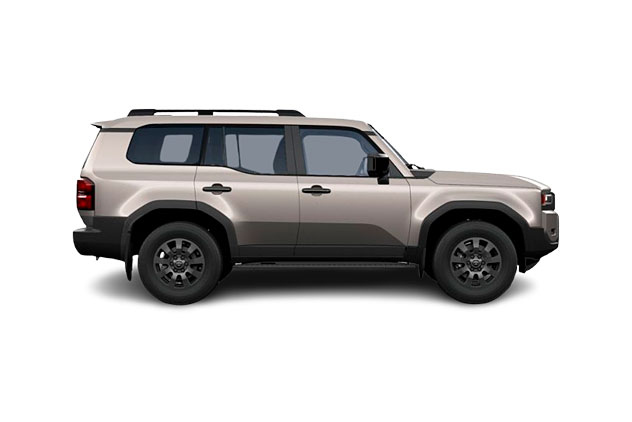
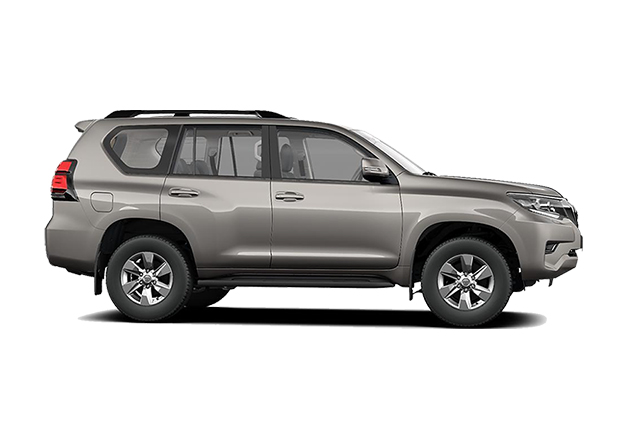
Automatic | 4×4. The latest generation Land Cruiser, with the largest luggage capacity in our full-size range.
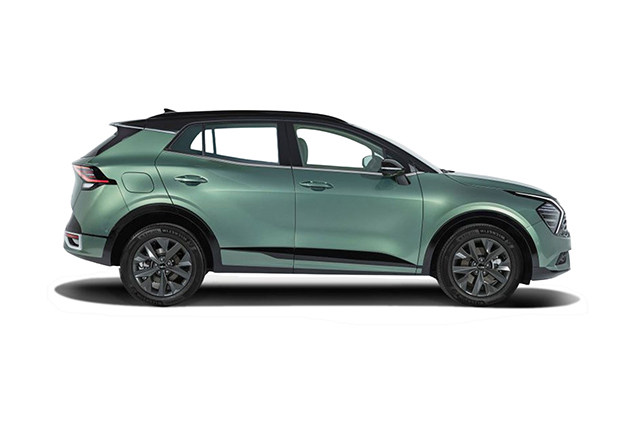
Automatic | 4×4. Generous space for families, with the traction to handle F-road tracks when open.
*Fleet availability varies by season. Always verify F-road openness on road.is before traveling into Highland areas.
Ready to hit the road to Grindavík? We know an unforgettable journey brings up a few questions. Here, we’ve gathered the essential answers to help you navigate your adventure to this spectacular volcanic region.
Currently, authorities strictly close the town of Grindavík to the general public due to active hazards from recent volcanic activity, including unstable ground, open fissures, and volcanic gas emissions. Safety remains the absolute top priority for anyone travelling near Grindavík, Iceland.
The best things to do in Grindavik’s vicinity include exploring the Bridge Between Continents, seeing the boiling mud pools of Gunnuhver, visiting the spectacular Valahnúkabót cliffs, or relaxing at the nearby Blue Lagoon when open. Hiking the scenic trails near the older eruption sites like Litli–Hrutur also provides a unique and fascinating look at Iceland’s recent volcanic history.
Yes, the Blue Lagoon sits just a few kilometres north of the town. The proximity of the geothermal spa to Grindavík, Iceland, means both sites share the same volcanic geological system. While the spa is close to the active volcanic zone, robust protective barriers now safeguard the facilities.
No, you cannot drive into the town during active volcanic eruptions. Road access to Grindavík, Iceland, remains strictly regulated and closed to tourist traffic during volcanic events. Authorities close all roads leading to the town to ensure public safety. Always consult Road.is and SafeTravel.is before starting your drive to see which roads remain open and which areas near the Grindavik volcano are strictly kept off-limits to visitors.
We highly recommend renting a robust 4×4 SUV. A robust vehicle ensures you can navigate the coastal roads around Grindavík, Iceland, safely and comfortably, providing the stability and traction needed for unpredictable weather and gravel detours. A reliable 4×4 vehicle is the perfect choice to suit your needs.



Sign up for big savings!