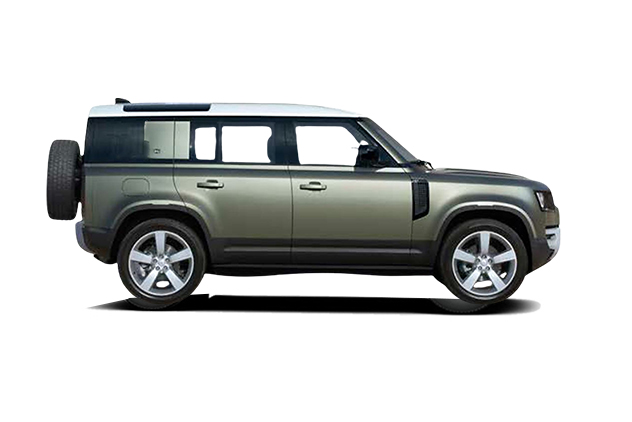
Land Rover Defender
Automatic | 4×4. The definitive Highland-ready full-size SUV, combining serious 4WD capability with a comfortable cabin.
Seats 5
Luggage 3

Discover Hvítserkur, a majestic sea stack in the heart of Húnaflói Bay, known as the “Troll of Northwest Iceland.” This 15-meter tall basalt rock formation, resembling a mythical creature, is a true spectacle of nature. Its name, ‘white shirt’, comes from the bird droppings that cover its surface, adding to its mystical appearance. Hvítserkur is not just a geological wonder; it’s a symbol of the raw, unbridled beauty of North Iceland.
The Hvítserkur (White Shirt Basalt Stack) rock formation represents a striking geological wonder that rises 15 meters out of the ocean. Geologists classify this unique structure as a volcanic plug, which cooled millions of years ago to form dense basalt columns. Over centuries, the relentless waves of the Atlantic Ocean eroded the surrounding softer rock, leaving only this dramatic silhouette behind. To prevent the iconic stack from collapsing entirely, local authorities reinforced its narrow base with concrete in 1995. The weather around Hvitserkur, Iceland, can change within minutes, transforming the dark basalt structure from a bright, sunlit sculpture into a dark, dramatic silhouette against the stormy northern sky. Many photographers consider Hvítserkur to be one of the most photogenic landmarks in the country due to its resemblance to a drinking dragon or elephant.

The name translates literally to “white shirt” due to the nesting seabirds that cover the dark basalt with pale guano during the summer months. According to local folklore, the Hvítserkur rock in Iceland actually represents a petrified troll. Legend says this ancient creature lived in the peninsula and sought to destroy the bells of the nearby Þingeyraklaustur monastery. Because the troll lost track of time during his mission, the first rays of the morning sun caught him in the open, instantly turning his massive body to stone. Planning a safe trip to Hvítserkur requires selecting a reliable vehicle that can handle the remote access roads. Iceland’s coastline offers some of the most dramatic landscapes in the world, and this sea stack stands proud as a premier coastal attraction. When planning your journey to see this majestic stack, you can read our guide to the spectacular Iceland beaches to discover other dramatic black sand shores, basalt columns, and coastal wonders that make our coastline world-famous. This guide consists of an in-depth breakdown of the country’s most scenic shores, includes safety warnings regarding sneaker waves, and helps you select the safest coastal stops for your vacation. To complement your self-drive trip with guided boat tours or local excursions around the North Coast, explore options on the Hertz Iceland TourDesk.

Navigating to the Vatnsnes Peninsula requires an organized travel plan, especially when leaving major cities like Reykjavík or Akureyri. If you start your journey in the capital city of Reykjavík, you will drive north along Route 1 (the Ring Road) for approximately 230 kilometers. Once you pass through the town of Hvammstangi, you will turn onto Route 711, which loops around the scenic peninsula. The final stretch of your drive involves traveling north along this road until you reach the designated parking area. The rising tide around Hvitserkur, Iceland, creates a beautiful reflection on the wet sand, making the long journey highly rewarding for dedicated road-trippers.
If you are wondering how to get to Hvitserkur from the northern capital, the drive is relatively straightforward but demands your full attention. From Akureyri, you will travel west on the Ring Road for about 140 kilometers before turning north onto the eastern side of Route 711. To help you navigate this remote region, we highly recommend reading our detailed Northern Iceland road trip travel guide, which details the best routes, hidden hot springs, and scenic detours that ensure a seamless journey across the North.
This guide consists of expert driving tips, includes curated itineraries for northern exploration, and explains why choosing self-drive travel is the best way to bypass crowded tour buses. Because the northern paths feature unpredictable terrain, choosing from our fleet of reliable 4×4 cars in Iceland provides you with the essential traction, stability, and ground clearance required to explore remote coastal peninsulas safely. This vehicle hire service consists of modern four-wheel-drive SUVs, includes seasonal tires tailored for Icelandic road demands, and ensures you remain safe regardless of sudden weather changes. You can pick up your vehicle from any of our convenient Hertz rental locations, including Keflavík International Airport and downtown Reykjavík, allowing you to start your road adventure immediately with peace of mind. Our pickup service consists of quick digital check-ins, includes expert rental agent advice, and represents the safest way to guarantee a reliable vehicle for your holiday.
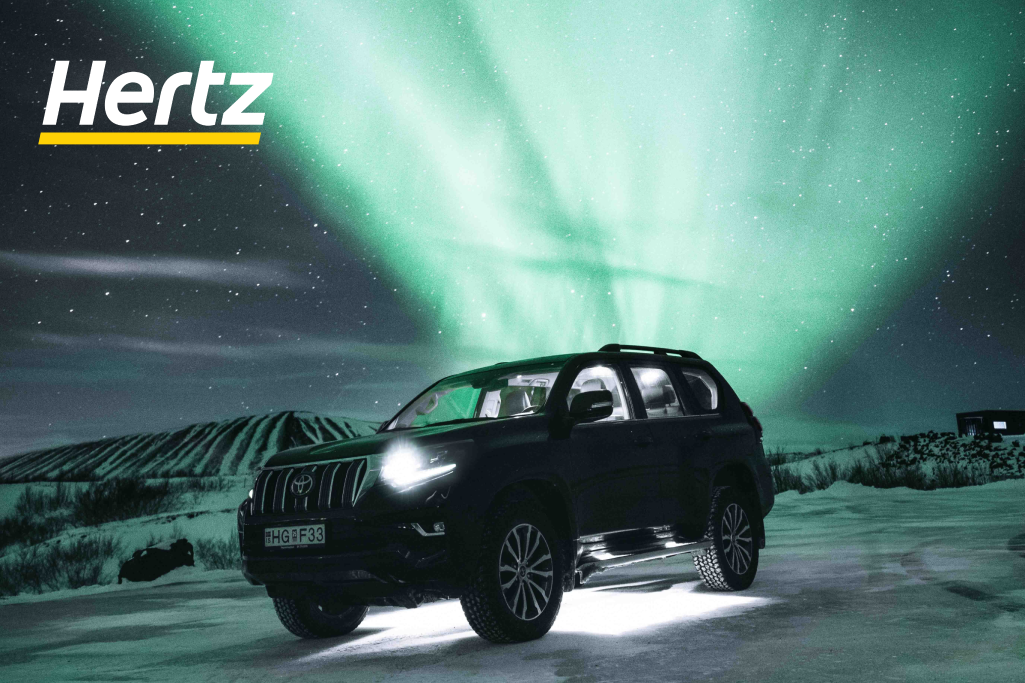
While the initial drive on the Ring Road remains smooth and paved, driving to Hvítserkur along Route 711 introduces a completely different road experience. This notorious gravel road stretches for over 30 kilometers and features severe washboards, deep potholes, and loose gravel. Even during the peak of summer, the road surface can deteriorate rapidly after rain, creating slippery mud and deep pools of standing water. Drivers must lower their speeds significantly to maintain control of their vehicles on these unstable surfaces. Visiting Hvítserkur during the midnight sun offers incredible light, but you must remain alert on the unlit gravel roads during your late-night drive. Before setting out on unpaved coastal loops like Route 711, always check live road alerts and weather warnings on the official Hertz Iceland Safety Portal.
The speed limit on gravel roads in Iceland is 80 km/h, but you should rarely drive at this speed on Route 711. Maintaining a speed of 30 to 50 km/h is often necessary to safely navigate the sharp bends and avoid puncturing tires on sharp volcanic rocks. Oncoming traffic also poses a significant hazard, as passing vehicles can easily throw up loose stones that crack windshields and chip paint. Always slow down when passing another vehicle to minimize the risk of flying debris.
Adding this spectacular peninsula to your self-drive journey fits perfectly into a larger adventure, such as our popular 8-day Iceland Ring Road itinerary, which includes all the major sights while offering detailed daily driving tips for a complete circular trip. This itinerary consists of a curated day-by-day plan, includes accommodation suggestions, and explains why driving yourself remains the ultimate way to experience the country’s hidden gems. If you are starting your journey from the capital of the north, our dedicated Akureyri car rental office offers a wide selection of vehicles, local expertise, and nationwide support to support your northern explorations. This local rental service consists of custom vehicle inspections, includes winter-ready cars, and provides travelers with immediate support in the northern territory.
Alternatively, visiting during the shoulder seasons of late spring or early autumn can also be rewarding. These periods see fewer tourists, allowing for a more serene experience. For those who brave the cold, winter visits to Hvítserkur are enchanting. Winter visits also offer the enchanting sight of the northern lights, creating a mesmerizing scene with the moon and aurora borealis illuminating the night sky.
The rock, dusted with snow and set against the stark winter landscape, presents a dramatic scene. This time of year also increases the chances of witnessing the northern lights, adding a spectacular backdrop to Hvítserkur.

Once you survive the bumpy gravel drive on Route 711, you will arrive at the official Hvítserkur parking lot. This gravel parking area is free to use and provides a safe spot to leave your vehicle while you explore the cliffs. Keep in mind that this remote location does not feature modern facilities, such as public restrooms or visitor centers. You should plan your restroom stops in the nearby towns of Hvammstangi or Blönduós before heading out onto the peninsula. The local folklore surrounding Hvitserkur captures the imagination of everyone who visits this wild coastline, making the challenging journey well worth the effort.
From the parking lot, you can access two distinct paths to view the famous rock. The main trail leads to a wooden viewing platform located on the cliff’s edge, offering a safe and panoramic vantage point. This walk is short and relatively flat, making it accessible for most travelers. From here, you can capture stunning photographs of the sea stack rising proudly from the bay, framed by the dark sand coastline and nesting seabirds. If you want to capture the perfect shot of Hvítserkur, Iceland, check the local tide charts to plan your arrival during sunset or low tide.
For those who wish to walk down to the black sand beach, a second trail descends down the steep cliffside. This path is short but exceptionally steep, muddy, and loose, which can make the descent highly challenging for unprepared visitors. You must wear sturdy hiking boots with excellent grip to avoid slipping on the loose dirt. At low tide, the walk is incredibly rewarding as you can approach the base of the rock on foot. However, you must monitor the tides closely to avoid getting trapped by rising water. The journey to Hvitserkur is just as memorable as the destination, provided you respect the power of the ocean.

Visiting the Vatnsnes Peninsula offers far more than just a single geological landmark. This region hosts some of the largest and most active seal colonies in the country. Combining your drive to the basalt stack with a wildlife-watching tour along the coast makes for an incredible day. Keep your eyes on the shoreline as you navigate the gravel roads, as seals often rest on the seaweed-covered rocks just off the coast. Always respect the delicate coastal ecosystem when visiting Hvítserkur, Iceland, and its neighboring wildlife sanctuaries to preserve this pristine environment for future generations.
One of the best designated stops for observing these marine mammals is Illugastaðir, located on the western side of the peninsula. Here, a well-marked walking path leads to a quiet observation hut equipped with binoculars for visitors. Another excellent location is Svalbarð, which offers great coastal views and peaceful walking trails. Before or after your drive, stop by the town of Hvammstangi to visit the Icelandic Seal Center. This educational museum provides deep insights into seal biology, local conservation efforts, and ongoing marine research.

Selecting the correct vehicle is the single most important decision you will make for your northern road trip. While some travelers attempt to navigate gravel roads in small two-wheel-drive compact cars during the summer, we strongly advise against it. The rough corrugation and sharp rocks of Route 711 can easily damage low-clearance vehicles, leading to costly repair bills that are not covered by standard rental agreements. Compare our recommended vehicle classes below:
| Travel Scenario & Season | Recommended Vehicle Category | Road Compatibility | Essential Insurance Coverages |
| Summer Route 711 & Vatnsnes Loop | Mid-Size / Full-Size 4×4 SUV | Unpaved Route 711 gravel, potholes, & dirt lots | Gravel Protection (GP) & Sand and Ash Protection (SAAP) |
| Winter Travel (October–May) | Robust 4×4 SUV with Studded Tires | Snow-covered coastal highways & unplowed gravel loops | Essential 4WD traction; GP & SAAP protection against flying grit |
Automatic | 4×4. The definitive Highland-ready full-size SUV, combining serious 4WD capability with a comfortable cabin.
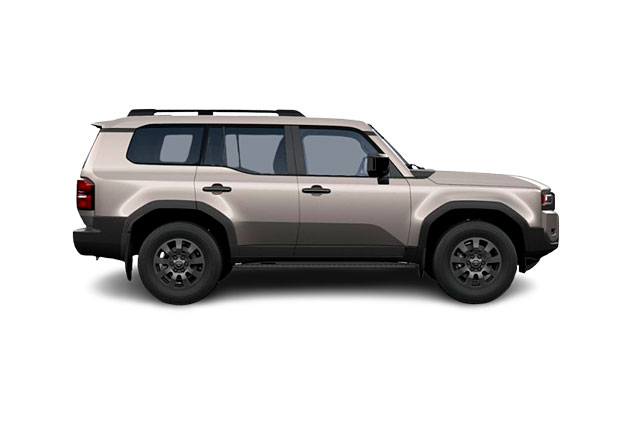
Automatic | 4×4. The latest generation Land Cruiser, with the largest luggage capacity in our full-size range.
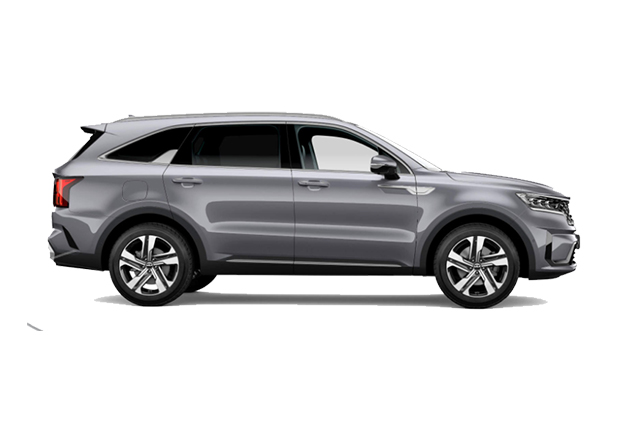
Automatic | 4×4. Generous space for families, with the traction to handle F-road tracks when open.
*Fleet availability varies by season. Always verify F-road openness on road.is before traveling into Highland areas.
When driving in Hvitserkur, Iceland, choosing a robust four-wheel-drive SUV is essential for several critical reasons. First, a 4×4 vehicle offers higher ground clearance, which protects the undercarriage from being struck by loose stones and uneven road ridges. Second, the advanced traction control of a 4×4 provides superior handling on loose gravel, preventing the car from sliding on sharp corners. This extra level of safety is invaluable when navigating the remote coastal cliffs.
In addition to renting a 4×4, we highly recommend purchasing Gravel Protection (GP) . Standard collision damage waivers in Iceland typically exclude damage caused by loose gravel thrown up by other cars. Gravel Protection specifically covers repairs for:
A single flying stone can easily crack a windshield on Route 711, resulting in expensive replacement fees at the end of your trip. Securing Gravel Protection ensures you can explore the rugged northern coast with complete peace of mind, knowing you are protected from these common road hazards.
Hvítserkur is located on the eastern shore of the Vatnsnes Peninsula in Northwest Iceland. It sits 250 km north of Reykjavík and 190 km west of Akureyri. The nearest service hub is Hvammstangi, located 30 km away.
While Route 1 is paved, the access road (Route 711) is entirely unpaved gravel. Notorious for potholes, sharp stones, and heavy washboards, it requires slow and cautious driving.
While a standard car can manage in summer, a 4×4 SUV is highly recommended for higher ground clearance and traction on gravel. A 4×4 is highly recommended in winter and shoulder seasons due to severe ice and snow.
The walk to the cliffside viewing platform takes 5 minutes on a flat gravel path. Walking down to the black sand beach takes 10 minutes, but the path is steep, muddy, and slippery.
Yes, but it requires a fully equipped 4×4 with studded tires. Route 711 is not regularly snowplowed, making snowdrifts and ice frequent hazards. Always check live road conditions and weather alerts before driving.
Planning your self-drive adventure across Iceland? Explore our destination guides, wildlife watching tips, and essential rental insurance advice: