Iceland offers some of the most dramatic volcanic landscapes on Earth, and East Iceland holds some of its best-kept secrets. Travelers head to this region to experience raw nature, towering mountains, and deep fjords. Among the many geological wonders here, the magnificent Hengifoss waterfall stands out as a must-see destination—cascading down a massive cliffside with striking red clay layers that show off millions of years of geological history.
Planning a trip to this remote area requires careful preparation, especially regarding transportation and hiking logistics. Driving yourself gives you the ultimate freedom to explore these eastern landscapes at your own pace without relying on busy tour buses. This self-drive manual covers everything you need for an unforgettable journey: reaching the trailhead safely, navigating local road conditions around Lagarfljót (Lake Lagarfljót), parking details, and preparing for the trail hike. Pack your boots, prepare your camera, and get ready to explore the eastern wilderness.
Why visit the red-layered Hengifoss waterfall?
You should place this attraction at the very top of your Icelandic travel bucket list because of its sheer geological beauty. Unlike standard cascades, the spectacular Hengifoss (Hanging Falls) drops 128 meters into a magnificent canyon, making it the second-tallest waterfall in the country. The dramatic cliff face features striking horizontal red clay layers sandwiched between dark basalt strata. These vivid red stripes represent ancient soil layers that oxidized millions of years ago during volcanic periods. When you look at the canyon walls, you are staring directly at five million years of geological history.
Many landscape photographers consider Hengifoss to be one of the most photogenic locations in northern and eastern Iceland. If you love unique natural landmarks, you can consult our best 10 waterfalls in Iceland self-drive guide. This digital guide consists of complete driving directions, detailed safety tips, and expert recommendations for finding Iceland’s most famous cascades, helping you plan a flawless road trip across the country.
As a bonus, the trail to the main falls rewards you with a second spectacular waterfall called Litlanesfoss. While hiking to the main Hengifoss waterfall, the trail rewards you with this lower cascade, which stands inside a narrow gorge framed by some of the tallest basalt columns in Iceland. The geometric columns stand straight and curve in organic patterns, creating a stunning visual contrast with the rushing white water. Visiting this canyon allows you to experience two completely different, world-class geological formations on a single walking path.
This makes the area incredibly unique compared to other famous sites. For instance, if you read our Dettifoss waterfall travel guide, you will discover that while North Iceland offers incredible hydraulic power, East Iceland provides unmatched artistic geology. Our North Iceland guide consists of route options, safety advice for wet trails, and parking details for Europe’s most powerful waterfall, which helps you compare these two iconic destinations.


How to drive to Hengifoss from Egilsstaðir
Reaching the parking area of the Hengifoss waterfall is straightforward when you start your journey from Egilsstaðir, the main hub of East Iceland. To begin, you will pick up your rental car and head south out of the town center. If you want to simplify your logistics, we recommend booking a vehicle directly at our local branch. Travelers can use the Hertz Egilsstaðir rental office, which consists of a convenient airport pick-up service, a wide selection of well-maintained vehicles, and expert local advice. Choosing this regional office allows you to fly directly into the east and start driving immediately, avoiding the long eight-hour drive from the capital. Once you have your vehicle, you will navigate toward the southern shores of Lake Lagarfljót, where the scenic routes begin.
Before you depart on your journey, you must plan your travel budget carefully to avoid unexpected expenses. To help you calculate your vacation costs, you should read our comprehensive Iceland car rental cost breakdown. This budget guide consists of detailed price charts, seasonal rental comparisons, insurance options, and fuel cost estimates, which help you choose the most cost-effective vehicle for your journey. Understanding how to get to Hengifoss safely and affordably ensures a stress-free road trip. The route from Egilsstaðir spans approximately 35 kilometers and takes about 35 to 40 minutes under normal driving conditions. You will follow the main paved highways until you reach the southern tip of the lake, where the road splits into scenic detours.
Navigating Route 931 and East Iceland roads
To reach the trailhead, you must drive along Route 931, which loops completely around the mystical Lake Lagarfljót. You can choose to drive down either the eastern or western side of the lake, as both routes eventually converge near the waterfall. Route 931 loops completely around the lake and leads you to the Hengifoss waterfall trail. The western route takes you past the beautiful Hallormsstaðaskógur forest, which is the largest forested area in Iceland.
However, you must prepare for changing road conditions, as driving in East Iceland often involves navigating narrow lanes, steep hills, and unexpected gravel patches. While the local authorities pave most of Route 931, certain sections near the southern bridge contain loose gravel that requires slower speeds. Before setting out each morning, always verify live road conditions and weather warnings on the official Hertz Iceland Safety Portal. If you want to explore the surrounding area further, you should check out our East Fjords exploration by car guide. This driving resource consists of scenic itinerary suggestions, detailed safety recommendations, and local secrets, helping you navigate the dramatic coastal roads with absolute confidence.
Route 931: Lake Lagarfljót Circuit to Hengifoss
Drive the scenic Route 931 loop from Egilsstaðir around mystical Lake Lagarfljót, past Hallormsstaðaskógur forest, directly to the Hengifoss waterfall trailhead.
Egilsstaðir Launch Point
Hengifoss Waterfall Trailhead
Because the regional roads can challenge standard vehicles, we highly recommend selecting an all-wheel-drive car for your journey. You can browse the extensive Hertz 4×4 rental fleet, which consists of modern SUVs, robust off-road vehicles, and excellent safety features. Choosing a 4×4 vehicle from our fleet provides the necessary ground clearance, superior traction, and stability you need to navigate gravel roads and sudden weather changes safely. When you drive on Route 931, always watch for sheep wandering onto the asphalt, especially during the summer months. Slow down immediately when approaching one-lane bridges, and yield to oncoming traffic as required by Icelandic road laws.
Hengifoss parking and trailhead information
When you arrive at the Hengifoss waterfall parking lot, you will find a well-designed parking area located right next to the main road. The Hengifoss parking lot does not charge any parking fees and offers excellent amenities for visitors, including clean public restrooms and informative maps. The parking lot also serves as a trailhead information hub with local maps. If parking apps like Parka are required at other regional trailheads during your road trip, ensure your license plate is entered accurately to avoid administrative fees being added to your rental contract.
During the peak summer travel season, local food trucks often park here, offering hot coffee, Icelandic pastries, and light snacks to hungry hikers. We recommend arriving early in the morning or later in the afternoon to secure a spot, as the parking lot can fill up quickly during sunny summer days. The trailhead begins directly at the edge of the parking lot, marked by a clear wooden gate and a safety sign.
If you plan to stay overnight in this beautiful valley, you should research local accommodation and camping options. While you cannot camp in the parking lot itself, the nearby Hengifoss camping site offers excellent facilities just a short drive away. This campground provides hot showers, kitchen access, and spacious green lawns for tents and campervans, making it the perfect base for exploring the region.
This beautiful camping area allows travelers to wake up surrounded by Icelandic nature and start their morning hike before the daily tour buses arrive. Remember that Icelandic law strictly prohibits wild camping to protect the delicate volcanic vegetation. Always use designated campgrounds and respect the local environmental rules to preserve the natural beauty of the valley.
The Hengifoss hike: distance, difficulty and Litlanesfoss
The exciting Hengifoss hike spans approximately 2.5 kilometers each way, totaling 5 kilometers for the round trip. You should allow about two to two and a half hours to complete the journey, which includes plenty of time for taking photographs. The trail begins with a series of steep wooden stairs that will test your cardiovascular fitness right from the start.
The Hiking Trail of Hengifoss
After the stairs, the path transitions into a gravel trail that climbs steadily uphill along the edge of the canyon. You must prepare for a continuous incline, as the trail rises about 300 meters in elevation from the parking lot to the base of the waterfall. The steepness of this trail requires sturdy hiking boots with good ankle support, as loose gravel can make the descent slippery.
About halfway up the trail, at the 1.2-kilometer mark, you will encounter the breathtaking Litlanesfoss waterfall. Many travelers stop here to rest on the wooden benches and admire the magnificent hexagonal basalt columns surrounding the water. After enjoying this scenic resting point, you will continue walking uphill toward the main canyon.
As you get closer, the red-layered cliffside of the main Hengifoss waterfall comes into full view. The final section of the trail can get very muddy and rocky, so you must watch your step carefully. Local authorities have installed safety ropes near the viewpoint; please respect these boundaries to avoid falling rocks and protect the fragile soil.
Which rental car is best for exploring East Iceland?
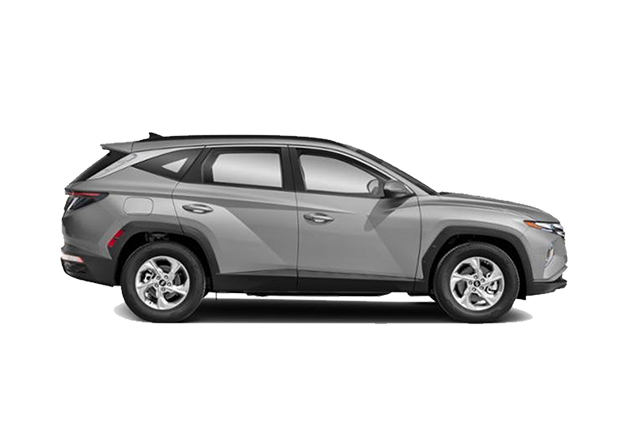
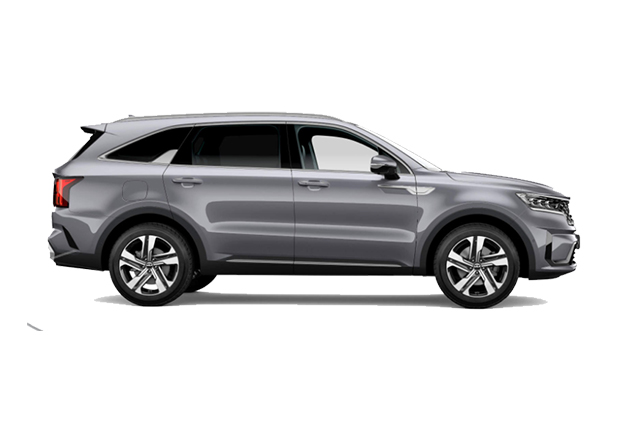
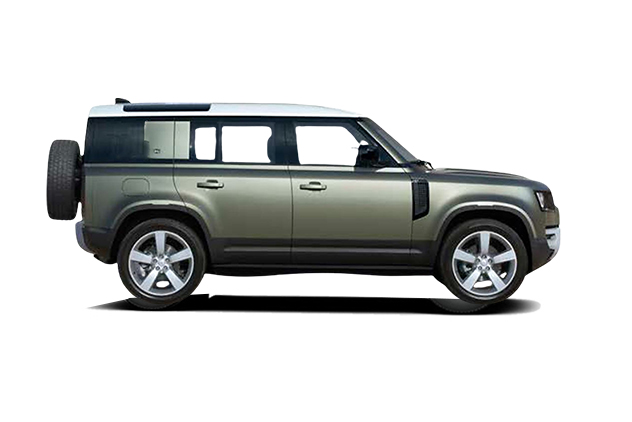
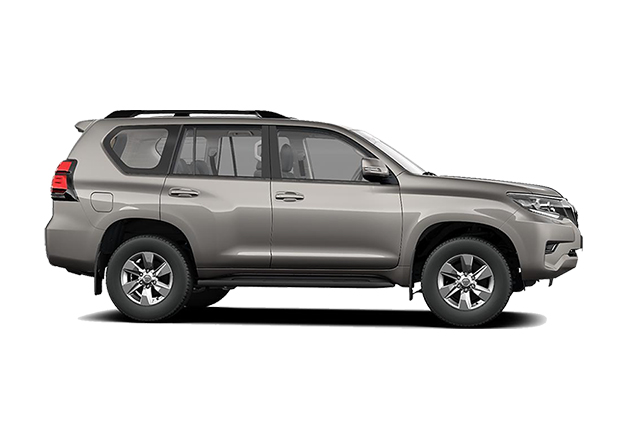
Choosing the correct vehicle ensures a safe, comfortable, and successful road trip through the rugged eastern landscapes. While a compact car can handle the paved Ring Road during calm summer days, we always recommend a larger vehicle for regional exploration. A mid-sized or large SUV offers the extra space you need for bulky hiking gear, warm layers, and luggage. Compare our fleet recommendations for East Iceland below:
| Vehicle Category | Passenger & Luggage Space | Road Suitability | Key Features & Recommended Use |
| Compact 4×4 SUV | Up to 4 passengers | 2-3 bags | Paved Route 931 & gravel patches | Excellent fuel efficiency, stable AWD for couples or solo hikers |
| Mid-Size / Large 4×4 SUV | 5-7 passengers | 4-5 bags | All East Iceland main & gravel routes | Generous legroom, spacious trunk for hiking boots, high ground clearance |
| Premium 4WD (Winter) | 5 passengers | 4 bags | Snow-covered passes & icy highways | Studded winter tires, advanced traction control against crosswinds |
Furthermore, driving an all-wheel-drive vehicle gives you peace of mind when encountering unexpected gravel detours or navigating steep mountain passes. Consider your group size, travel season, and planned routes before selecting your vehicle from our fleet. We recommend booking your car in advance to ensure availability during the busy season. We strongly advise adding Gravel Protection (GP) and Sand and Ash Protection (SAAP) to your insurance policy to cover loose gravel debris on East Iceland roads. Renting with Hertz guarantees that you receive a high-quality, fully serviced vehicle backed by 24/7 nationwide support across the island.
Summer 2WD driving vs winter 4×4 safety
Driving conditions in East Iceland vary dramatically depending on the season you choose to visit. During the summer, dry pavement and long daylight hours make driving relatively easy, allowing smaller 2WD cars to navigate the main highways. However, even in summer, strong winds and gravel patches can challenge inexperienced drivers. Always hold car doors firmly with both hands when opening them at exposed viewpoints, as strong wind gusts can cause severe damage to door hinges.
When winter arrives, thick ice, packed snow, and deep drifts cover the regional roads. During these colder months, we recommend a 4×4 vehicle for your safety, as municipal snowplows cannot always keep the mountain passes clear. Winter driving requires specialized studded winter tires, slow speeds, and constant monitoring of local weather alerts.
What you need to know about visiting Hengifoss waterfall
How far is Hengifoss waterfall from Egilsstaðir?
The Hengifoss waterfall sits approximately 35 kilometers southwest of Egilsstaðir town. The drive takes about 35 to 40 minutes along Route 931, which runs along the scenic shores of Lake Lagarfljót. The local authorities fully paved the roads, making them easy to navigate during the summer months.
How long does the hike to Hengifoss take?
The round-trip walk takes between two and two and a half hours to complete. This time frame allows you to hike the 5-kilometer trail at a comfortable pace, take photographs at Litlanesfoss, and enjoy the views of the main Hengifoss waterfall.
Is the road to Hengifoss waterfall paved?
Yes, the roads connecting Egilsstaðir to the parking lot are paved. However, some sections of Route 931 contain brief gravel patches near the bridges, which require you to slow down to prevent paint damage from flying stones.
Do I need a 4×4 rental car to visit Hengifoss?
While you can reach the parking lot in a 2WD car during the summer, we highly recommend a 4×4 vehicle for exploring East Iceland. A 4×4 SUV provides better handling on gravel roads, stability in strong winds, and the safety you need for regional travel.
Can you visit Hengifoss waterfall in the winter?
Yes, you can visit the waterfall in winter, but the hike becomes significantly more difficult due to heavy snow and thick ice. You must wear professional crampons, dress in thermal layers, and drive a sturdy 4×4 vehicle equipped with studded winter tires to reach the trailhead safely.
📚 Related Readings & East Iceland Guides
Planning your journey through the Eastfjords? Explore our essential regional destination guides and driving itineraries: